Portuguese
  Spanish


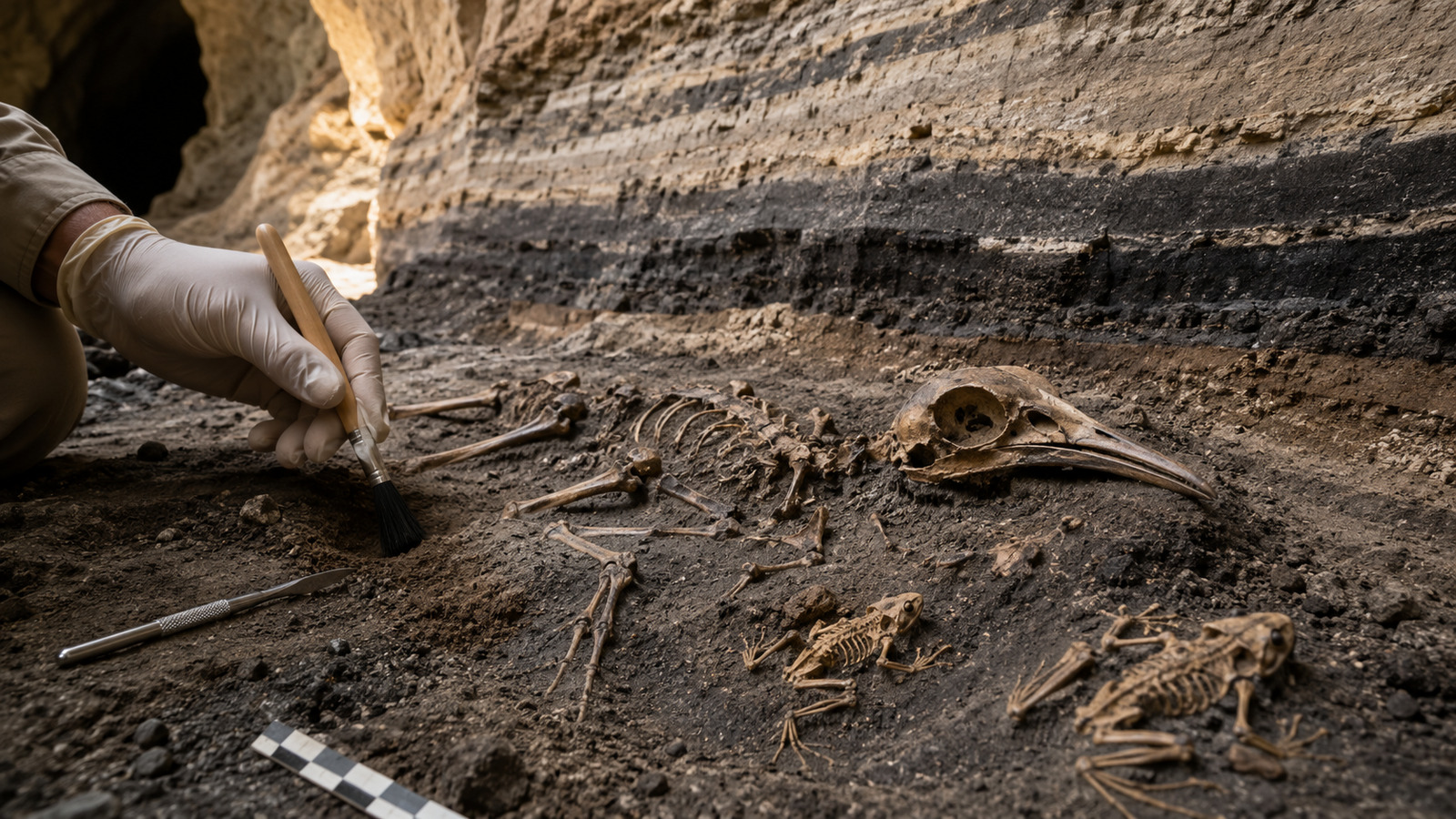


Fossils of birds and frogs found on the North Island show that climate changes and volcanic events were already reshaping the local fauna long before human arrival in New Zealand
Fossils found in a cave on New Zealand’s North Island revealed an ecosystem over 1 million years old, with birds and frogs preserved among volcanic ashes. The discovery shows that significant changes in fauna were already occurring long before human arrival in the country.
Fossils in New Zealand fill an ancient biodiversity gap
The discovery described in the journal Alcheringa: An Australasian Journal of Palaeontology presents the first direct evidence of an early Pleistocene animal community on the North Island.
The set was found in cave deposits preserved between layers of volcanic ash.
-
How Much Does Starlink Satellite Internet Cost for Cars, Trucks, and RVs? Prices for Antenna, Accessories, and Plans

-
Scientists Convert Food Waste into Aviation Fuel, Successfully Test 50% Blend with Conventional Kerosene to Cut Emissions and Promote Sustainable Flights
-
OnePlus N6 Smartphone to Launch in India with 8,000mAh Battery and 45W SuperVOOC Charging, Lasting Up to Three Days
-
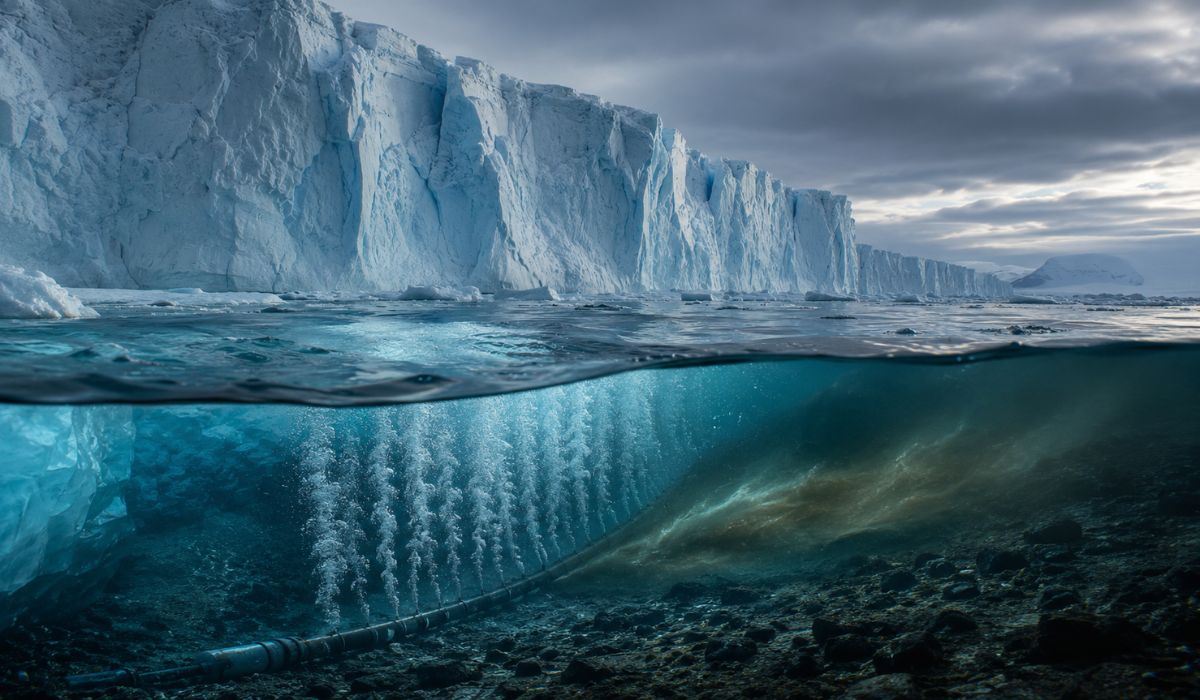
Scientists Plan to Release Air Bubbles Underwater to Protect Antarctica’s “Doomsday Glacier” from Melting




Researchers identified fossils of 12 bird species and four frog species. Some of these birds had not yet been recognized by science, which expands knowledge about the fauna that inhabited the ancient New Zealand forests.
For a long time, extinctions in New Zealand were mainly discussed from the perspective of human settlement, which occurred about 750 years ago.
The new material shows that profound changes were already underway long before this period.

Volcanic ashes preserved a forest over 1 million years old
The cave sediments were sealed between two layers of volcanic ash, formed in different eruptions.
The lower layer was dated to about 1.55 million years, while the upper one is approximately 1 million years old.
This interval preserved a rare record of animal life in a little-documented phase of New Zealand’s natural history.
The collection shows an ancestral forest with species different from those associated with current ecosystems.
Trevor Worthy, from Flinders University and leader of the study, stated in a Canterbury Museum press release that the discovery documents an avifauna that no longer existed when humans arrived in New Zealand.

Natural extinctions were already reshaping the North Island
The study indicates that about 33% to 50% of the North Island’s species disappeared during the million years prior to human settlement in the region. The estimate was made from the fossil evidence recovered.
According to Paul Scofield, co-author of the study and senior curator of Natural History at Canterbury Museum, climate changes and major volcanic events likely played a central role in this decline.
Worthy stated that the results challenge the view that the extinction of New Zealand’s birds should be seen only through the lens of human arrival.
Natural forces, such as supervolcanoes and drastic climate changes, had already been shaping the local fauna for over 1 million years.
Ancestral parrot and other species show still incomplete history
Among the findings, scientists highlighted Strigops insulaborealis, a new parrot species related to the modern Kākāpō. The team suggested that this ancestral relative might have retained the ability to fly.
The hypothesis comes from anatomical differences, such as weaker legs compared to the current Kākāpō, known for not flying and its climbing ability. Researchers emphasized that further studies are still needed.
The cave also preserved fossils linked to an ancestor of the modern Takahe and remains of an extinct pigeon, close to the Australian bronze-winged pigeons.
Previous excavations had already found evidence of life in New Zealand dating from 20 to 16 million years ago.
The new discovery helps fill the period between 15 million and 1 million years ago, an important gap in the country’s ancient history.
This article was prepared based on information from the journal Alcheringa: An Australasian Journal of Palaeontology and Canterbury Museum, with data, numbers, and statements preserved as per the consulted material.