






 Portuguese
  Spanish
  3 min of reading
  0 comments


Brazilian Scientists Turn CO₂ Into E-Methanol, Green Gasoline, And Green Diesel, With Potential To Fuel Ships, Cars, And Trucks.
Carbon dioxide (CO₂), a climate villain and the main greenhouse gas, could become a strategic ally in Brazil’s energy transition. Brazilian scientists and national companies are developing technologies capable of capturing this gas — from industrial processes or directly from the atmosphere — and converting it into renewable fuels such as e-methanol, gasoline, and green diesel – renewable fuel.
This advancement places Brazil on the path of nations capable of supplying hard-to-electrify sectors, such as heavy road and maritime transport, with clean and sustainable alternatives.
E-Methanol: Innovation Born at USP With Potential for the Maritime Sector – Renewable Fuel
At the Institute of Chemistry at the University of São Paulo (IQ-USP), a project conducted under the Research Center for Innovation in Greenhouse Gases (RCGI), a partnership between FAPESP and Shell, seeks to produce e-methanol from CO₂ captured at ethanol plants.
-
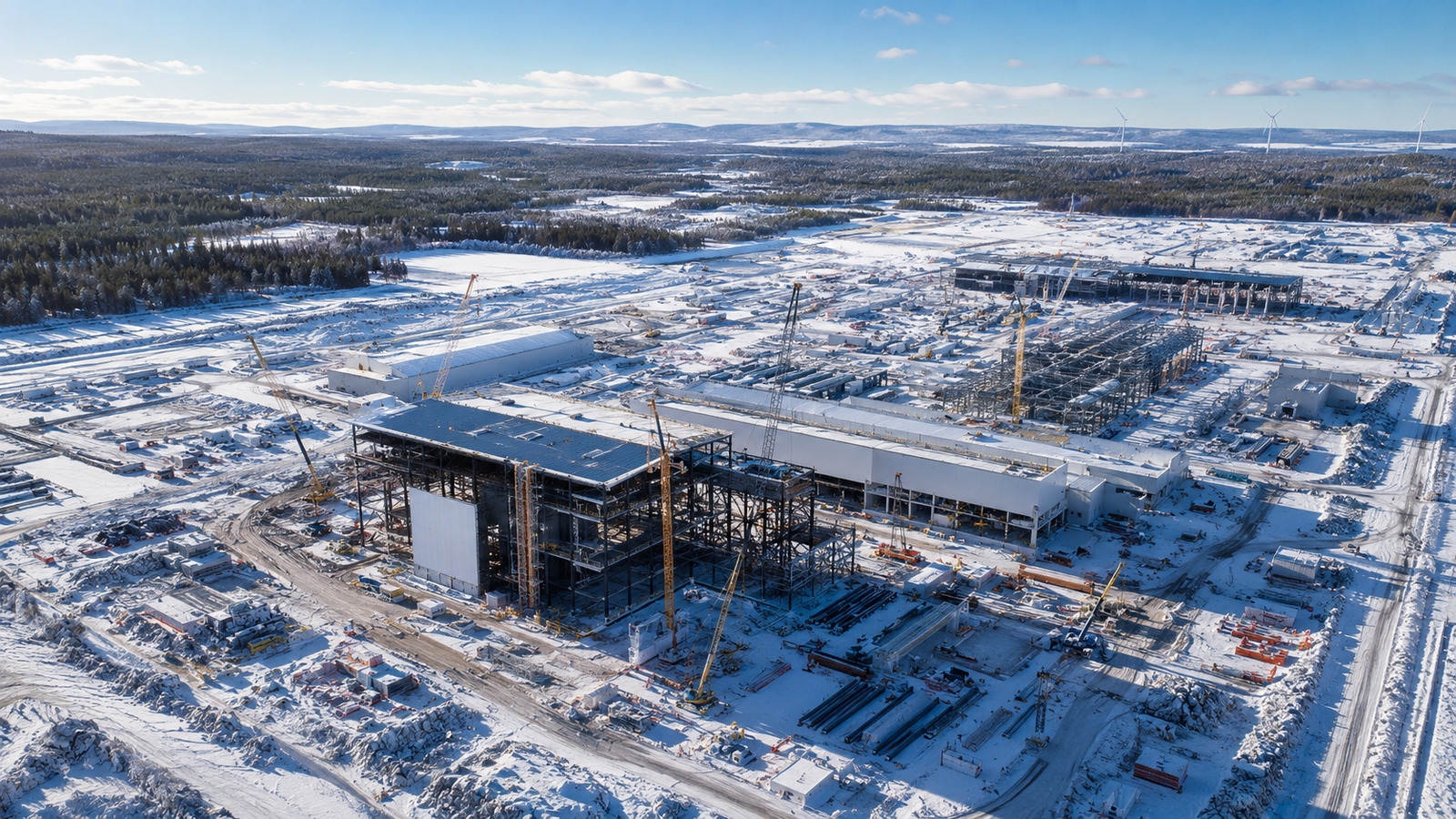
US$ 7 billion, green hydrogen, and steel with up to 95% less CO₂: the first green steel plant on the planet emerges in Sweden and targets Brazil as the next chapter

-
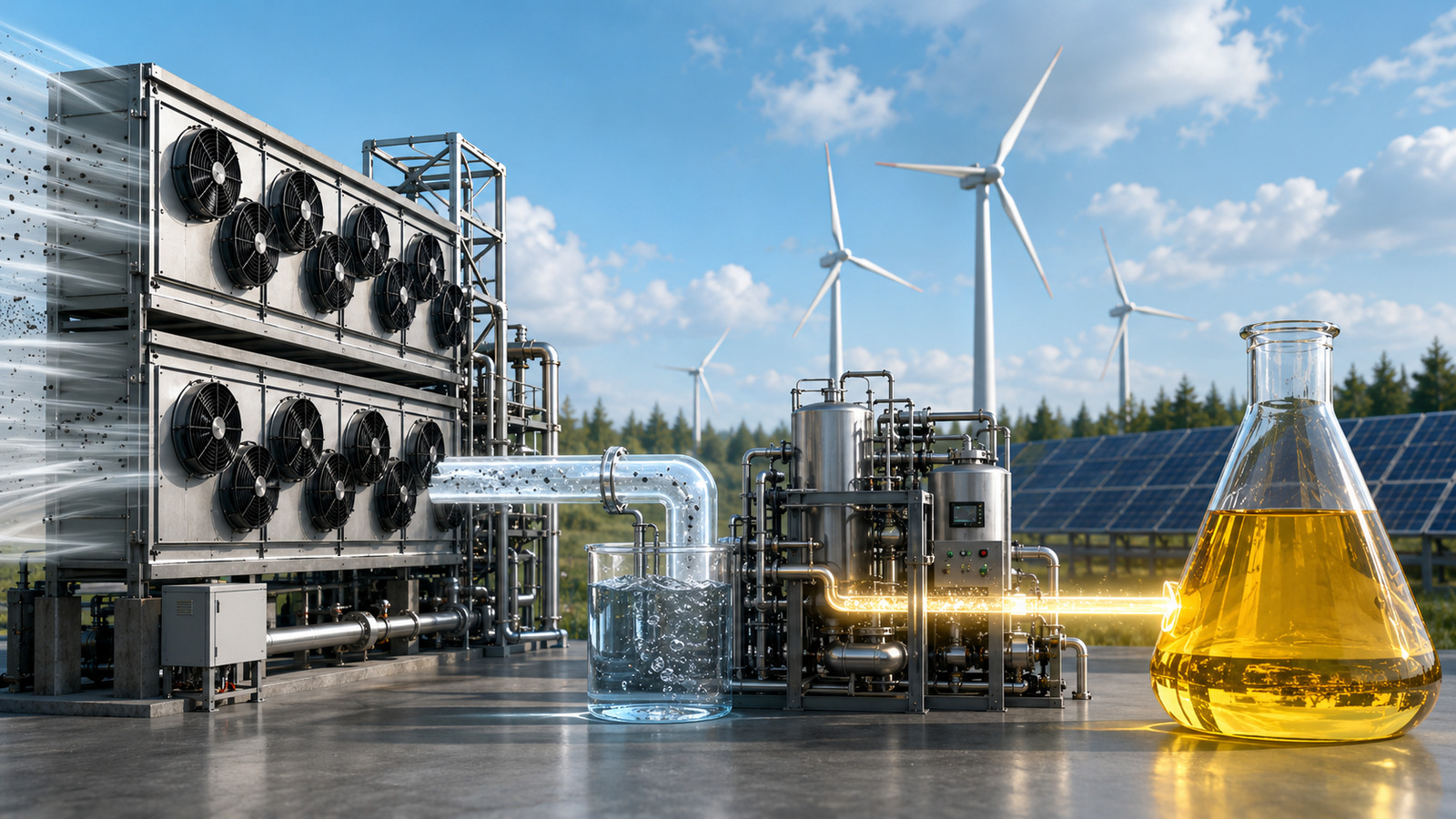
Swedes manage to create synthetic fuel with CO₂, water, and renewable energy, compatible with current engines, but face a huge problem: the energy expenditure is still double the return.
-
Brazil begins to transform wheat, residues, sweet potatoes, and soy molasses into ethanol, in a new phase of biofuels that seeks to utilize leftovers from the field and industry to fuel flex-fuel cars.

-
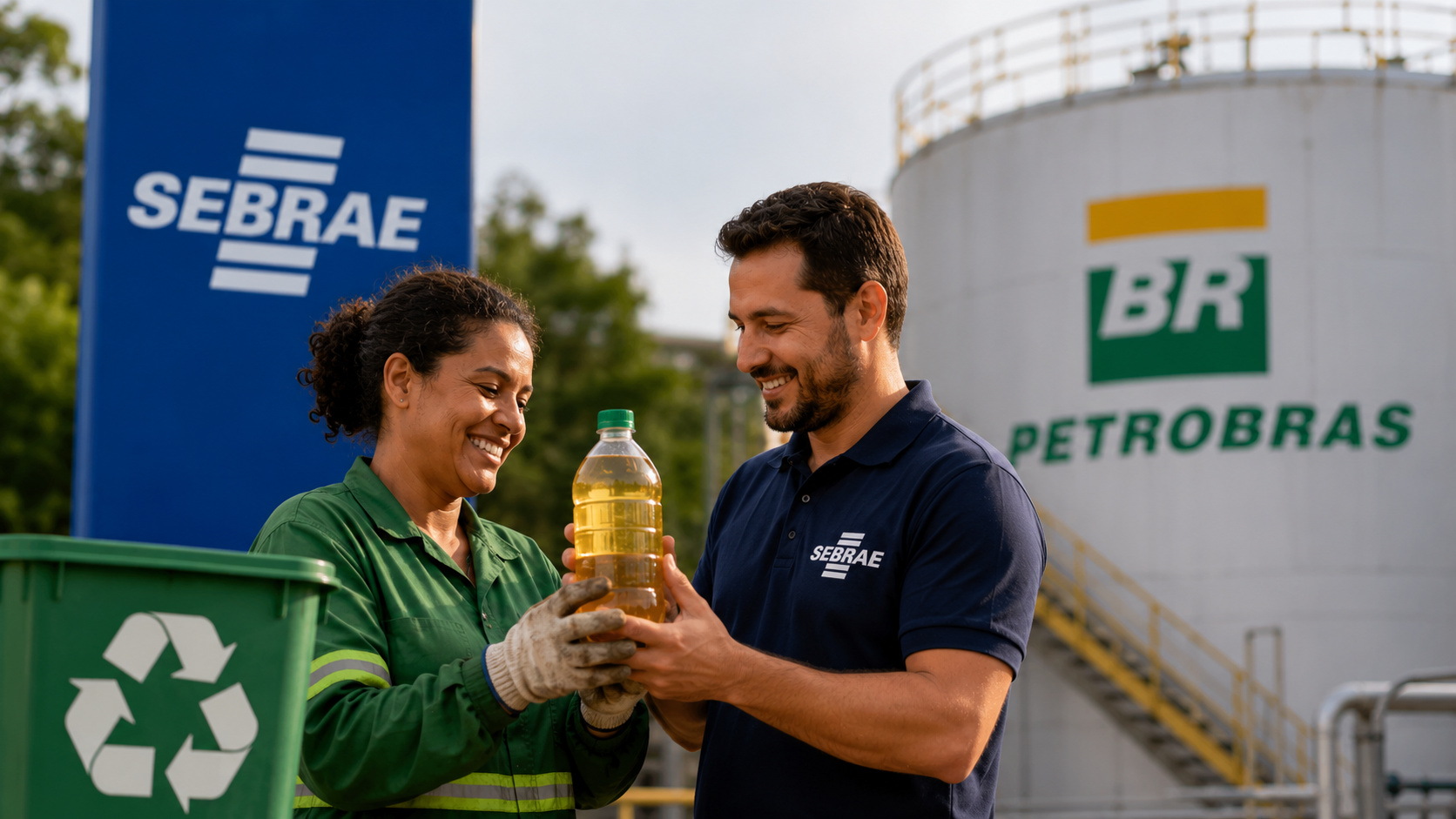
Sebrae and Petrobras join forces in Ceará to include waste pickers in the circular economy and strengthen the biofuel chain, creating new income opportunities and expanding the sustainable use of waste with a direct impact on regional development.

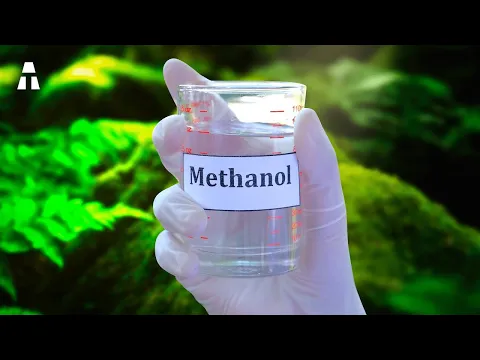

Chemical Engineer Pedro Vidinha, co-founder of the startup Carbonic, explains that Brazil has unique conditions for this production: a high volume of pure CO₂ generated from sugarcane fermentation, electricity from the burning of bagasse, and steam to feed the chemical process.
With a patented catalyst based on titanium and rhenium oxides, the group succeeded in converting 18% of CO₂ into products, with 98% selectivity for methanol.
Brazilian scientists expect to build a renewable fuel pilot plant at the University City by 2026, capable of generating up to three liters per day of e-methanol. If validated, the technology could migrate to industrial scale at sugar-alcohol plants, with projected annual production exceeding 100 thousand tons.
Renewable Gasoline and Diesel: CO2CHEM Project Expands Possibilities
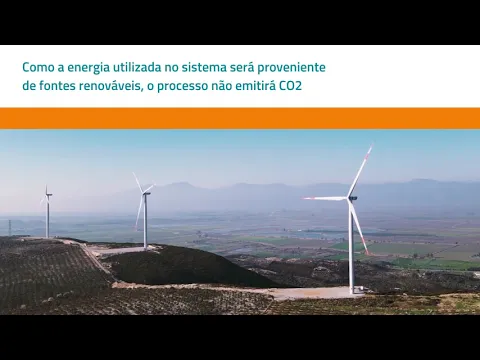
Meanwhile, Repsol Sinopec Brazil, in partnership with Hytron, Senai-CETIQT, and USP, is developing the CO2CHEM project, which transforms CO₂ and hydrogen into renewable gasoline and diesel.
The pilot unit, inaugurated in March at Hytron’s headquarters in Campinas, can produce up to 20 liters per day, consuming 1 ton of CO₂. Engineer Cassiane Nunes of Repsol Sinopec highlights that the system can operate with CO₂ from any source and be powered by renewable energy, ensuring a closed carbon cycle.
The project also explores direct CO₂ capture from the air (Direct Air Capture – DAC), a pioneering technology in Brazil implemented with the Institute of Oil and Natural Resources at PUCRS, capable of removing carbon from the atmosphere for use in the production process.
International Reference and Competitiveness Challenges
Globally, the production of e-methanol is already a reality. Since May, the city of Kasso in Denmark is home to the first commercial plant, with a capacity of 42 million tons per year, operated by European Energy and Mitsui. Maersk, a giant in maritime transport, is the main client and uses the fuel in ships that emit up to 65% less greenhouse gases than those powered by fossil oil.
In Brazil, in addition to the projects from USP and Repsol Sinopec, Petrobras, Braskem, and HIF Global have announced plans for e-methanol units, still in the initial phase. The main challenge, according to Vidinha, is to make the fuel competitive: while fossil bunker costs about US$ 300 per ton, e-methanol costs around US$ 1,300, a price that tends to drop with scaling.
Strategic Impact for Decarbonization
The development of these technologies is crucial for sectors that cannot rely solely on electrification, such as ships, long-haul trucks, and airplanes. Besides reducing emissions, using CO₂ as a raw material helps create a circular carbon economy, turning an environmental liability into a high-value input.
International regulation, such as the International Maritime Organization’s targets to achieve net-zero emissions by 2050, is expected to accelerate demand and open space for Brazil to become an exporter of advanced renewable fuels.
And you, do you believe Brazil will be able to position itself as a global leader in the production of renewable fuels from CO₂ in the coming years?







Be the first to react!