Portuguese
  Spanish


Scientists In China Are Studying A New Technique That Could Change The Military And Space Sector. Understand How Chinese Scientists Can Create Almost Undetectable Missiles With Helium.
Chinese scientists are applying an innovative technology that uses helium to make missiles practically undetectable and highly efficient. This discovery could revolutionize the future of military defense and space exploration. By reducing the thermal signature and optimizing propulsion, helium stands out as an essential strategic resource, enhancing the performance of solid propellant engines.
The study, published in the journal Acta Aeronautica et Astronautica Sinica, details that the controlled injection of helium into rocket engines improves thrust by 5.77%, triples the thrust, and reduces the exhaust gas temperature to 1,327 °C. This approach makes detection by infrared sensors more difficult and allows for dynamic speed adjustments, making the missiles almost impossible to intercept.
This technology has significant implications for both the military sector and space exploration, potentially leading to the development of a new generation of stealth missiles and optimizing space launches.
-
Meteor Showers and Full Moon Create Rare Celestial Display Over Brazil in Late July

-
Metal Detector Enthusiasts Uncover Largest Viking Coin Hoard in Norwegian History with 2,970 Silver Pieces Near Rena

-
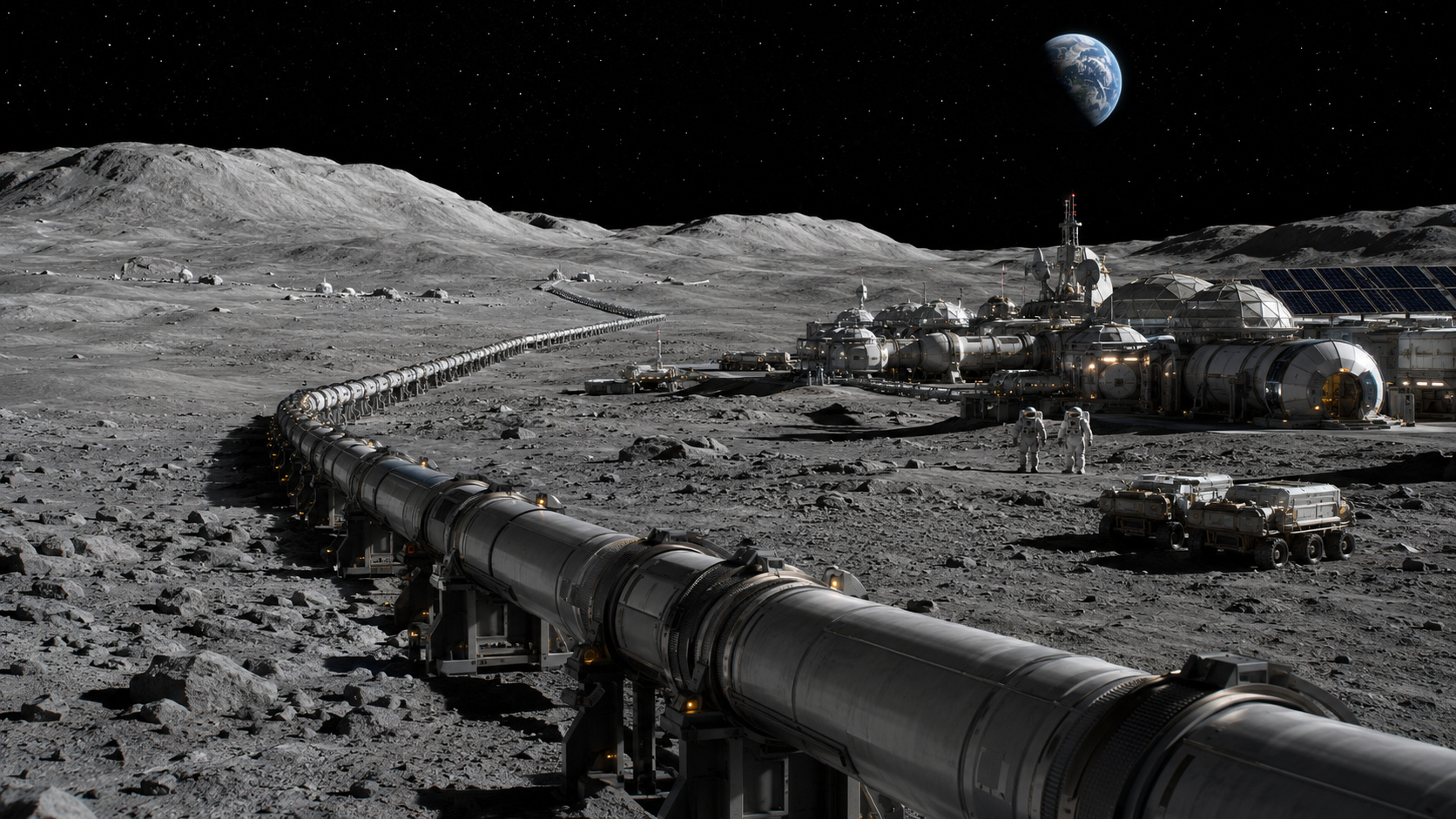
5 km Lunar Pipeline Could Supply Oxygen to Astronaut Bases, Replace Transport Robots, and Become First Major Infrastructure Project Beyond Earth
-
U.S. Attempted to Tame Hurricanes with Silver Iodide and Aircraft for Nearly 20 Years



The Discovery By Scientists In China
The studies conducted by Chinese scientists, published in the Acta Aeronautica et Astronautica Sinica, show that missiles with helium have a 5.77% improved thrust, tripled thrust, and reduced exhaust gas temperature to 1,327 °C.
This approach by Chinese scientists not only makes detection by infrared sensors more difficult but also allows for dynamic speed adjustments, making missiles with helium almost impossible to intercept.
While NASA faces challenges with gas leaks in the Staliner spacecraft, Chinese scientists have discovered a unique application of this gas in missiles. The new Asian technology promises to revolutionize the military sector by making projectiles virtually undetectable and hard to intercept.
Helium is traditionally used to pressurize rocket fuel systems; however, its application has been limited due to associated technical difficulties. Nevertheless, the team of Chinese scientists has managed to harness its properties to enhance solid propellant engines, bringing significant advancements in propulsion and stealth.
The study reveals that undetectable missiles with helium allow for a reduction in the thermal signature of the weapons, making them harder to detect by infrared sensors.
Understand How Missiles Can Become ‘Undetectable’ With Helium
The innovation is based on the injection of helium through 2 mm microscopic pores in rocket engines. This inert gas combines with the combustion gases in an ideal ratio of 1 part helium to 4 parts fuel, enhancing burning stability without causing instabilities.
The results from the simulations conducted by Chinese scientists demonstrate a 5.77% increase in specific impulse and a tripling of thrust. Furthermore, another unique feature of this new technology is its dynamic adjustment capability.
Missiles with helium can change their thrust in real time, varying from 100% to 313% of their initial capacity. This allows for sharp changes in speed and trajectory, making them extremely difficult targets to intercept.
The applications of this discovery by Chinese scientists extend far beyond the military sector. In defense, the ability to mitigate the thermal signature could lead to a new generation of stealth missiles, challenging current anti-missile defense systems. These advancements expand the operational efficiency of modern armaments, making them harder to detect by radar and infrared sensors.
‘Undetectable’ Missiles With Helium Will Also Work In The Space Sector
In the space sector, this technology from Chinese scientists can reduce launch costs by optimizing solid propellant rockets. Consequently, sending satellites and lunar missions would become more efficient and cost-effective. China plans to integrate this technology into its rockets for missions scheduled by 2035, making space exploration more accessible and confident.
The revolution brought about by helium opens new perspectives for both space exploration and military strategy. With this unique approach, helium shifts from being a simple pressurizing agent to a fundamental element in the evolution of China’s defense and aerospace technology.