Portuguese
  Spanish


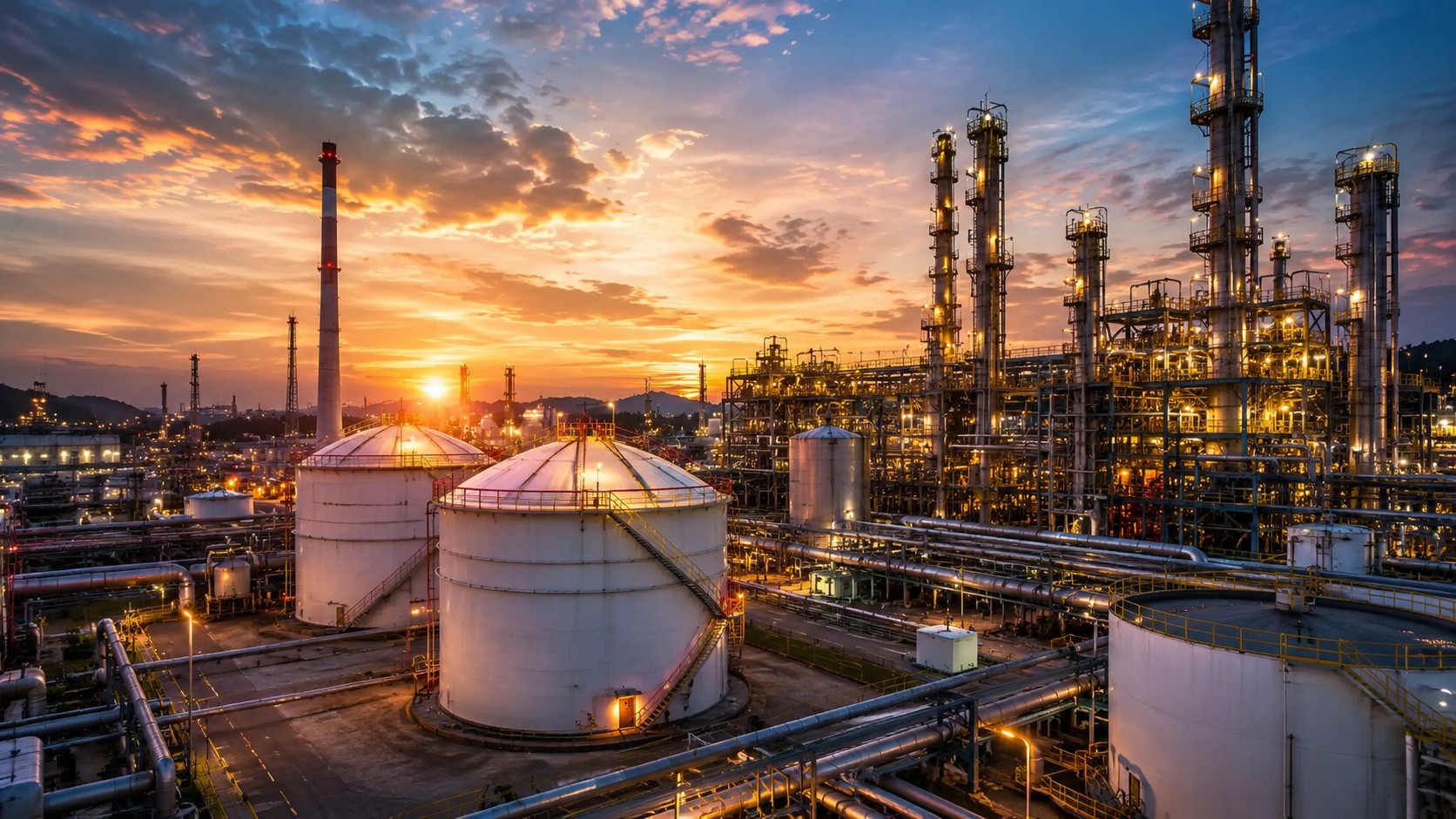

On June 28, 2026, the Amuay refinery, considered the largest refinery in Venezuela, halted its operations after a power supply failure. The episode reinforced the difficulties faced by the Venezuelan energy infrastructure and rekindled discussions about the impacts that operational interruptions can cause on fuel production and the oil market.
According to a report published by CNN Brasil, refinery workers reported that the electricity supply interruption forced the unit’s activities to stop. Furthermore, the problem occurred a few days after earthquakes affected different regions of Venezuela and compromised part of the national electrical infrastructure.
Although the situation is related to a recent event, the episode also highlights structural challenges that have accompanied the Venezuelan oil sector for several years.
The importance of the Venezuelan refinery for fuel production
The Amuay refinery is part of the Paraguaná Refining Center (CRP), a complex managed by the state-owned Petróleos de Venezuela S.A. (PDVSA).
-
São Paulo LNG Terminal Approved to Connect to Pipeline Network, Sparking Debate Over Larger Alternative Through Serra Route

-
Petrobras Explores Entry into Corn Ethanol Market, Aiming to Become a Biofuel Giant
-
Brazil’s $8.5 Billion Auction Secures New Power Plants to Prevent Peak Hour Energy Shortages
-
Why Gasoline Prices Remain Stable: How Petrobras’ Subsidies and Pricing Policies Control Fuel Costs in Brazil


According to historical records from the complex itself, Amuay has an installed capacity to process approximately 645,000 barrels of oil per day, while the entire Paraguaná Refining Center can exceed 900,000 barrels daily, making it one of the largest refining complexes in the world.
In addition to supplying part of the Venezuelan domestic market, the refinery plays a strategic role in the production chain of petroleum derivatives.
Therefore, any operational interruption usually generates concern among specialists and investors in the energy sector.
What caused the shutdown
According to information released by CNN Brasil, a failure in the power supply system interrupted the refinery’s activities on Sunday.
At the same time, workers reported difficulties related to the water supply used in industrial facilities in the Falcón region, where the complex is located.
Additionally, other industrial units also reported instability after the earthquakes that hit the country.
In this context, experts assess that the combination of damage to the electrical infrastructure and operational limitations hindered the continuity of industrial activities.
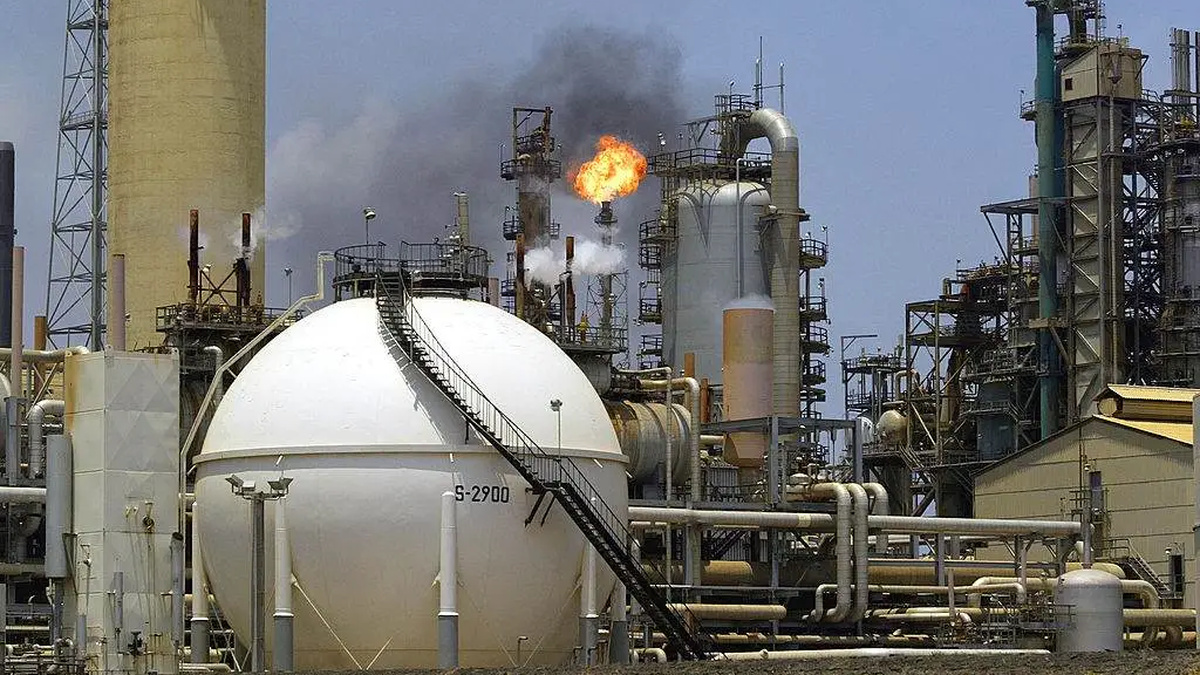
The earthquakes worsened the energy challenges
In recent days, Venezuela faced strong earthquakes that caused hundreds of structural damages in different regions.
According to Venezuelan authorities, technical teams are working to gradually restore power supply in the affected areas. However, some transmission lines still require more complex repairs.
Meanwhile, strategic sectors of the economy continue to operate with restrictions.
The Amuay refinery has become one of the main facilities impacted by this scenario.
The Venezuelan energy infrastructure has faced difficulties for years
Although the earthquakes contributed to the disruption of operations, experts highlight that the Venezuelan energy system was already facing significant challenges before this episode.
In recent years, frequent power outages have affected homes, businesses, hospitals, and industrial facilities in different states of the country.
According to a report by BBC News Mundo, reproduced by the newspaper O Povo, approximately 90% of the Venezuelan population regularly experiences interruptions in power supply, a situation that compromises various sectors of the economy.
Furthermore, limitations in the maintenance of electrical infrastructure and investment difficulties have contributed to expanding this scenario.
What is the importance of oil for Venezuela
Oil represents one of the main pillars of the Venezuelan economy.
For decades, exploration and refining have driven a large part of the country’s revenue and supported public investments.
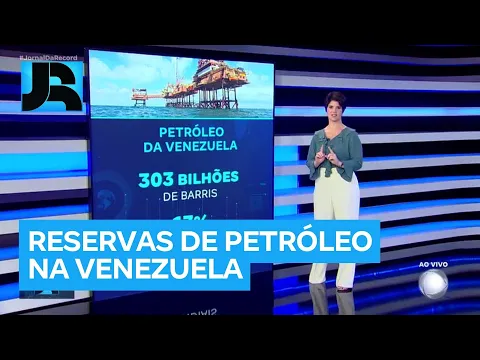
Additionally, Venezuela has one of the largest proven oil reserves in the world, a factor that keeps the energy sector strategic for its economic development.
According to information from the Organization of the Petroleum Exporting Countries (OPEC), the country remains among the largest holders of global crude oil reserves, although its production has significantly decreased in recent years.
For this reason, keeping refineries operational has become a priority to ensure domestic supply and preserve part of the national production capacity.
How an oil refinery works
An oil refinery transforms crude oil into various derivatives used daily by society.
Among the main products obtained during the process are gasoline, diesel, aviation kerosene, liquefied petroleum gas (LPG), lubricants, and raw materials for the petrochemical industry.
To carry out these operations, the unit relies on continuous systems of electric power, water supply, high-complexity equipment, and strict safety protocols.
Consequently, prolonged interruptions in power supply may force a total or partial shutdown of activities.

What impacts a shutdown can cause
When a refinery reduces or halts its production, different effects may arise.
Firstly, it decreases the supply of fuels intended for the domestic market.
Additionally, operational delays can affect logistics chains, distribution of derivatives, and export planning.
In the Venezuelan case, experts also monitor possible impacts on other refineries managed by PDVSA, especially during times of greater energy instability.
However, the intensity of these impacts depends on the time required to fully restore operations.
The role of PDVSA in the oil industry
Petróleos de Venezuela S.A. (PDVSA) manages a large part of the country’s oil chain.
The company operates in the exploration, production, refining, and marketing of oil and derivatives.
Additionally, the state-owned company is responsible for operating the main industrial complexes linked to the Venezuelan energy sector.
Over the past decades, the company has played a fundamental role in the country’s economic development, although it has also faced challenges related to equipment maintenance, investments, and operational capacity.
The international market follows these events
Whenever large refineries halt their activities, investors and analysts closely monitor the situation.
Although a single shutdown does not always cause immediate changes in international oil prices, events involving major producers tend to increase market attention.
Additionally, factors such as geopolitical conflicts, natural phenomena, and infrastructure issues can influence expectations related to global supply.
In this scenario, information about refineries located in oil-producing countries tends to receive extensive coverage from the specialized press.
What to expect in the coming days
According to information released by authorities and industry workers, technical teams continue to assess the conditions necessary to fully restore the refinery’s operations.
At the same time, the Venezuelan government continues to take actions to recover part of the electrical infrastructure affected by the earthquakes.
If the power supply is stabilized, the trend is for the refinery to gradually resume its operational capacity.
Even so, experts emphasize that continuous investments in infrastructure remain essential to reduce similar risks in the future.
The Venezuelan refinery remains strategic for the energy sector
The temporary shutdown of the Venezuelan refinery demonstrates how electrical infrastructure, industrial production, and fuel supply are directly connected.
Furthermore, the episode shows that natural events can amplify existing challenges in complex energy systems.
While authorities work to fully restore operations, the case reinforces the importance of maintaining electrical grids, modernizing industrial facilities, and strategic planning to ensure greater security for the oil sector.
More than an isolated event, the interruption of activities in Amuay illustrates how infrastructure, energy, and oil continue to play a central role in the Venezuelan economy and the international energy market.