





 Portuguese
  English
  Spanish
  3 min of reading


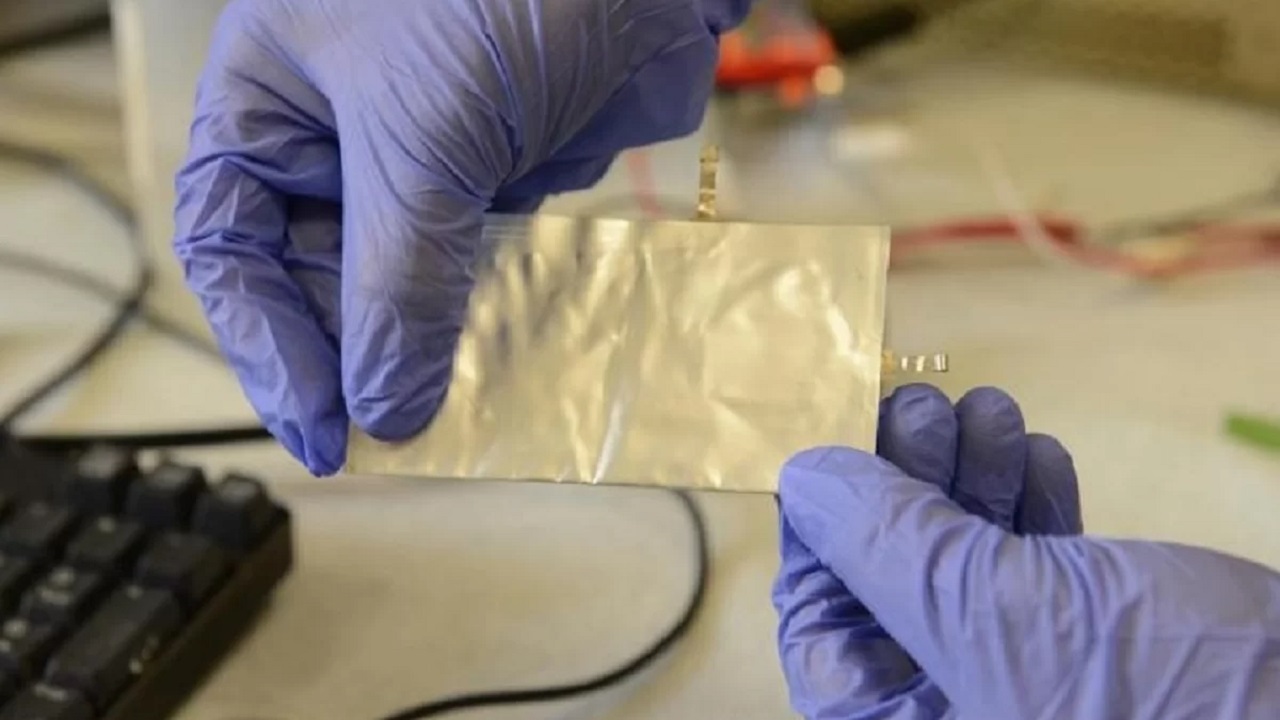
Scientists From Canada, China and the US Are Developing a Cheaper Aluminum-Sulfur Battery Capable of Delivering Great Performance. Prototype of the Component Already Supports Hundreds of Cycles.
Flow or liquid batteries can solve major problems with the intermittency of renewable energies, such as wind and solar power, by storing electricity in chemical compounds, reversing the process at night or when the winds are weak. The challenge now is to find chemical compounds that can make this possible in a way that meets technical and economic viability requirements. With this goal, a team of international scientists from Canada, China, and the US decided to reverse the traditional method of conducting research on new components, resulting in a aluminum-sulfur battery.
Scientists From Canada, China and the US Use Low-Cost Materials
Instead of researching the most efficient compounds for energy storage and then trying to make the costs cheaper, Quanquan Pang and his colleagues picked the cheapest elements and began to observe what could be done with them. The team of scientists started by studying the periodic table, searching for cheap metals that are abundant on Earth that could replace the rare and expensive lithium.
The dominant metal in the market, iron, does not have the ideal electrochemical properties to produce an efficient battery, but aluminum, the second most abundant metal, has these properties. In fact, aluminum is the most abundant metal on Earth in terms of planetary composition.
-
What seemed impossible has been confirmed by researchers from Germany: fish sleep in ways very different from humans and use mechanisms developed over millions of years to conserve energy and increase their chances of survival.

-
Yeast used in bread, beer, and pizza becomes biomaterial for architecture and surprises by forming lightweight pieces, molded in 3D printers and dried without high energy consumption heating.

-
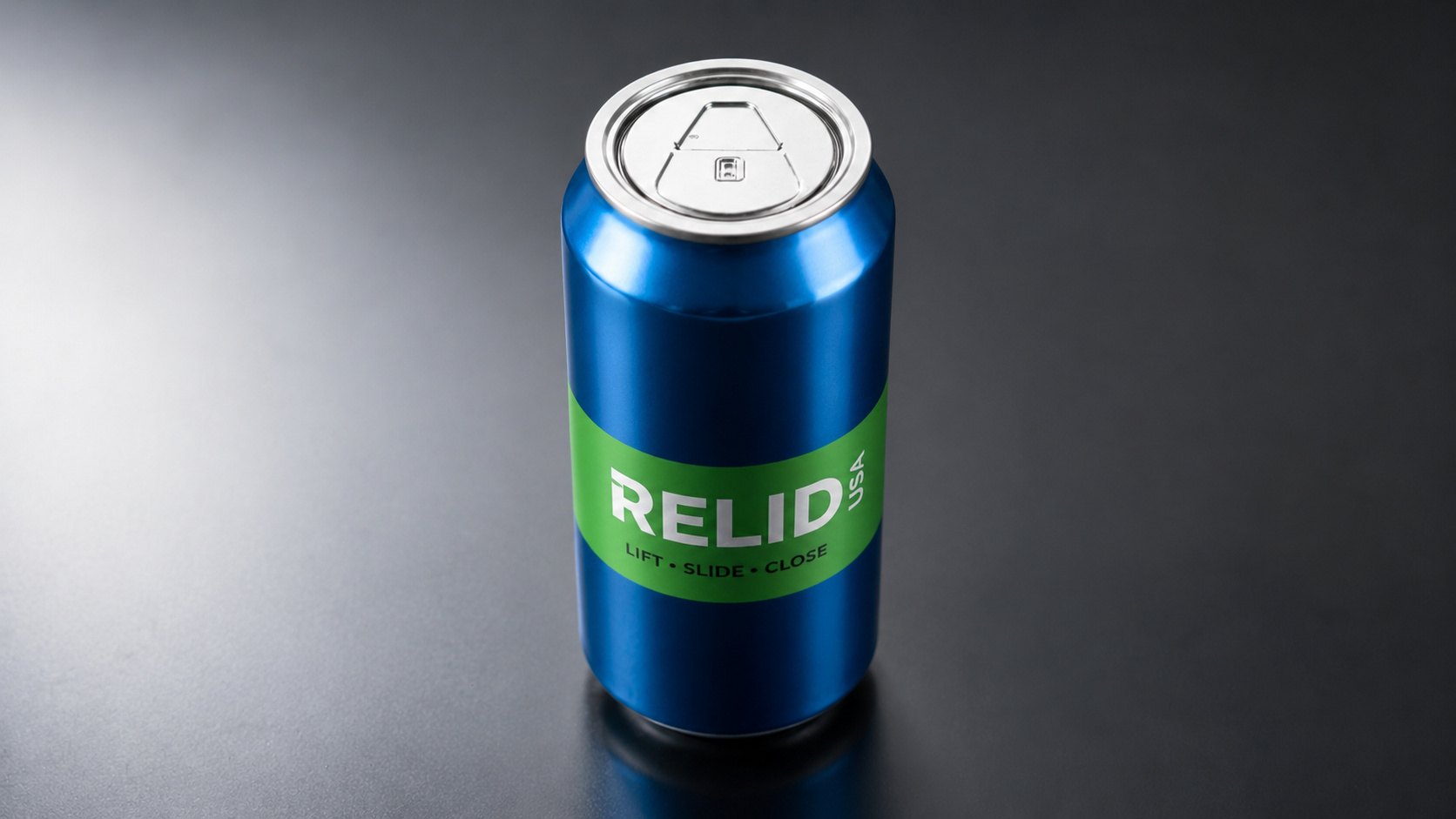
A simple yet impactful innovation can change the global beverage sector: the aluminum can from ReLid USA that opens and closes bets on the circular economy, reduces waste, and offers a sustainable alternative to conventional plastic packaging.
-
Surprising the global technology market, SpaceX closes a $30 billion deal with Google in June 2026 and strengthens the race for advanced digital infrastructure, expanding the integration between space connectivity, artificial intelligence, and strategic services.


The cheapest of all non-metals is sulfur, making it the preferred material for the second electrode. Thus, the team had to decide what to place as the electrolyte in the aluminum-sulfur battery, the material to put between the two electrodes to transport ions back and forth during the charging and discharging of the battery.
Aluminum-Sulfur Battery
The team of scientists from the US, Canada, and China tested some polymers, however, they ended up refocusing on a variety of molten salts, which have relatively low melting points, close to the boiling point of water, as opposed to over 500 °C for many salts.
A lower temperature reduces costs, as it eliminates the need for special thermal insulation and anticorrosive measures. The scientists found that their battery performs even better technically than they expected.
The first prototypes supported hundreds of charge and discharge cycles and achieved a surprisingly high recharging speed, reaching maximum charge in less than a minute; the charging rate is highly dependent on the working temperature, with charging at 110 °C being up to 25 times faster than at 25º C. This charging speed became possible due to an unexpected advantage provided by the molten salt that the scientists chose as the electrolyte.
Aluminum-Sulfur Battery Does Not Require External Heat Source
One of the biggest problems with the reliability of such a component is the formation of dendrites, which are thin metal spikes that accumulate on the electrode, eventually expanding to make contact with another electrode, causing a short circuit.
However, this particular salt, due to its low melting point, is good at preventing malfunction. The aluminum-sulfur battery of the scientists from Canada, China, and the US does not require any external heat source to maintain its temperature. The heat is naturally produced electrochemically by the charging and discharging of the battery.


Be the first to react!