Portuguese
  Spanish



Scientists From MIT Study And Try To Patent The Discovery Of A New Fuel Made Only Of Aluminum And Water
Scientists from the Massachusetts Institute of Technology – MIT have developed a new type of sustainable fuel using aluminum. The discovery was made by the study’s author, Laureen Meroueh, a mechanical engineering student. With this new possibility already under study, the student believes that it is indeed possible to promote the idea of using a cheaper and more sustainable fuel, which could bring significant benefits to the environment. Even though hydrogen is not capable of generating carbon emissions, the production of gas still relies on fossil fuels, even during transportation from the factory to its final destination.
Read Also
- Device That Extracts Water From Air Using Solar Energy Was Created By Scientists From MIT
- New Solar Energy Technology Can Extract Water From Air Even In Dry Climates
- The Myth Of The Broken Petrobras: Myths And Truths From AEPET’s Perspective
- Harvard, Michigan, Stanford, And Other American Universities Offer Many Free Online Courses
- Petrobras Supports A Project In Rio de Janeiro Selected By The Massachusetts Institute of Technology (MIT)
- Ceará Will Receive The First Hydrogen Plant. A R$ 41.9 Million Project Will Start Operations In 2022
Scientists From MIT Claim That Aluminum-Based Fuel Is Promising
Aluminum was chosen precisely because of its capacity for hydrogen storage, which can store at a much higher density, about ten times greater, compared to the storage of compressed gas. Not to mention that aluminum reacts upon contact with water at room temperature, producing aluminum hydroxide and hydrogen.
The Impasses And Impacts Of The Study For The New Fuel
The reaction of aluminum with water at room temperature does occur, but not frequently or instantly. When reacting first with oxygen, a new layer of aluminum oxide initially forms.
ARTICLE CONTINUES BELOWSee also-
Key Infrastructure Projects for Brazil’s Next President: Expanding Railways to Cut Transport Costs, Reduce Truck Traffic, Create Jobs, and Boost Industries Nationwide

-
While China Builds Undersea Rail and Mexico Connects Two Oceans, Brazil Struggles with Grain Transport Due to Lack of Railways

-
Students Build Kansas’ First Hemp-Insulated Social House for a Needy Family: 85% Less Concrete, Solar Roof Returns Energy to Grid, Carbon Negative in Under 20 Years

-
China to Drill 90 Kilometers Under the Sea to Connect Two Cities Currently Linked Only by Ferry
This new layer that is generated prevents the aluminum from contacting water at room temperature. Due to this fact, scientists and other researchers considered it better to remove the outer layer of aluminum oxide formed. Then, a new test was conducted by the team: they submerged the metal again in water at room temperature. This prevented the entire layer from re-forming during the experiment.
But the problems did not stop there. Scientists noticed that aluminum, in its pure form, consumes a significant amount of energy to produce, which hinders the generation of a truly sustainable hydrogen fuel.
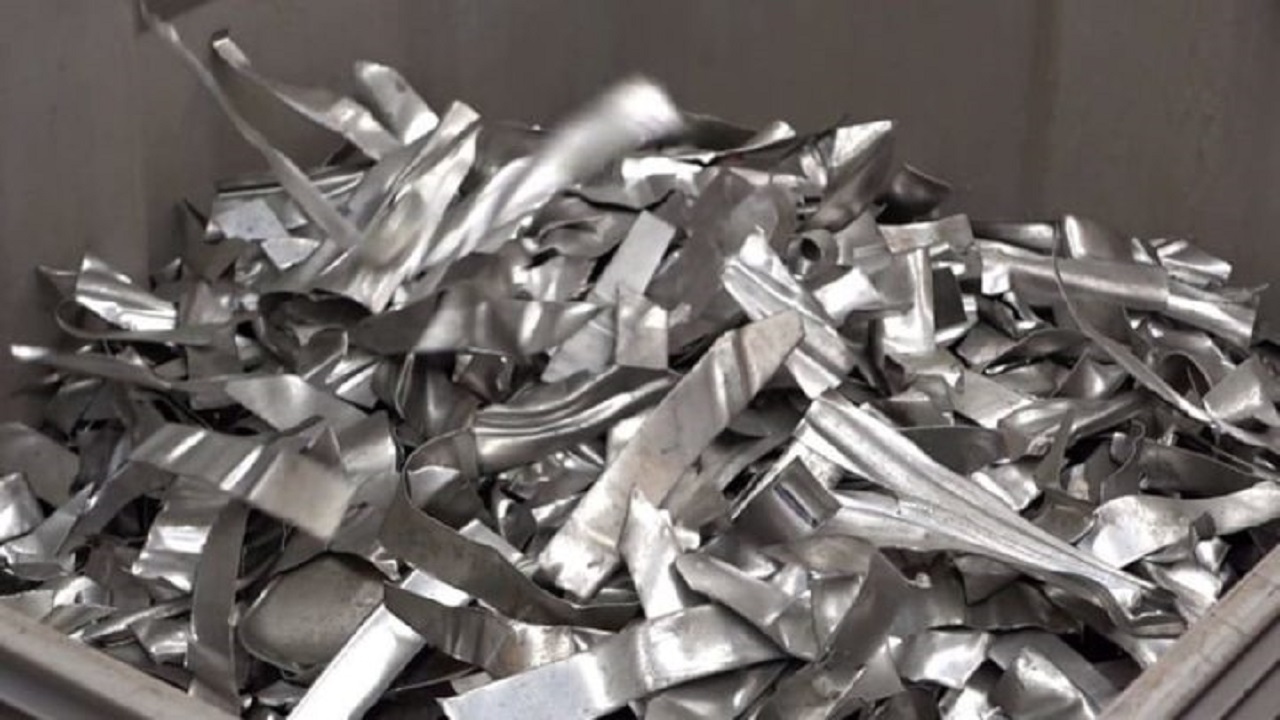
During the research, scientists considered the viable use of aluminum scrap, even though it also brings elements like silicon and magnesium, which are totally undesirable.
These Two Elements Are Added To The Basic Composition Of The Scrap For The Purpose Of:
- Increasing Its Strength;
- Preventing Corrosion Of The Material;
- Extending The Useful Life;
- Minimizing The Melting Point Of The Material When Subjected To High Temperatures.
Scientists from MIT then decided to treat the scrap with a mixture of gallium and indium, which serves to prevent these unwanted elements from interfering with the research and analysis. In this way, it is possible to penetrate the aluminum oxide layer, thus allowing the long-awaited release of hydrogen without the interference of silicon and magnesium.
Gallium and indium are considered costly and rarely seen in the market, so scientists regarded reusing the non-reactive mixture with aluminum as a significant economic and environmental advantage.
 Valdemar Medeiros
Graduated in Journalism and Marketing, he is the author of over 20,000 articles that have reached millions of readers in Brazil and abroad. He has written for brands and media outlets such as 99, Natura, O Boticário, CPG – Click Petróleo e Gás, Agência Raccon, among others. A specialist in the Automotive Industry, Technology, Careers (employability and courses), Economy, and other topics. For contact and editorial suggestions: valdemarmedeiros4@gmail.com. We do not accept resumes!
-