Portuguese
  Spanish


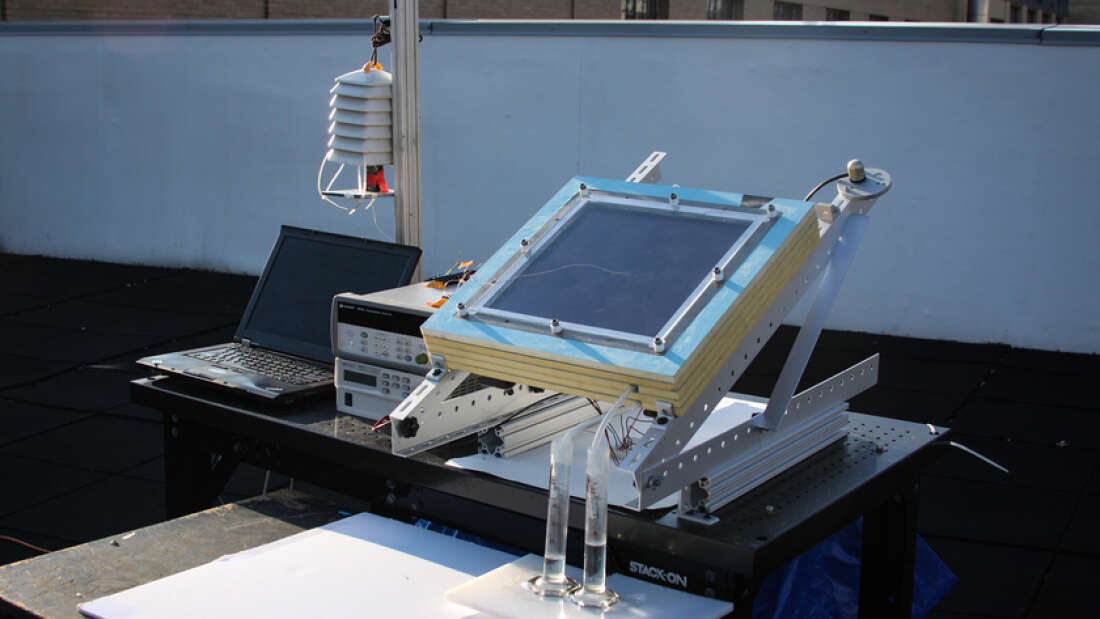

Meet The New Device That Uses Solar Energy to Extract Drinking Water Even From The Driest Air
A new solar-powered device developed by a team at the Massachusetts Institute of Technology can extract and condense clean water from dry air, without relying on electricity.
Read Also
- ANP Closes Gas Station in Rio With Irregular Device on Pump
- Oil Industry: Meet The ROV Fleet of Sistac That Provides Services to Petrobras
- Petrobras Supports Rio de Janeiro Project Selected by the Massachusetts Institute of Technology (MIT)
- Bolsonaro Forms Partnership with Israel to Build Factory That “Extracts Water from Air” in The Northeast
The solar-powered device works by using temperature differences to transfer water molecules to adsorbent materials, where water is condensed using the sun’s heat before being moved back into a container.
When there is no sunlight to heat the thermal plates that condense the water, the molecules can be collected on the materials before being harvested the next day.
-
World’s Largest Engie Solar Plant in Brazil Highlights Billion-Dollar Energy Waste Issue: Company Considers Batteries and Bitcoin Mining to Avoid Wasting Production

-
Air Products Cancels $2.9 Billion Clean Hydrogen Megaproject in Louisiana, Shuts Down Arizona Unit, Highlighting High Costs of U.S. Energy Transition
-
Over 60 Tractors Take to the Streets in Lopera as Solar Parks Compete with Olive Groves, Affecting 13,000 to 100,000 Trees According to Conflicting Reports

-
Green Hydrogen Projects in Northeastern Brazil Stalled for 18 Months Awaiting Government Decree, Delaying Billions in Investments


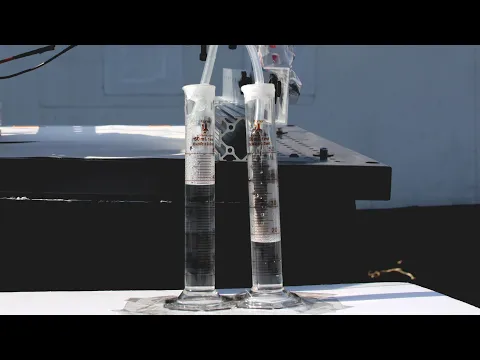

MIT Tries to Overcome Water Scarcity Situations Using The Power of Technology
According to IFL Science, this is not the first time a solution involving solar energy technology like this has been proposed, but the device from the MIT team seems to be the most effective attempt to use this process so far.
While previous versions were seen as very limited in their use, this time the researchers added a second adsorption-desorption stage to increase capacity and also shifted from specialized materials to use more widely available options – likely cheaper solar panels.
The scientists working on this new solar technology believe it could work in locations where humidity is as low as 20%, while similar devices currently in use in some desert regions require air with at least 50% humidity to produce water.
At the moment, the solar technology has the capacity to produce 0.8 liters of water per day. This is quite impressive, but considering that the human body requires about 2.5 liters per day to survive, it is likely that researchers will need to increase the device’s output before it can be deployed as a realistic solution to water crises.