Portuguese
  Spanish


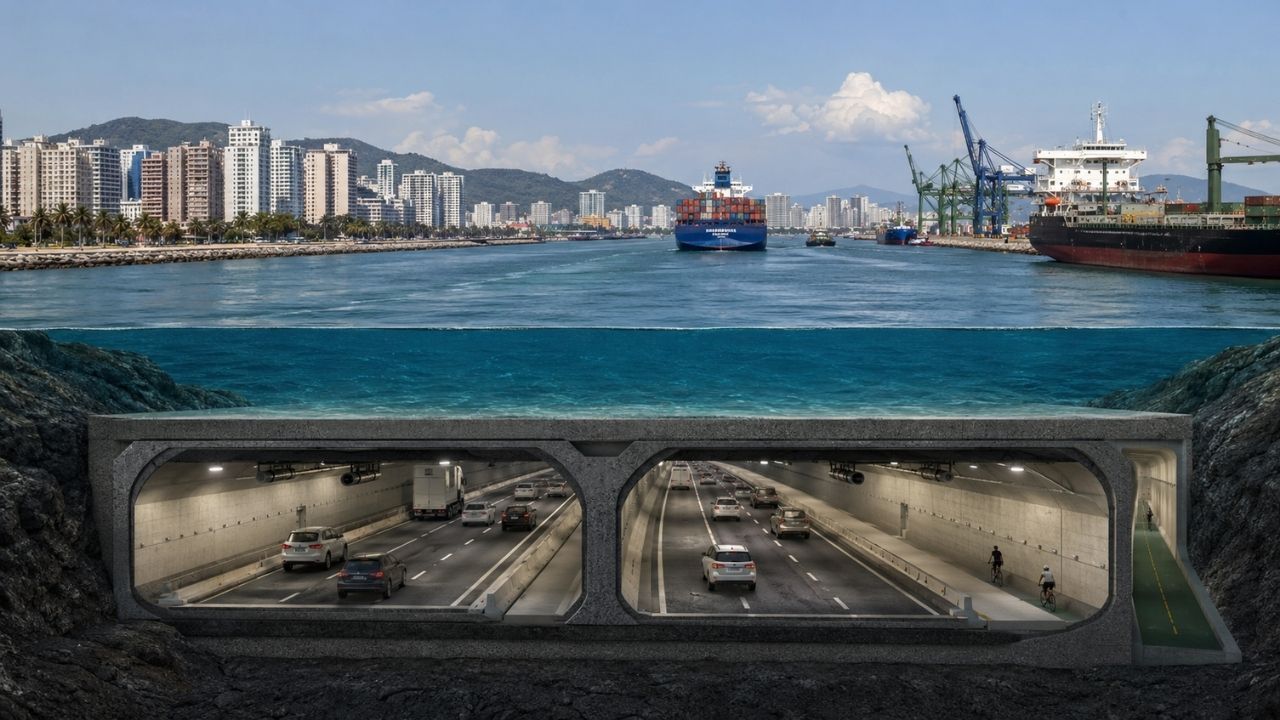

Santos-Guarujá Tunnel advances after TCU lifts block, releases federal funding, and maintains demand for legal governance in the project.
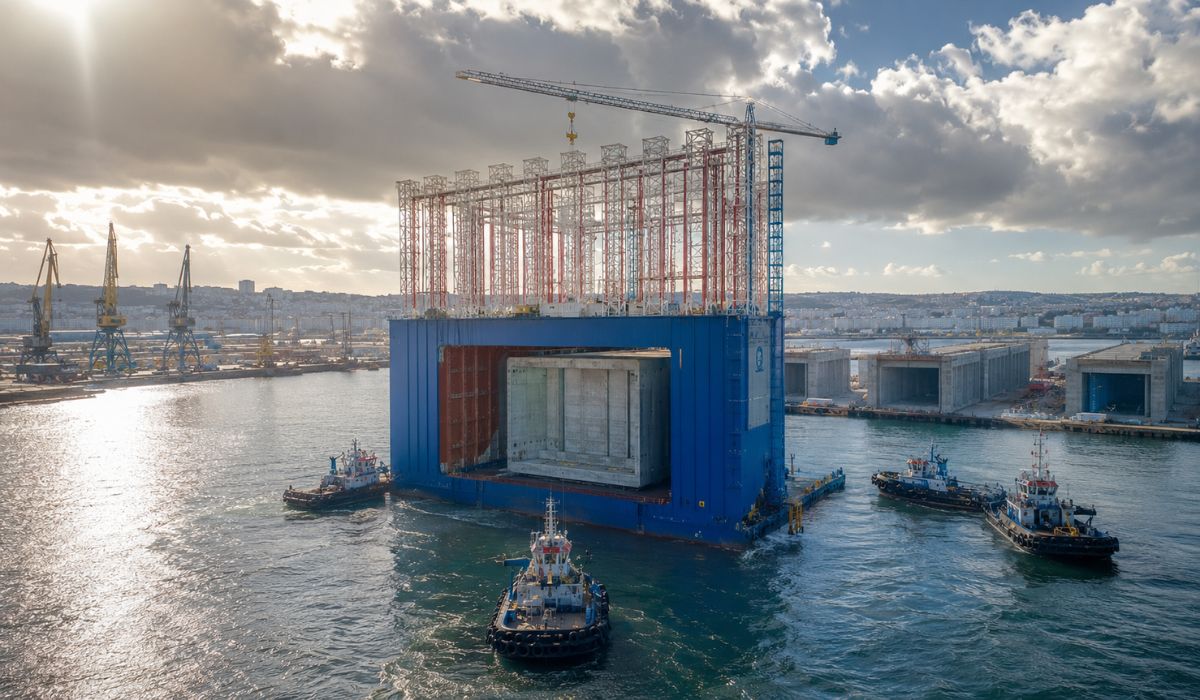
The Santos-Guarujá Tunnel returned to the center of São Paulo’s infrastructure this Wednesday, May 6, 2026, after the Federal Court of Accounts (TCU) revoked the decision that had temporarily blocked the federal funding of R$ 2.6 billion for the submerged project works that will connect Santos and Guarujá, on the coast of São Paulo. The measure unlocks a decisive stage of the initiative and avoids the risk of contractual non-compliance related to the transfer deadline.
According to the InfoMoney portal, the release was reported by Minister Bruno Dantas, who acknowledged progress in the instrument presented by the Santos Port Authority to the TCU, although he made it clear that the solution is not yet complete. The block was lifted because there was an evolution in the governance structure, but the Court maintained the demand for legal certainty in the administration of federal funds.
TCU revokes injunction and releases billion-dollar funding

The TCU’s decision changes the immediate course of the project by removing the injunction that had blocked the Union’s transfer. In March 2026, the Court of Accounts had determined the impediment of the funding, understanding that, until then, there was no formal instrument signed between the involved parties capable of ensuring the security of resource management.
-
Giant Robots Build Entire Neighborhood of 100 3D-Printed Homes in the U.S., Showcasing Technology’s Impact on Construction Industry

-
Helsinki Residents Receive Water That Travels 120 Kilometers Through a Hidden Rock Tunnel from a Lake Before Treatment

-
Brazil’s Sertão Region Nears Completion of Latin America’s Longest Artificial River, Transforming Water Access in Drought-Prone Ceará
-
Pre-mixed stabilized mortar set to revolutionize construction in 2026: extends usability to 36 or 72 hours, boosts productivity, and minimizes waste in building projects.



Now, the understanding has been relaxed given the progress presented. In his vote, Bruno Dantas stated that the document submitted to the court by the Santos Port Authority is not yet the essential element for resource administration, but it already represents a significant step towards allowing the release.
Legal governance remains at the center of the decision
Despite the revocation of the block, the green light did not come without conditions. According to the rapporteur, the release of funds remains linked to the formalization of the legal instrument that will regulate the governance of federal funding.
In practice, this means that the Santos-Guarujá tunnel had its transfer unlocked, but remains under institutional vigilance. The minister himself summarized the spirit of the decision by stating that the block sought an inter-federative governance capable of providing legal certainty to the Union’s contributions. There was progress, but not yet enough to completely end the court’s concern.
Contractual deadline weighed on the release
One of the strongest points of the vote was the urgency. Bruno Dantas highlighted that the funding needed to be made by next week, under penalty of contractual non-compliance. This factor increased pressure on the decision and helped justify the revocation of the injunction.
More than releasing funds, the TCU prevented the legal impasse from pushing the project into a new contractual crisis. With this, the court paved the way for the process to advance without ignoring the need for legal ties between the entities involved.
Santos-Guarujá Tunnel enters a new phase
The TCU’s move places the Santos-Guarujá tunnel in a new stage, marked by two elements that now go hand in hand: financial release and the demand for legal governance. The project leaves behind a block that threatened to stall its schedule but now moves forward with the obligation to consolidate the legal basis for the administration of public funds.
This new scenario shows that the discussion no longer revolves solely around the project itself, but also around the capacity to build a secure institutional model to sustain a billion-dollar investment. The funding was released, the block was lifted, but the TCU’s message was clear: the project needs to proceed with legal protection.
And you, do you think the demand for stricter legal governance can accelerate the Santos-Guarujá tunnel more safely or end up creating new obstacles for the project?