






 Portuguese
  Spanish


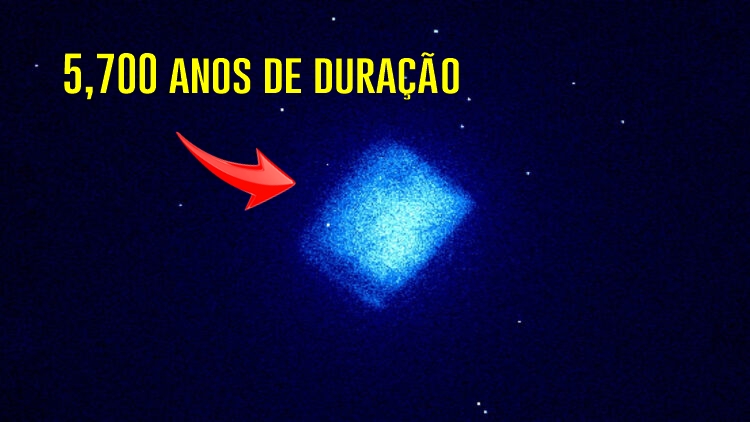


British Scientists And Engineers Develop First Atomic Diamond Battery, With Half-Life Of 5,700 Years, Promising Revolution In How We Store And Use Energy.
Scientists have created an innovative battery that can power devices for thousands of years. Developed by the United Kingdom Atomic Energy Authority (UKAEA), in partnership with the University of Bristol, the so-called carbon-14 diamond battery promises to transform the sustainable energy sector and revolutionize medical and space technologies.
How Does The Carbon-14 Diamond Battery Work?
The heart of this innovation is carbon-14, a radioactive isotope with a half-life of 5,700 years. This means that even after millennia, the battery still retains half of its original energy.
Carbon-14 is encapsulated in diamond, the hardest known material, ensuring total safety and preventing the release of short-range radiation.
-
Oceanographer Turns Abandoned Fishing Nets from Brazilian Waters into Bags, Creating Jobs and Earning Over $7,000 Monthly

-
Australia deploys poisoned sausages and uses traps, shooting, and fences in a battle against invasive cats that kill over 1.5 billion native animals annually, threatening more than 200 species.

-
NASA Rover Captures “Tired Face” on Mars, Highlighting Human Brain’s Tendency to See Faces in Rock Formations

-
Ancient Stone City in the Desert, Once Home to 30,000, Puzzles Scientists with Nabateans’ Water Mastery 2,000 Years Ago





The energy generation process is comparable to the functioning of solar panels. Instead of light, however, the battery captures high-speed electrons emitted within the diamond, efficiently and continuously converting them into electricity.
Practical Applications
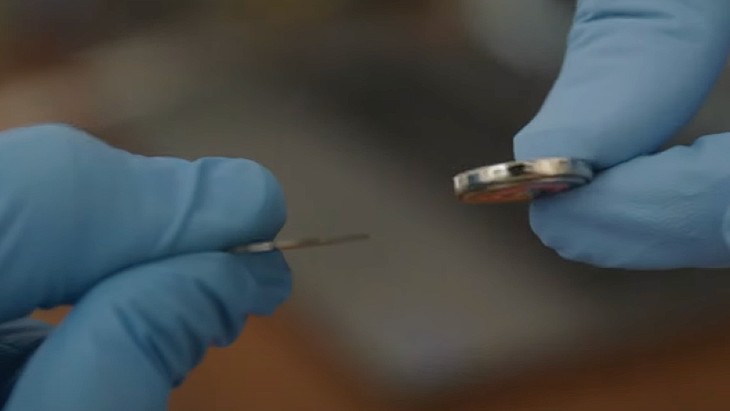
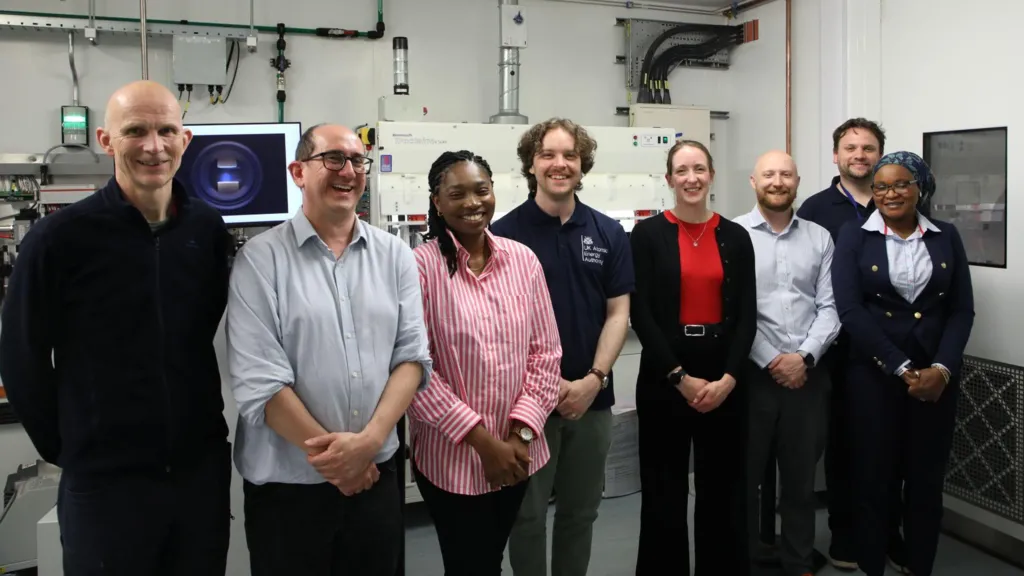
With compact dimensions – about 10 mm x 10 mm and only 0.5 mm thick – diamond batteries offer impressive possibilities. Scientists highlight potential uses in medical devices such as pacemakers, hearing aids, and ocular implants. “They minimize the need for frequent replacements, providing a reliable and sustainable solution,” explained Sarah Clark, director of the tritium fuel cycle at UKAEA.
Furthermore, these batteries have applications in extreme environments. In space, where replacing conventional batteries is unfeasible, the technology can ensure continuous power for probes, satellites, and other equipment.
On Earth, their resistance to adverse conditions expands their use in security devices and other critical technologies.
Reduction Of Nuclear Waste
Another significant advantage is the positive environmental impact. The carbon-14 used in the batteries is extracted from discarded graphite blocks in nuclear plants, reducing the radioactivity of these materials.
In the UK, it is estimated that there are about 95,000 tons of graphite in nuclear plants. By transforming this waste into batteries, scientists not only generate clean energy but also help reduce costs and risks associated with storing radioactive waste.
Professor Tom Scott from the University of Bristol emphasized: “Our technology can cater to applications from medical uses to solutions for space exploration. We are excited to advance alongside industrial and research partners in the coming years.”
This battery could mark a new era in energy sustainability, combining efficiency, durability, and environmental benefits.


Em um iPhone deve durar no máximo 5 hora e 7 minutos
Cada vez sai uma novidade enquanto a forma de manejo de energía, e me parece que está está adiante das demais formas e maneras.
Ninguém entende o que esses estagiários de jornalismo escrevem..