Portuguese
  Spanish


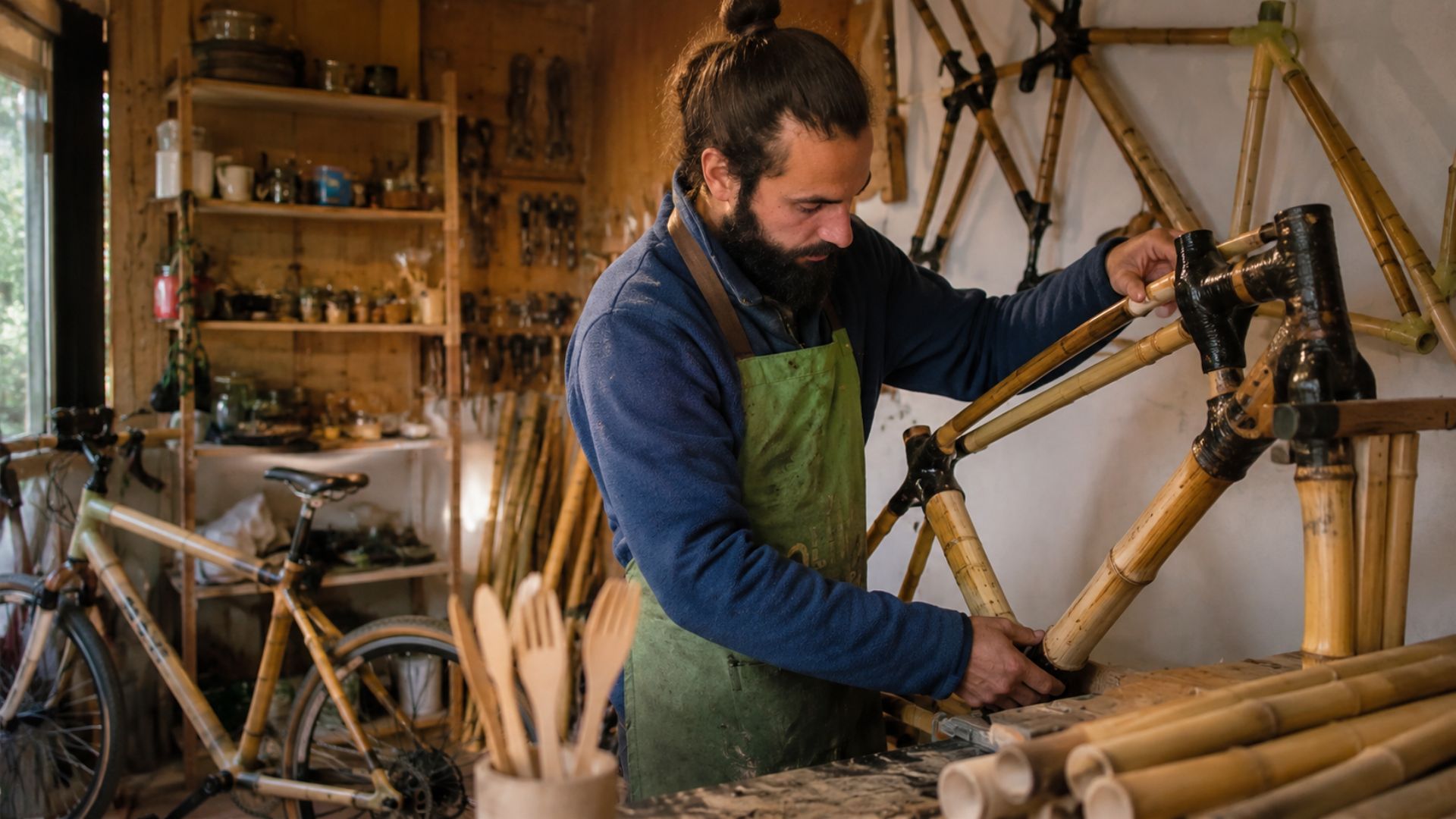

In Araucanía, in southern Chile, José Tomás Acevedo has been transforming coligüe into bicycles for ten years. According to him, the native bamboo grows up to five times faster than pine and yields more material per hectare. Even so, the craftsman himself admits that the project remains on a small scale.
What many people consider a weed has turned into a bicycle in the hands of a Chilean, as José Tomás transforms coligüe, a native bamboo from southern Chile, into bikes, canes, and cutlery. According to his account published in June in a report by DW, what others see as trash or weeds, he sees as a treasure of almost unlimited possibilities, inspired by Asian countries where numerous products are made from bamboo.
José Tomás Acevedo lives in the Araucanía region, where coligüe grows abundantly, and for ten years has made the bicycle his most valuable product. According to him, bamboo is one of the fastest-growing plants on the planet and reaches maximum structural strength around four or five years of age. The craftsman’s goal is to add value to coligüe and help reduce pine monocultures.
From Native Bamboo to Handmade Bicycle
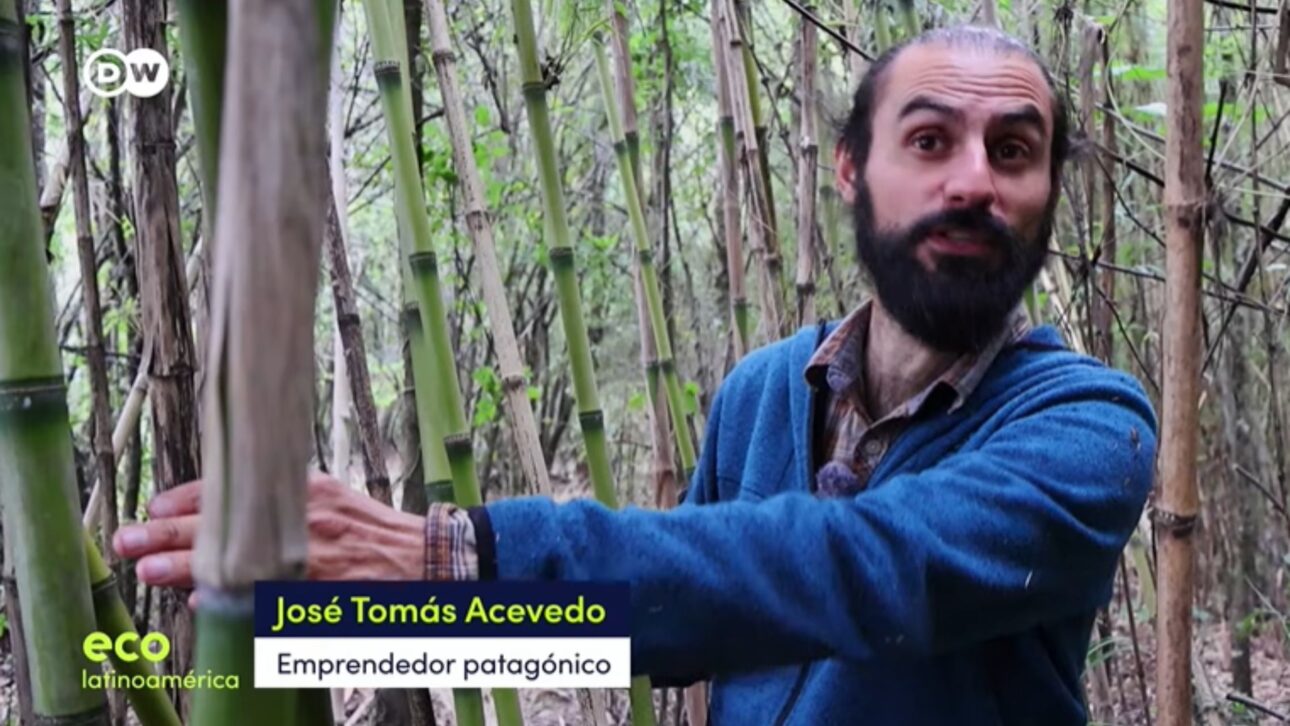
The production begins in a forest near home. According to José Tomás, he travels a few minutes to the nearest forest to collect coligüe and, in a coligal, finds stems of different ages, as bamboo reaches maximum strength at four or five years. With the fiber, he assembles the bicycle, considered his most valuable product, and also manufactures canes and cutlery.
-
Bruno Guimarães, 28, Misses Crucial Penalty Against Norway in World Cup After Replacing Vinicius Jr.

-
Inspired by a school lesson on Africa’s water crisis, a young boy raised money through chores to fund a well that transformed a Ugandan community.

-
Brazilian Construction Worker Moves to France, Earns Up to €2,500 Monthly with Home Renovations, Gains Social Media Attention

-
US Navy Sinks USS Oriskany with 230 kg of C-4, Creating World’s Largest Artificial Reef in 37 Minutes





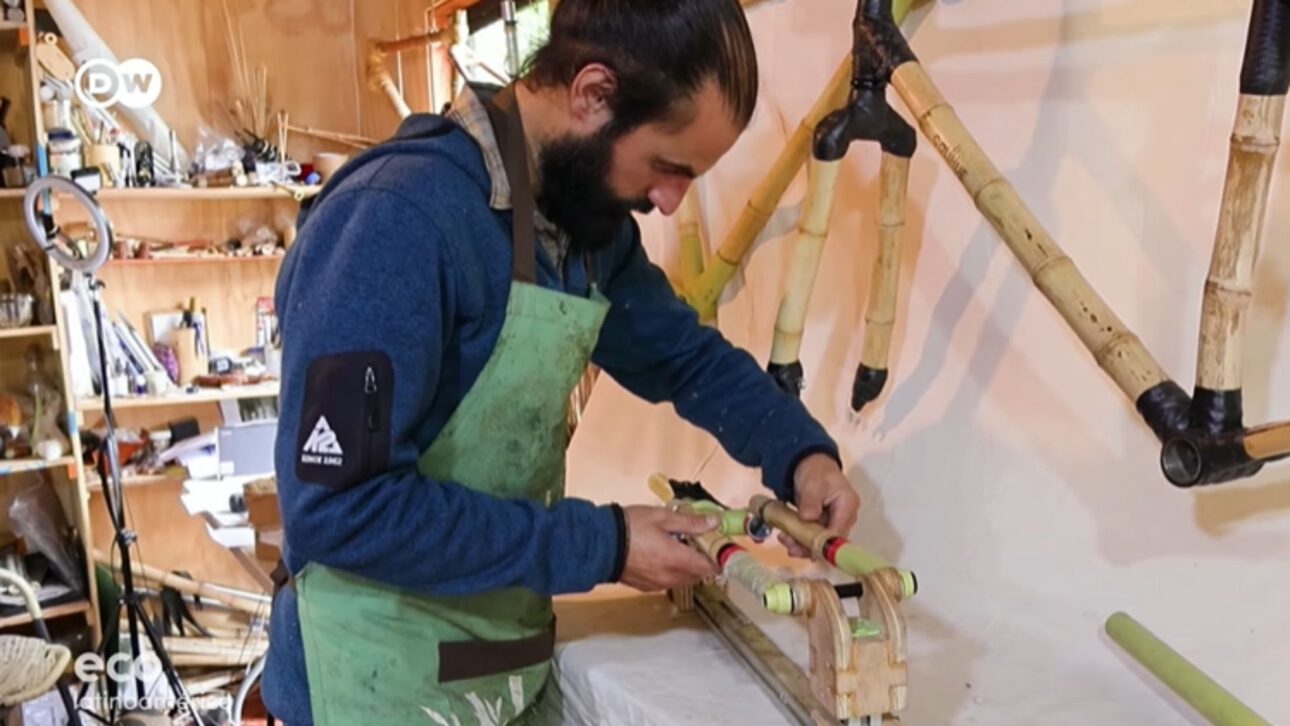
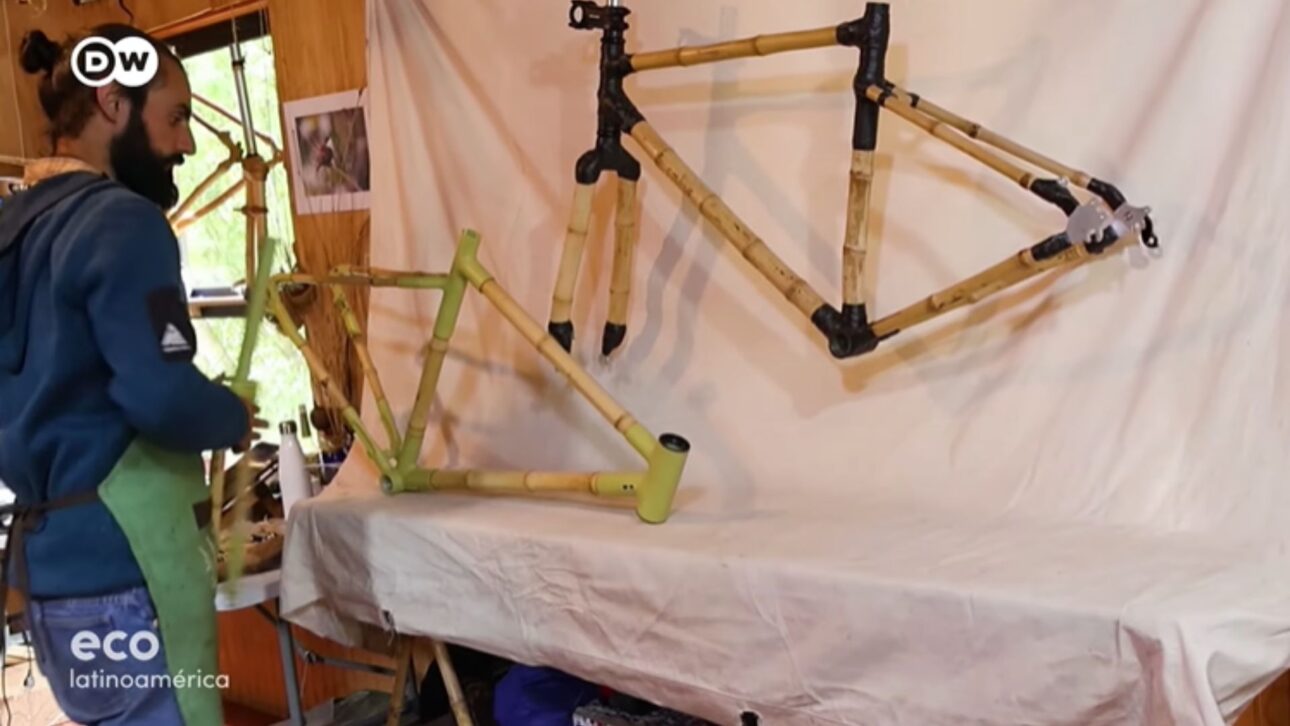
The experience comes from a decade of work. According to his account, he has been building coligüe bikes for ten years, inspired by Asian countries where many items are made from bamboo. The goal, he explains, is to mobilize not only those who ride bicycles but also a culture that values coligüe, so that people can see, through the bicycle, the resilience and value of the plant.
The criticism of pine monocultures
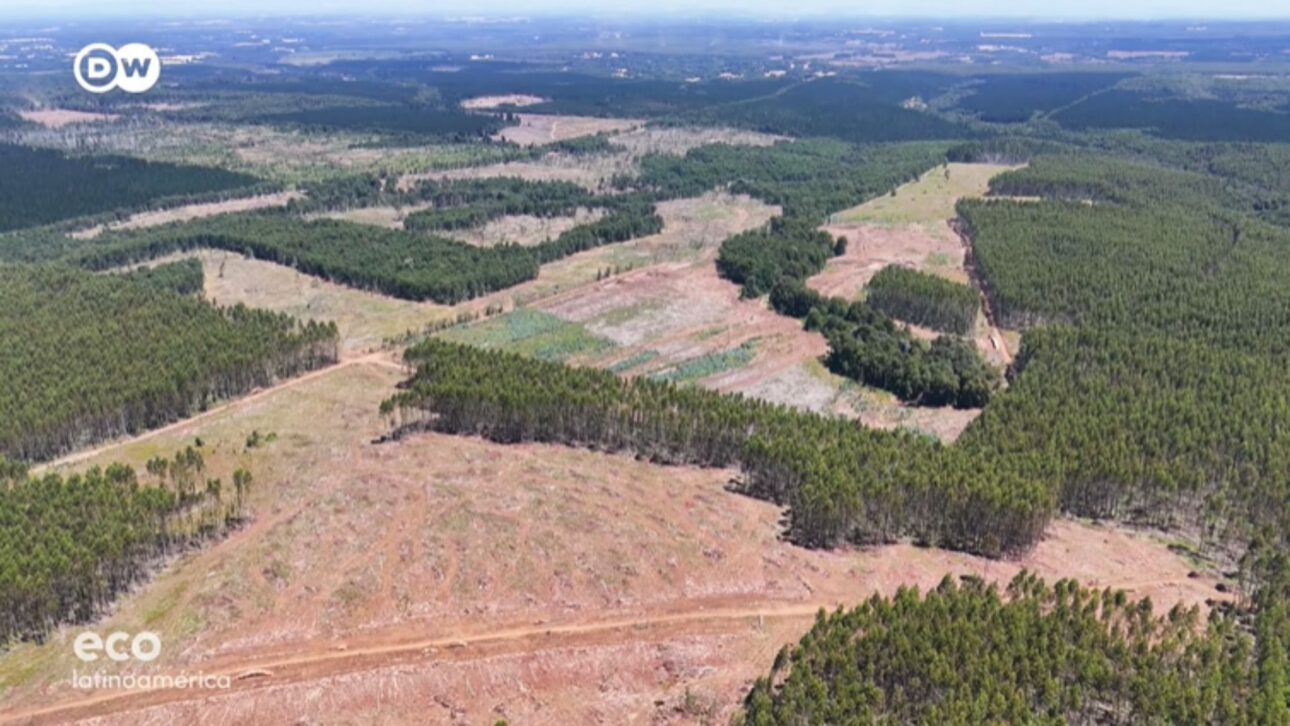
The craftsman’s dream goes beyond the bicycle. José Tomás wants coligüe to gain prestige and help reduce pine monocultures. According to his argument, the exotic species used in recent decades in a forestry model causes problems such as the replacement of native forests, soil degradation, carbon release linked to deforestation, and a decrease in the soil’s ability to store water.
The issue of fires also appears in the account. According to the craftsman, pines and eucalyptus are much more flammable than native trees, which accelerates the spread of fire. He states that coligüe grows up to five times faster than radiata pine, is several times more resistant, and yields much more material per hectare, which, in his view, makes it a more efficient and sustainable alternative, even though these comparisons come from José Tomás himself.
The coligüe structure planned in Villarrica
An award opened the way for a larger project. According to José Tomás, thanks to an award he won, he will build a coligüe structure on the waterfront of Villarrica, a very touristy city in Chile. According to his account, the idea is to develop a craft and culture around coligüe and change the low social value of the plant, hoping that the work will be a first step for this work to multiply in the country.
Social media is part of the strategy. According to the craftsman, he uses informative videos to draw attention to the topic and seeks to make coligüe known so that it is valued, cared for, and utilized according to its cycles and needs. Even without citing sales numbers, he treats dissemination as a central part of the project, alongside the bamboo bicycle and craftsmanship.
A project still seeking scale


The creator himself acknowledges the limits of the initiative. According to José Tomás, he does not want to work alone and wishes to add artisans, architects, and designers to his project around the bamboo bicycle. The most important point, however, is that he himself admits that the bicycles, architecture, and craftsmanship have not yet reached the scale needed to change Chile’s forestry industry, although he says it is not too far from it.
The bet is on a gradual change of culture. According to his account, he sees a path that gradually enters people’s culture, has already designed and developed the craftsmanship, and hopes that many artisans will copy and reproduce his ideas. The goal, he states, is to form a community that, following the example of Asia and other Latin American countries, gives coligüe the value it deserves as a sustainable and native material.
In Araucanía, José Tomás Acevedo transforms coligüe, a native bamboo that many people treat as a weed, into bicycles, canes, and cutlery, after ten years of work. He argues that coligüe grows up to five times faster than pine and would be a more sustainable alternative to monocultures, and he will build a coligüe structure in Villarrica thanks to an award. Still, the artisan himself admits that the project remains artisanal and has not reached the scale capable of changing Chile’s forestry industry, which he sees as a cultural transformation made gradually.
And you, would you ride a bamboo bicycle and believe that native materials like coligüe can replace pine monocultures, or does it still seem far from reality? Share your opinion and exchange ideas with other readers on the topic, with respect for different views.