






 Portuguese
  Spanish
  4 min of reading
  8 comments


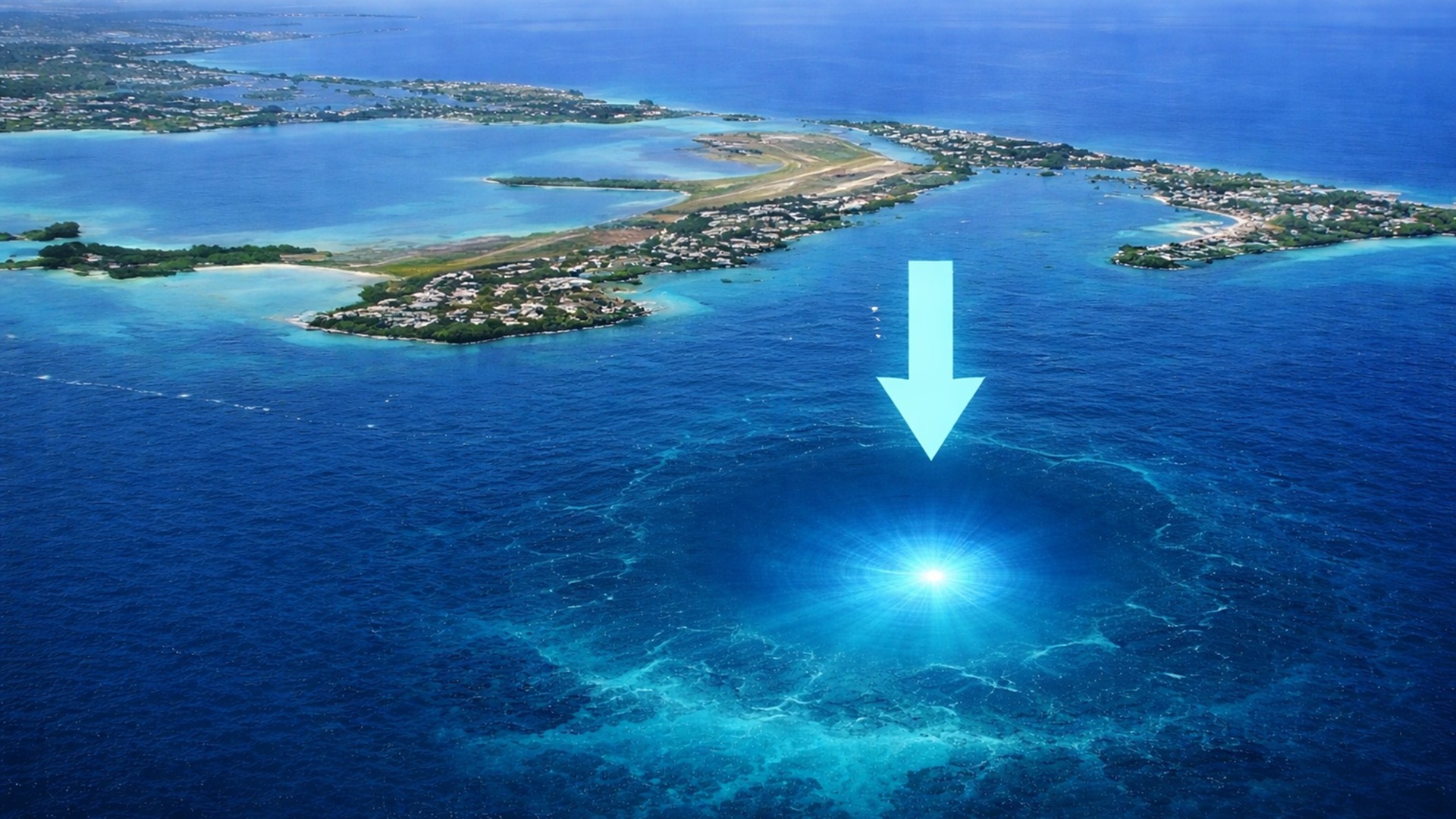


The Identification of a Rock Layer About 20 Kilometers Thick Beneath the Oceanic Crust of Bermuda Reveals An Unprecedented Structure, Helps To Explain The Elevation of Approximately 500 Meters of The North Atlantic Seafloor, and Challenges Classic Models Of Ancient Oceanic Island Geological Dynamics
Scientists identified a rock layer 20 kilometers below the oceanic crust of Bermuda, an unprecedented formation that may explain the local elevation of the seafloor by about 500 meters, despite 31 million years without volcanic activity.
An Unexpected Layer Beneath The Oceanic Crust
Researchers discovered a rock structure 20 kilometers thick located below the oceanic crust under the Bermuda archipelago. The thickness of this layer has no known parallel in similar formations in other regions of the planet.
According to seismologist William Frazer, the lead author of the study and researcher at Carnegie Science, the expected pattern would be to find the mantle directly beneath the base of the oceanic crust. However, in Bermuda, there is an additional layer within the tectonic plate itself.
-
They wanted artificial intelligence, but they drained the water from a village in Mexico: the water consumption of data centers caused a hepatitis outbreak, and big tech companies Amazon, Microsoft, and Google were forced to halt billion-dollar projects.

-
System created to save lives in disasters turned ‘against’ Brazilians overnight: a hacker attack sent out a false alert from Civil Defense with the word “misantropia” that went off on the phones of half the country, even in silent mode, and took down the Cell Broadcast.
-
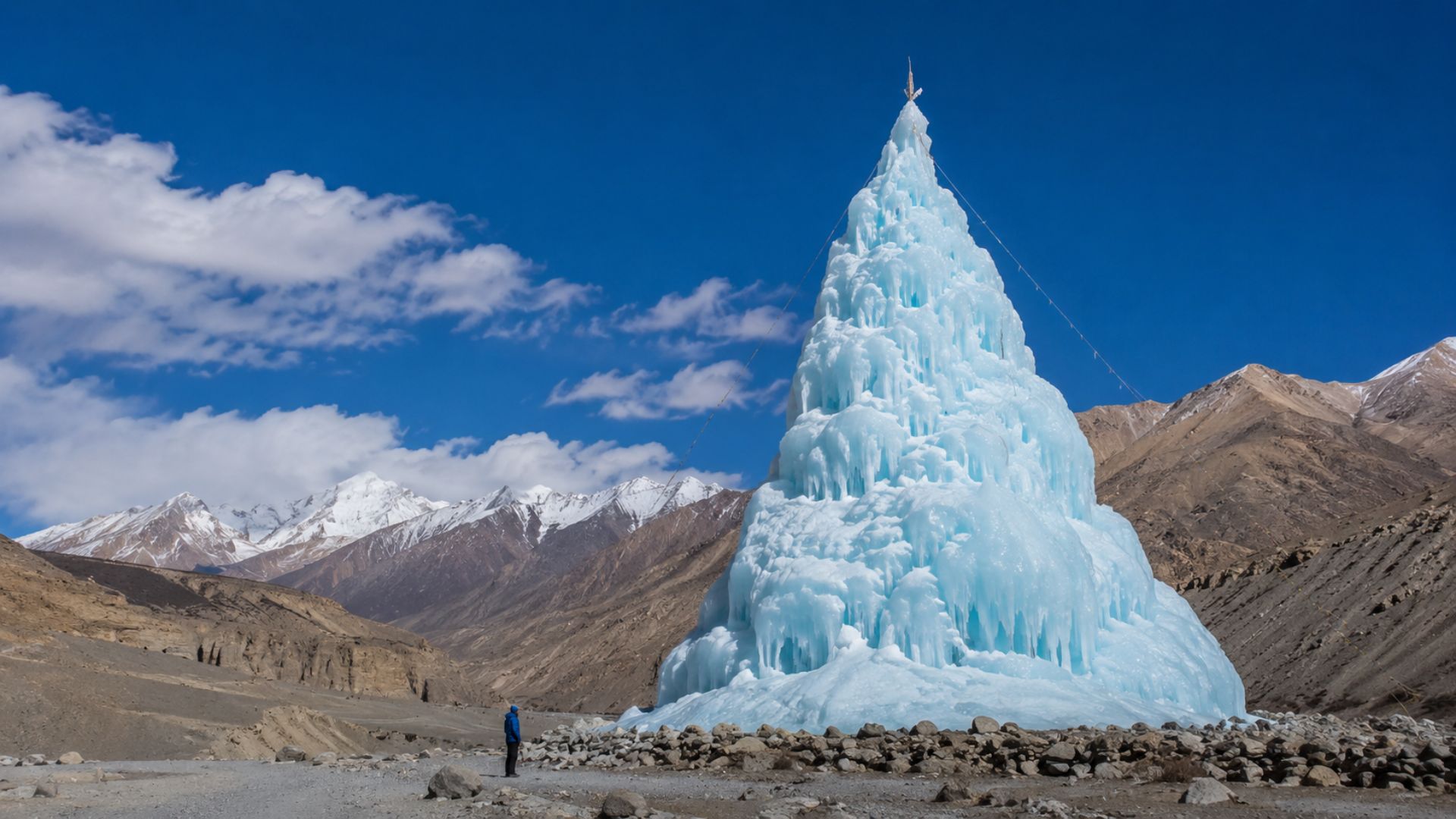
In the cold desert of Ladakh, where it hardly rains, engineer Sonam Wangchuk created the ice stupa, a tower that freezes winter water and stores it for irrigating crops in the spring, a simple engineering feat that mimics nature.
-
For the first time in history, solar and wind energy generated more electricity than natural gas worldwide in a single month, April 2026, a milestone in the energy transition that shows renewable sources taking the lead in the global electric system.



This configuration deviates from traditional models of oceanic crust structure. The presence of the layer suggests a distinct geological process that could alter the density and behavior of the plate on which the archipelago sits.
The Mystery of Bermuda’s Oceanic Elevation
Bermuda is situated on an ocean elevation where the crust is higher than the surrounding seafloor. The phenomenon has always been considered enigmatic, as there are no signs of active volcanism responsible for sustaining this undulation.
The last known volcanic eruption in the region occurred 31 million years ago. Even so, the elevation of the ocean floor persists, contradicting the expected behavior for island chains formed by hot spots in the mantle.
Normally, when the crust moves away from a hot spot, ocean elevation tends to decrease. In Bermuda, this subsidence did not occur, leaving the debate open about active geological processes beneath the archipelago.
A “Raft” of Rock Frozen Inside The Plate
The discovery of the new structure suggests that the last phase of volcanism may have injected mantle rock into the oceanic crust. This material may have solidified inside the tectonic plate, forming a kind of rock raft.
This less dense layer would help support the crust, raising the ocean floor by approximately 500 meters. The mechanism provides a coherent explanation for the maintenance of oceanic undulation without recent surface volcanic activity.
The find also shifts the focus from the famous Bermuda Triangle. While the region between the archipelago, Florida, and Puerto Rico has gained a reputation for supposed disappearances, this history is considered exaggerated by researchers.
How Scientists “Saw” Up To 50 Kilometers Below The Archipelago
Frazer and co-author Jeffrey Park, a professor at Yale University, analyzed records from a seismic station installed in Bermuda. They utilized seismic waves generated by large distant earthquakes recorded around the world.
By observing points where these waves changed behavior abruptly, the scientists were able to map the internal structure of the Earth down to about 50 kilometers below the archipelago. This is how the exceptionally thick layer was identified.
The data indicates that this rock is less dense than the material around it, reinforcing the hypothesis that it contributes to supporting the local ocean elevation. The results were published on November 28 in the journal Geophysical Research Letters.
Geochemical Evidence and The Legacy of Pangea
Geologist Sarah Mazza from Smith College, who was not involved in the study, stated that there is still remnant material from the period of active volcanism beneath Bermuda, helping to maintain the elevated relief in the North Atlantic.
Research conducted by Mazza on the local volcanic history shows that the lavas of Bermuda are low in silica and contain carbon from deep within the mantle. A study published in September in the journal Geology analyzed variations of zinc molecules in these samples.
According to Mazza, this carbon may have been pushed into the mantle when the supercontinent Pangea formed between 900 and 300 million years ago. This process differs from what is observed in hot spot islands in the Pacific and Indian Oceans.
The Atlantic, opened after the breakup of Pangea, is a geologically young ocean. Being in an area that was once the heart of the last supercontinent may be an essential part of the story that makes Bermuda unique, the researcher explained, in a little-explored point.
A Unique Case or An Extreme Model of The Earth
Frazer is now investigating other islands around the world to see if there are layers similar to the one found beneath Bermuda or if the archipelago represents a truly singular case among known oceanic structures.
For the researcher, understanding an extreme location like Bermuda is essential to grasping less extreme regions of the planet. The study helps differentiate geological processes considered normal from those that are rare or exceptional.
The discovery reinforces the idea that the oceanic crust may preserve deep records of ancient events capable of influencing relief for tens of millions of years, even after the end of visible volcanism on the surface.
The article was based on a scientific study published in Geophysical Research Letters on November 28, and on interviews conducted by William Frazer from Carnegie Science, Jeffrey Park from Yale University, and Sarah Mazza from Smith College with Live Science.






Why can’t people write stories without saying th exacte same in the first three paragraphs, just worded differently. After the third paragraph I just stop reading.
They should really dig deep in the oceanic geography and send bots to see what that is and monitor the area bcos we(humans) don’t want a killer alien coming out from the sea
They found a bump