






 Portuguese
  Spanish


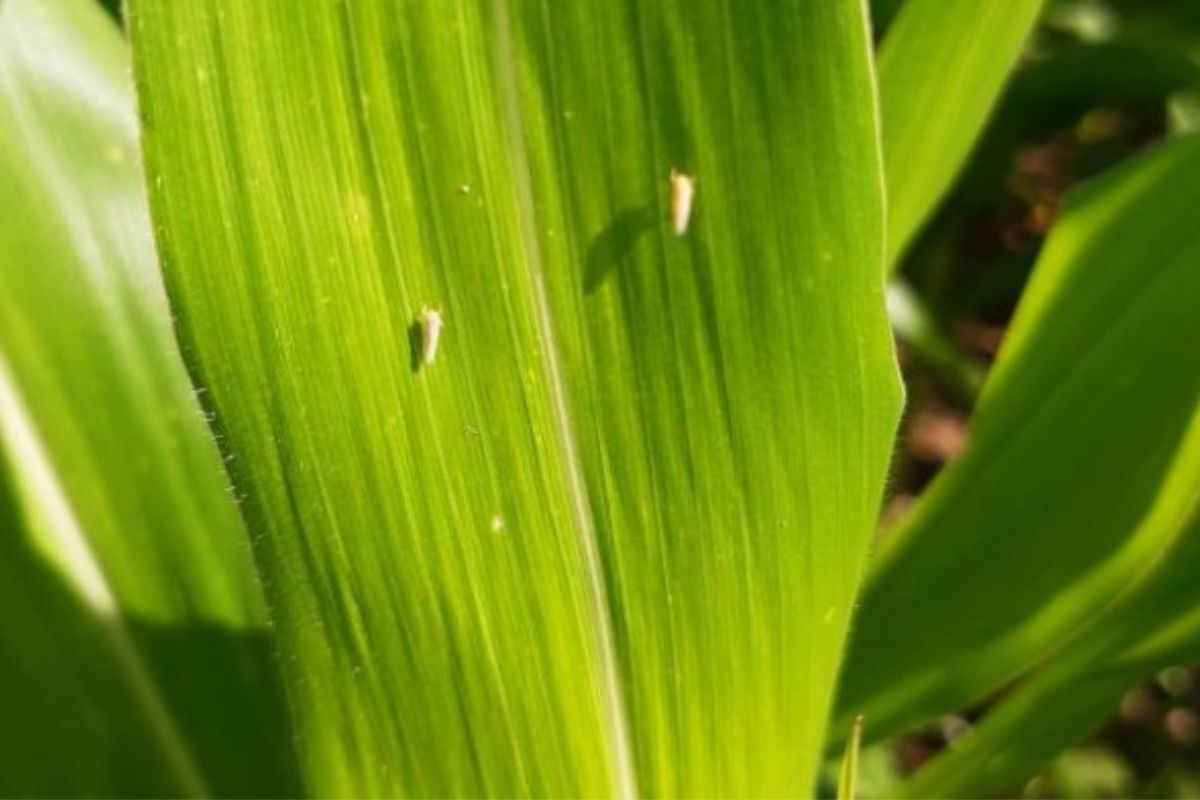

Corn Hoppers Concern Several Municipalities in Santa Catarina. Chemical Management, Biological Management, Agricultural Monitoring, and Epagri App Are Allies to Reduce Risks in Crops. Producers Must Act Early and Monitor Data from the Monitora Milho SC Program
Corn hoppers are increasingly highlighted in the fields of Santa Catarina, and this issue has caught the attention of farmers and technicians in the region, according to a report published.
In the latest surveys conducted by the Monitora Milho SC Program, some cities showed higher rates of this insect’s presence. What does this mean for agricultural production? What measures need to be taken to avoid losses in the future?
Even though the state average is within the expected range, municipalities like Concórdia, in the West, and Benedito Novo, in the Itajaí Valley, recorded concentrations above normal.
-
India’s Sugar Export Cuts and Ethanol Shift Amid El Niño Threat Could Impact Global Prices and Stocks

-
Quarantine Pest Threatening Palm Trees Puts Brazilian Authorities on Alert, Prompts Monitoring at University of Taubaté and Potential Control Measures Across São Paulo
-
Global Alert: Report Finds 159 Pesticides in Coffee Beans Sold in Europe, Posing Serious Risks to Millions of Farm Workers
-
Green Roofs on Homes Gain Popularity for Reducing Heat, Noise, and Rain Impact in Brazil



It is exactly at this point that precautions must be reinforced. The insect is small, but it can carry agents that compromise the development of the crops.
The action must be quick and smart, combining different strategies.
Control does not depend solely on one type of management. Technical guidelines emphasize that the union of chemical and biological management can be the key to keeping crops safe.
Additionally, new digital tools are available to make the producer’s life easier. One of them is the Epagri Mob app, which helps monitor the situation in each region.
In summary: information is power. The earlier farmers know about the presence of corn hoppers, the better their chances of making sound decisions and protecting productivity.
Chemical Management and the Role of the Farmer
Chemical management is one of the main recommendations when the incidence of corn hoppers increases. According to the Monitora Milho SC Program, this practice reduces the risks of plants being infected by pathogens.
It is worth noting that the insect may be present, but it does not always transmit the disease immediately. This happens because there is a latency period within the vector itself.
Epagri/Cepaf researcher Maria Cristina Canale emphasizes that this intervention is important especially in the early stages of corn.
The stage between V2 and V4 is the most critical, as it is when the plant is most vulnerable. If contamination occurs at this time, symptoms will only appear about 60 days later, compromising the development of the crop.
This type of management should be done in a guided manner, respecting technical indications. When well applied, it helps keep insect levels within acceptable limits and avoids greater complications.
For the farmer, following this care is a way to prevent future problems and preserve production yield.
Biological Management as a Complement
In addition to chemical management, biological management has proven to be an interesting alternative for dealing with corn hoppers.
This practice seeks to balance the environment and provide more security to the producer, reducing the exclusive dependence on chemical products.
When combined, both types of management create a more complete system. The biological approach helps keep the population of the insect controlled, while the chemical approach acts directly when pressure is higher.
This integration is recommended whenever possible, as each crop can present specific conditions.
In municipalities where monitoring detected higher indexes, such as Concórdia and Benedito Novo, this combination becomes even more important.
The presence of corn hoppers above average requires quick responses, and biological management is a piece that complements the puzzle of solutions.
Agricultural Monitoring as a Strategic Ally
No decision regarding corn hoppers can be made without reliable information. Therefore, agricultural monitoring has become indispensable.
In Santa Catarina, the Monitora Milho SC Program has fulfilled this role since 2021, gathering weekly data from different regions.
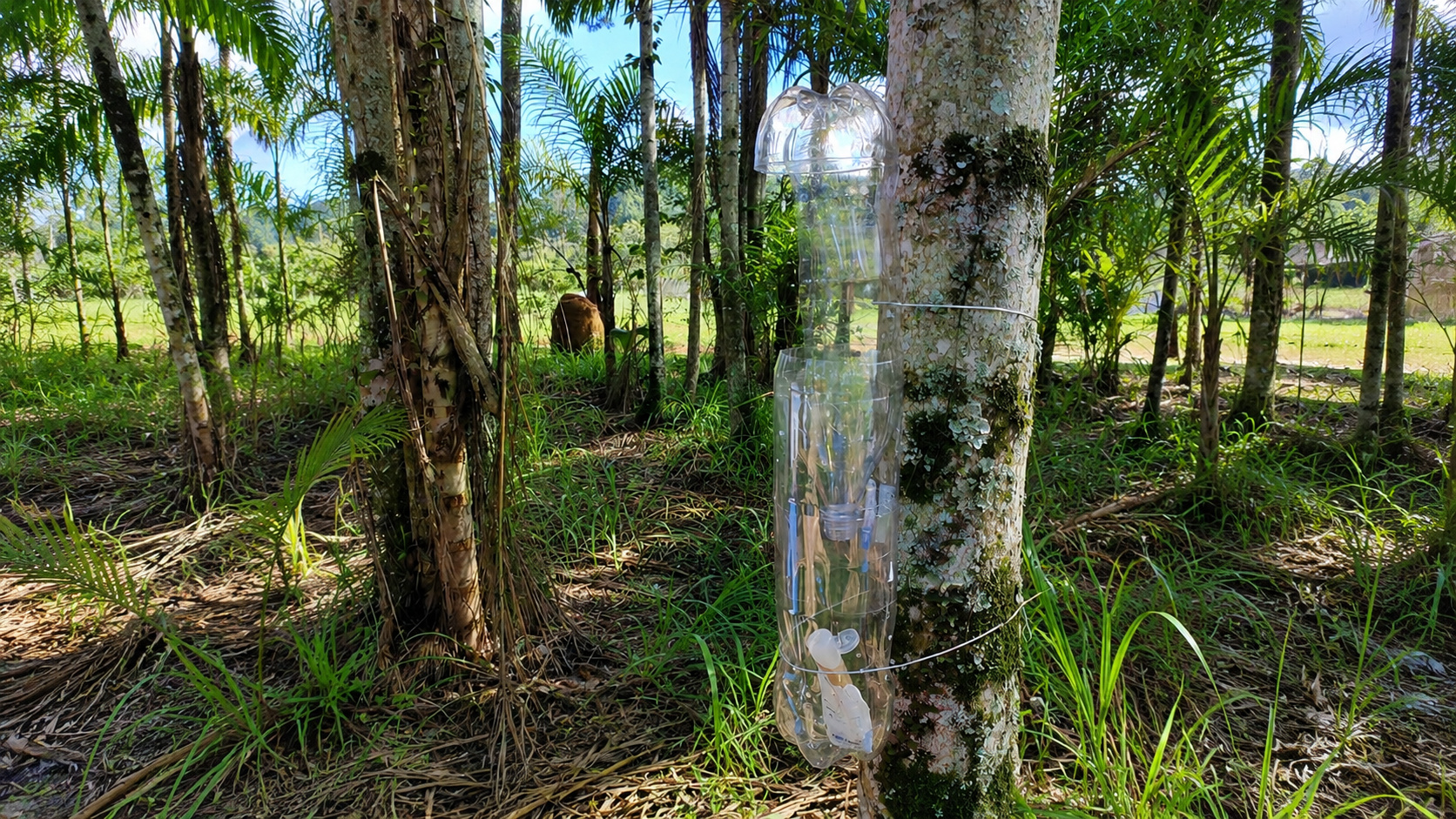
In the survey conducted between September 8 and 15, the state average was below five insects per trap in each location.
Although the number is within expectations, cities like Concórdia and Benedito Novo showed higher concentrations.
Additionally, laboratory analyses confirmed the presence of pale stippling spiroplasma in Guatambu and Planalto Alegre, as well as viruses like the fine streak and striped mosaic in municipalities in the West.
This information allows farmers to know where the situation requires more attention. Agricultural monitoring is not just a technical report, but a practical guide for producers to make quick and assertive decisions about management.
Technology in the Field: Epagri App
Technology is also present in the fight against corn hoppers. The Epagri Mob app was created precisely to bring farmers closer to information in real-time.
Available for free, it allows tracking the incidence of the insect in different regions of Santa Catarina.
Through this tool, producers and technicians can visualize updated data, understand the evolution of infections, and better plan management.
The app also provides details on pathogens associated with corn hoppers, such as the red streak phytoplasma, pale stippling spiroplasma, and streak virus.
This initiative reinforces how agricultural monitoring can be even more efficient when combined with digital resources.
Information reaches directly to the cell phone, facilitating the routine of those in the field who need to act quickly in face of situations.
Corn hoppers demand constant attention. Municipalities like Concórdia, Benedito Novo, Guatambu, and Planalto Alegre have already presented data that serve as alerts.
The use of chemical management, biological management, agricultural monitoring, and the Epagri app forms an essential set of tools to keep corn production protected in Santa Catarina.








