






 Portuguese
  Spanish


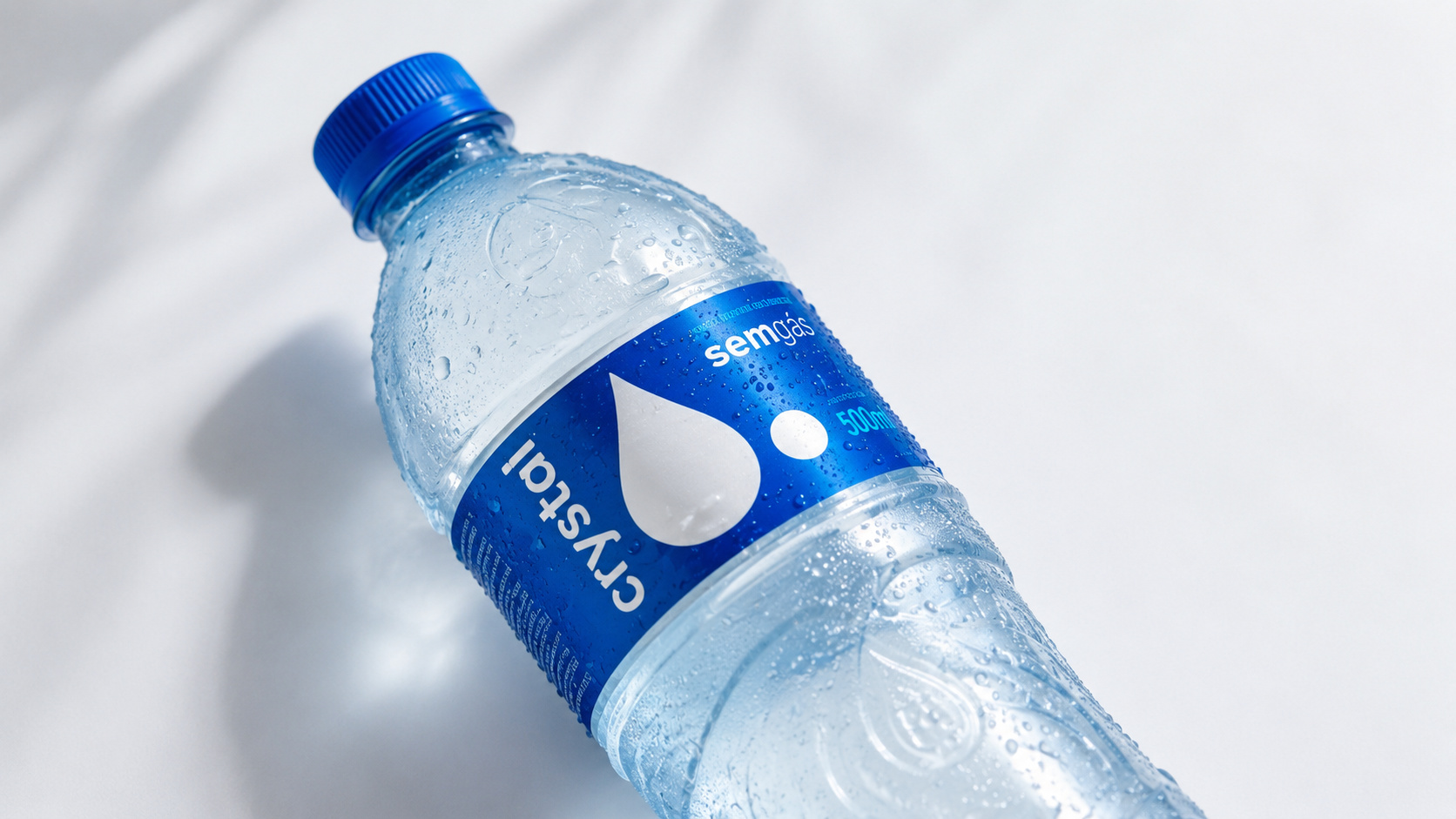
Laboratory analysis confirmed the presence of Pseudomonas aeruginosa in a batch manufactured in Goiás; consumers should check the identification printed on the bottle.
The National Health Surveillance Agency (Anvisa) ordered this Wednesday (3) the recall of a batch of Crystal natural mineral water without gas after the identification of the bacterium Pseudomonas aeruginosa in product samples. The measure also suspends the commercialization, distribution, and use of the affected units.
The batch targeted by the decision is P 200126, produced by Mineração Bom Jesus Ltda., in Luziânia (GO). The manufacturer is part of the Coca-Cola System and is responsible for bottling the Crystal brand in one of its production units.
How to identify the batch affected by the measure
Consumers should check the information printed directly on the body of the bottle. According to Anvisa, the identification appears with the marking LZ1 VAL 200127 3 P 200126.
-
Russia and India Lift 320-Ton Pressure Vessel into Kudankulam Nuclear Plant Reactor, Advancing Project That Has Already Prevented 112 Million Tons of CO2 Emissions

-
Brazilian Student Wins Global Science Fair in the U.S. with Sound Wave Method to Alter Alzheimer’s-Linked Genes
-
Bosch Unveils Revolutionary 2.3 kg Hub Motor for E-Bikes with 45 Nm Torque and 400 Watts Power, Eliminating Resistance Above 25 km/h in Historic Shift for German Manufacturer
-
Brazilian Engineer Develops Marine Bacteria from Ubatuba into a Mini Power Plant Generating 227 mW per Square Meter, Cleans Air by Capturing CO₂ and Releasing Oxygen


The expiration date corresponding to the batch is January 20, 2027. If the numbering matches the one informed by the agency, the guidance is to immediately stop consuming the product.
Service for replacement or refund requests can be made by phone at 0800 061 5000 or through the electronic address provided by the company.
More than 374 thousand bottles were distributed in four federative units
Information sent by the manufacturer to Anvisa indicates that the batch has 374.4 thousand bottles of 500 ml.
The Federal District received 230,443 units. The state of Goiás concentrated 66,768 bottles, distributed in municipalities such as Luziânia, Valparaíso de Goiás, Formosa, Cristalina, and Catalão.
The state of São Paulo received 75,750 units, destined for the cities of Sorocaba, Itu, São Roque, Tatuí, and Itapetininga. Meanwhile, Tocantins received 1,439 bottles, distributed between Arraias, Combinado, and Novo Alegre.

Investigation began after routine collection conducted in the Federal District
The investigation started after a monitoring action conducted by the Directorate of Sanitary Surveillance of the Federal District (Divisa-DF).
The collected samples were analyzed by the Central Public Health Laboratory of the Federal District (Lacen-DF), which identified the presence of the bacteria in the product.
The result was subsequently subjected to the retesting provided in the procedures of the National Sanitary Surveillance System (SNVS). The confirmation led to the Definitive Fiscal Analysis Report No. 76.CP.0/2026, a document that supported the sanitary measure.

Company states it has started recall and conducted internal analyses
After being notified, Mineração Bom Jesus informed Anvisa that it immediately started the recall of the batch from distributors.
Estimates presented by the company indicate that approximately 99.2% of the units would no longer be available for sale to the final consumer.
The company also declared it conducted an internal investigation to identify possible causes of the occurrence. Documents and technical information were sent to the regulatory agency during the investigation.
Anvisa maintains restrictions on the batch after official confirmation
Data presented by the manufacturer to the g1 portal indicate that more than 300 samples were subjected to internal laboratory analyses, all with negative results for microorganisms indicative of contamination.
Despite this, Anvisa maintained the recall order after the official confirmation obtained through the procedures of the National Sanitary Surveillance System.
The regulatory body highlights that the batch does not comply with the microbiological standards provided in the current legislation for bottled water. The guidance remains valid for all consumers who identify batch P 200126 on their bottles.
Do you usually check the batch and expiration date of the products you consume before using them, especially after alerts and recalls issued by regulatory bodies?







Be the first to react!