






 Portuguese
  Spanish
  3 min of reading
  0 comments


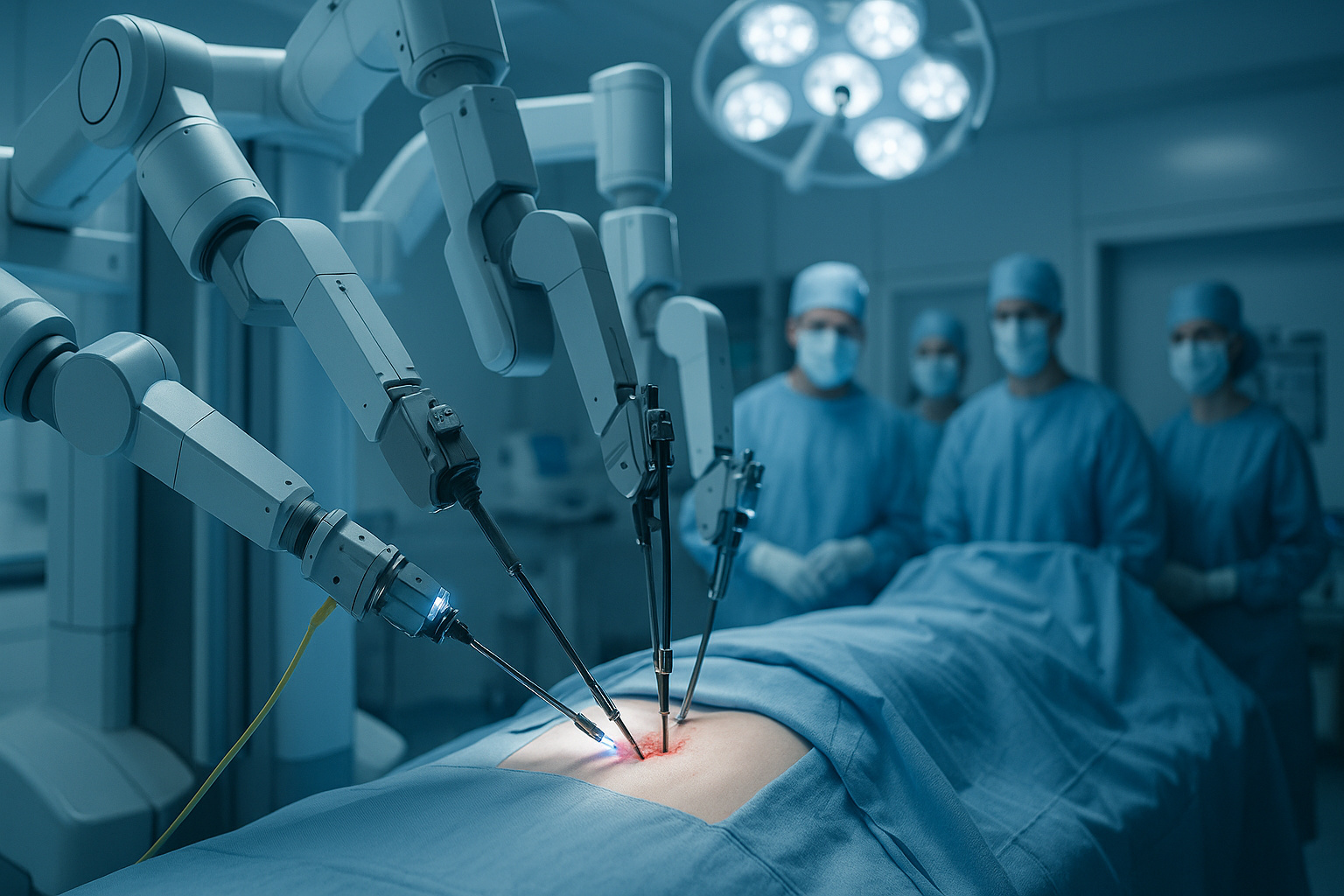
Robotic Surgery Offers Greater Safety, Accelerated Recovery, and Superior Functional Results, Transforming Prostate Cancer Treatment by Reducing Pain, Bleeding, Post-Operative Impact, and Preserving Continence and Sexual Function in an Unprecedented Way
A robotic surgery is consolidating itself as one of the most important milestones in modern prostate cancer treatment, especially for combining advanced technology, less aggression to the body, and significantly better post-operative results. According to a report by Jovem Pan, this technique represents a profound change in how doctors and patients approach the disease, as it offers more precision, less pain, and much faster recovery.
Right from the start, it is important to understand that, contrary to what the name suggests, the robot does not act alone. It functions as a precise extension of the surgeon’s hands, who operates from a console while controlling articulated arms capable of performing movements impossible for the human hand. Because of this, the system eliminates natural tremors, enhances the field of vision, and allows for a superior range of motion of 360 degrees, ensuring delicacy in an extremely sensitive and hard-to-reach anatomical region.
How the Surgery is Performed and Why It Causes Less Pain and Bleeding
The technique uses small incisions in the abdomen to insert a high-definition camera and articulated surgical instruments. This minimally invasive access, combined with enhanced three-dimensional vision, reduces surgical trauma and increases the safety of the procedure. Additionally, the stable and millimetric control of the robotic arms allows for more delicate movements, which decreases the risk of injury to nearby structures, such as nerves related to urinary continence and sexual function.
-
Helicopter Drops 180 Tons of Sand and Gravel on Swedish River to Revive Ecosystem Damaged by Decades of Exploitation

-
Brazilian Company Launches Retro Smartphone with 48 MP Camera, T9 Keyboard, and Privacy Features for Social Media-Free Use

-
Self-Taught Chinese Farmer Builds 5-Ton Submarine from Scrap, Launches It in Anhui River
-
Invisible Induction Technology Enables Wireless Power for Blenders, Coffee Makers, and Air Fryers, Reducing Countertop Cables





Among the advantages that have most impacted patients are:
- Less bleeding during the operation
- Less pain in the post-operative period
- Accelerated recovery and early return to activities
- Greater preservation of urinary continence
- Better maintenance of sexual function
According to specialists cited in the Jovem Pan report, the observed numbers are consistent and encouraging. In many services, including reference centers in Brazil, the rates of complete tumor removal reach 95%, while the preservation of urinary continence reaches almost 100% of patients. The maintenance of erections occurs in approximately 90% of cases, which demonstrates the impact of the method on quality of life after treatment.
Robotics Integrated with Artificial Intelligence and Personalized Care
In addition to its direct benefits in surgery, robotics is integrated into a larger context that combines technology, data, and personalization. Today, algorithms and artificial intelligence systems assist in the interpretation of imaging exams, the genetic analysis of tumors, and even in choosing the best treatment strategy for each case. In this way, robotic surgery becomes just one piece of an ecosystem that improves decision-making, reduces complications, and prioritizes functional preservation.
Even with so many advances, early diagnosis remains the main success factor in the fight against prostate cancer. Tests such as PSA and rectal exams continue to be essential, as they identify the tumor in its early stages — a time when the chances of cure are higher and treatment options are varied, including active surveillance, radiation therapy, or robotic surgery.
The increased use of surgical robots in Brazil represents a paradigm shift in care for male patients. As reinforced by the content published by Jovem Pan, the technology not only increases the precision of the surgery but also reduces the emotional and physical impact of treatment, ensuring greater safety, better quality of life, and a much faster recovery.
A New Standard of Treatment to Preserve Quality of Life
As robotics spreads in reference hospitals, it becomes evident that we are witnessing a historic transition. The union of advanced technology, early diagnosis, and specialized teams establishes a new standard of oncological care. For men diagnosed with prostate cancer, this means less pain, lower risk of sequelae, and a real chance to regain routine with confidence and autonomy.




-

1 person reacted to this.