






 Portuguese
  Spanish


Climate change should be fought by renewable energy — but now the climate itself is harming the sources that should save us
It seems like a contradiction, but the data confirms it. Excessive heat reduces the efficiency of solar panels. Increasingly violent winds force wind turbines to shut down for safety. Extreme rains flood entire plants.
According to a report by the Energy Research Company (EPE), linked to Brazil’s Ministry of Mines and Energy, climate change increases solar incidence, but simultaneously raises temperatures that degrade the efficiency of photovoltaic modules.
It is the most uncomfortable paradox of the energy transition: the climate crisis is sabotaging the very tools humanity created to face it.
-
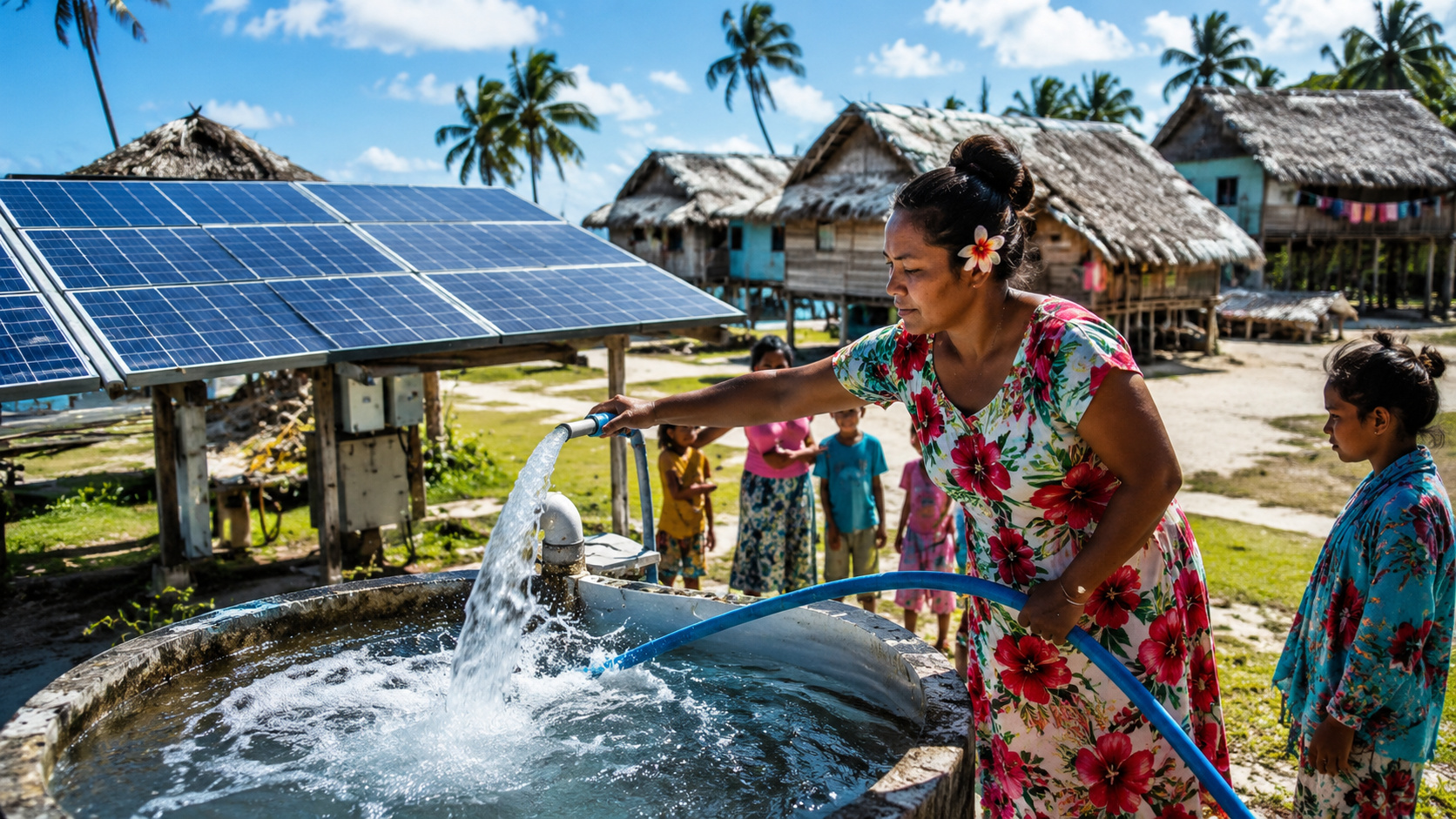
More than 1,000 residents of a remote island in Kiribati now have clean water and electricity with solar systems operated by the community itself.

-
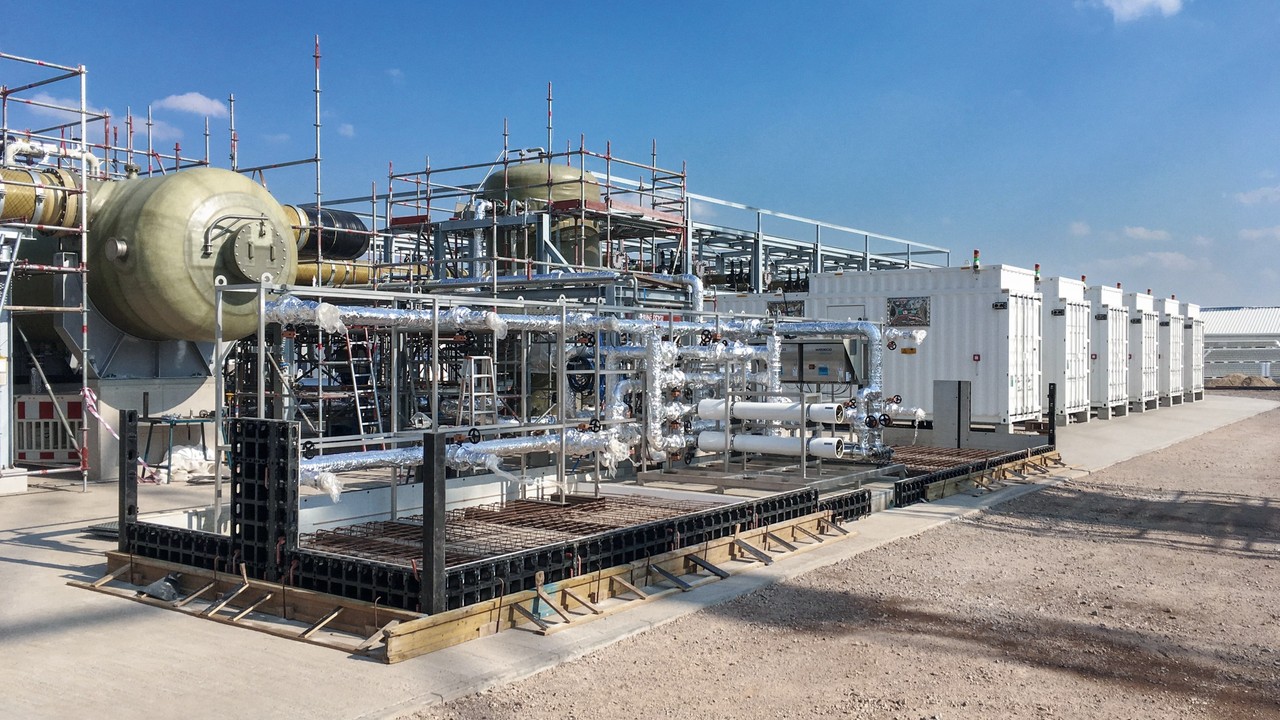
Ceará brings together 7 giants and R$ 66 billion to transform Pecém into the largest green hydrogen hub in Brazil, with final decisions expected by the end of 2026.

-
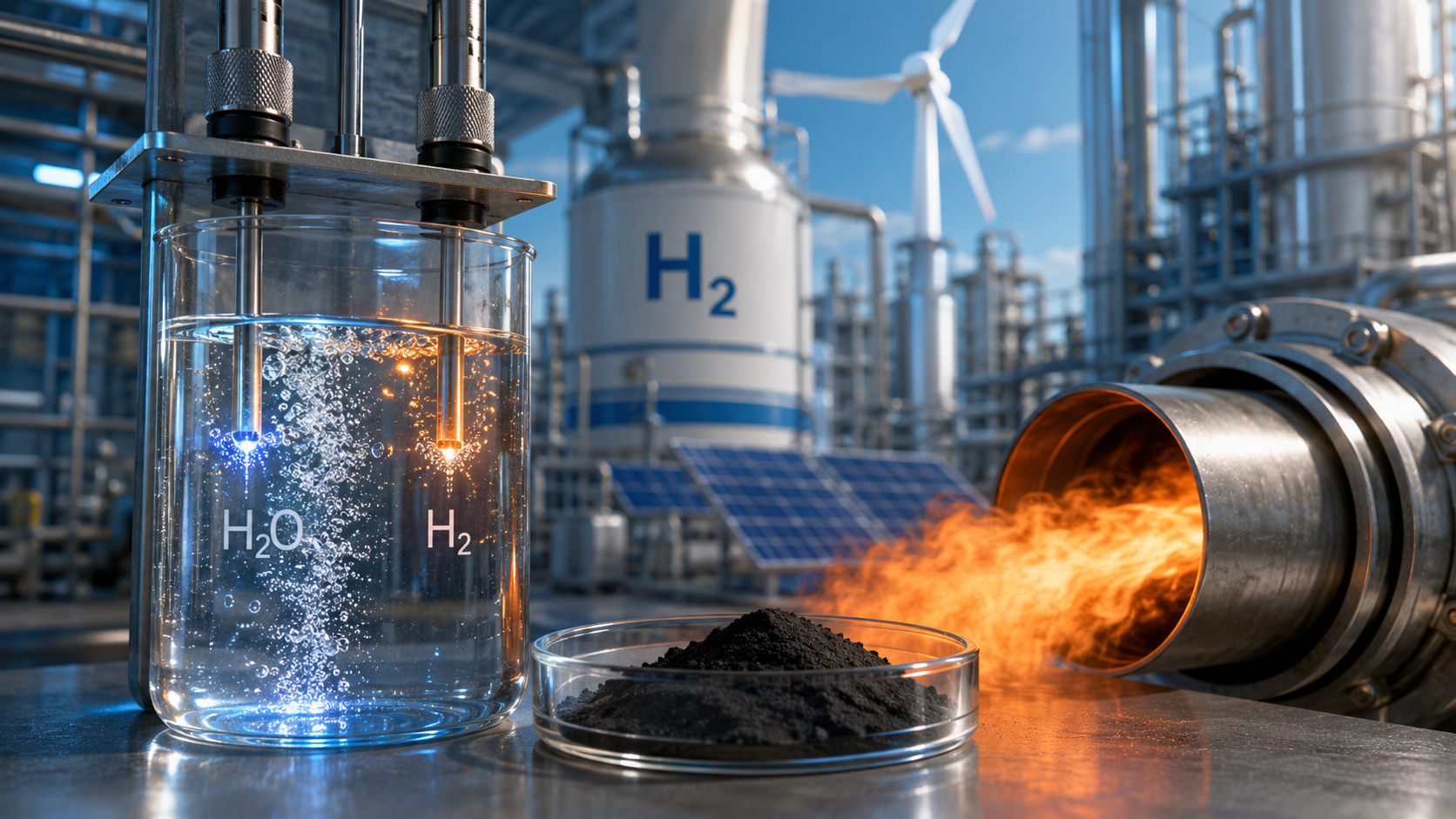
Scientists Convert Factory Waste Heat into Hydrogen Using Perovskite Catalyst at Significantly Lower Temperatures
-
Airbus and MTU Launch Joint Venture to Advance Hydrogen-Powered Electric Aircraft Engines, Paving the Way for a New Era of Low-Emission Commercial Aviation

The hotter the sun shines, the less energy the panel produces
Solar panels work best in mild temperatures, between 20°C and 25°C. When the thermometer goes above 35°C, the internal electrical resistance of the photovoltaic cells increases.
This means that precisely on the sunniest and hottest days, panels lose efficiency.
Each degree above 25°C reduces generation by up to 0.5%. In a 45°C heatwave — increasingly common — the loss can reach 10% of production.
In addition to the immediate drop in generation, extreme heat accelerates the degradation of internal materials. Welds weaken. Sealing polymers crack. The panel’s lifespan, designed for 25 years, shortens.
In Brazil, an unprecedented INPE study projects an increase of 2% to 8% in solar incidence across most of the territory in the coming decades. More sun seems like good news — but the accompanying temperature nullifies part of this gain.

Too much wind is also a problem: turbines shut down when they should be working most
Wind turbines are designed to operate in winds between 12 and 90 km/h. When gusts exceed this limit, automatic sensors lock the blades and shut down the generator.
This is a safety measure. Forcing the turbine during extreme winds can break 80-meter long blades — each weighing 35 tons.
The problem is that extreme weather events are becoming more frequent. Hurricanes, extratropical cyclones, and severe storms generate winds that easily exceed 120 km/h.
According to IPCC projections cited by pv magazine Brasil, regions such as the Southeast, South, North, and Northeast of Brazil are expected to face a significant increase in the frequency of severe winds in the coming decades.
Ironically, more wind should mean more energy. But when the wind exceeds the limit, the turbine stops.
Extreme rains, hail, and floods: the other invisible enemy
It’s not just heat and wind. Extreme precipitation events — 100 mm of rain in an hour, golf-ball-sized hail, sudden floods — cause direct physical damage.
Solar panels can withstand small hail, but larger ice stones crack the tempered glass, rendering entire modules useless.
Floods submerge inverters and electrical panels, expensive components located on the ground. An entire solar plant can be offline for weeks after a flood.
In the case of wind turbines, atmospheric discharges — lightning — are a constant threat. A direct lightning strike can ignite the nacelle, 100 meters high, where the generator and electronic systems are located.

In the Amazon, drought brings more sun — but takes away the water needed to clean panels
INPE researcher, Rodrigo Costa explains that projection maps show an increase in solar incidence in the Amazon region. But this increase is directly associated with reduced precipitation.
“The variations found for solar incidence are consistent with studies evaluating the impact of climate change on temperature and precipitation,” Costa stated.
In practice, solar panels in the Amazon will receive more light — but also more dust, soot from wildfires, and suspended particles. Without rain to naturally wash the modules, accumulated dirt blocks radiation.
Commercial plants depend on water for periodic cleaning. In prolonged droughts, this water is simply not available.
It’s another paradox within the paradox: drought increases the sun, but reduces the ability to harness it.
What Brazil can expect: more energy, more risk
CMIP6 climate models analyzed by Brazilian researchers project an increase of up to 6% in solar radiation during spring and 3% for the rest of the year across practically all of Brazil.
This should be great news for the solar sector. But the EPE report warns that gains in irradiation may be partially nullified by efficiency losses caused by rising temperatures.
- More solar irradiation (+2% to 8%) — theoretical generation gain
- More heat — efficiency loss in modules (up to 0.5% per degree above 25°C)
- More droughts — dust accumulation, less water for cleaning
- More severe winds — turbine shutdowns, structural damage
- More extreme rains — floods, hail, short circuits
The balance may even be positive — more energy generated overall. But risks and maintenance costs will rise considerably.

The solution is not to give up on renewables — it’s to adapt them
Despite the paradox, no expert suggests abandoning solar or wind energy. What the data shows is that projects need to be redesigned to withstand the climate they themselves help combat.
More robust turbines, with higher wind limits. Panels with heat-dissipating coatings. Elevated plants to avoid floods. Dry cleaning systems for drought regions.
Solar energy still reduces greenhouse gas emissions, combating climate change in the long term. The net benefit remains positive.
But ignoring the climatic impacts on renewables would be repeating the mistake of blindly trusting a technology without understanding its limits.
Are the solar and wind projects approved today already sized for the climate of 2050? Or are we building the infrastructure of the future with the parameters of the past?


