Portuguese
  Spanish


Learn More About Coca-Cola FEMSA’s Investment. The Expansion Will Bring Two New Production Lines and More Jobs to the Region.
The industrial sector of São Paulo celebrates a significant piece of news: Coca-Cola FEMSA announced a investment of R$ 600 million in its factory in Mogi das Cruzes.
The massive financial contribution, which ranks among the largest by the company in Brazil, aims to modernize and expand the production capacity of the unit, which is already considered the main and most strategic facility of the company in the country.
This new development not only reinforces the presence of the beverage giant in the region but also promises to significantly boost the local economy, with the generation of new jobs, capital injection, and the use of cutting-edge technology.
-
Brazilian Executive Takes Helm of Heineken Amid Decline in Sales: 51-Year-Old Has Led Operations Across Four Continents and Managed a $7 Billion Empire

-
Brazilian Actress Turns Waxing Clinic into 400-Unit Chain with $50 Million Revenue, Sells Stake After 13 Years
-
Major Company Shuts Down 70-Year-Old Factory in Brazil, Relocating Production and Impacting Over 100 Families
-
Toyota Shuts Down Brazilian Plant After Producing Over 1 Million Vehicles, Plans Special Destination for Final Corolla Produced Following $2.1 Billion Investment and Expansion.


Mogi das Cruzes Establishes Itself as a Coca-Cola FEMSA Innovation Hub
The modernization of the factory in Mogi das Cruzes, where the company has had a solid presence for over two decades, represents a giant leap in terms of technology and production capacity.
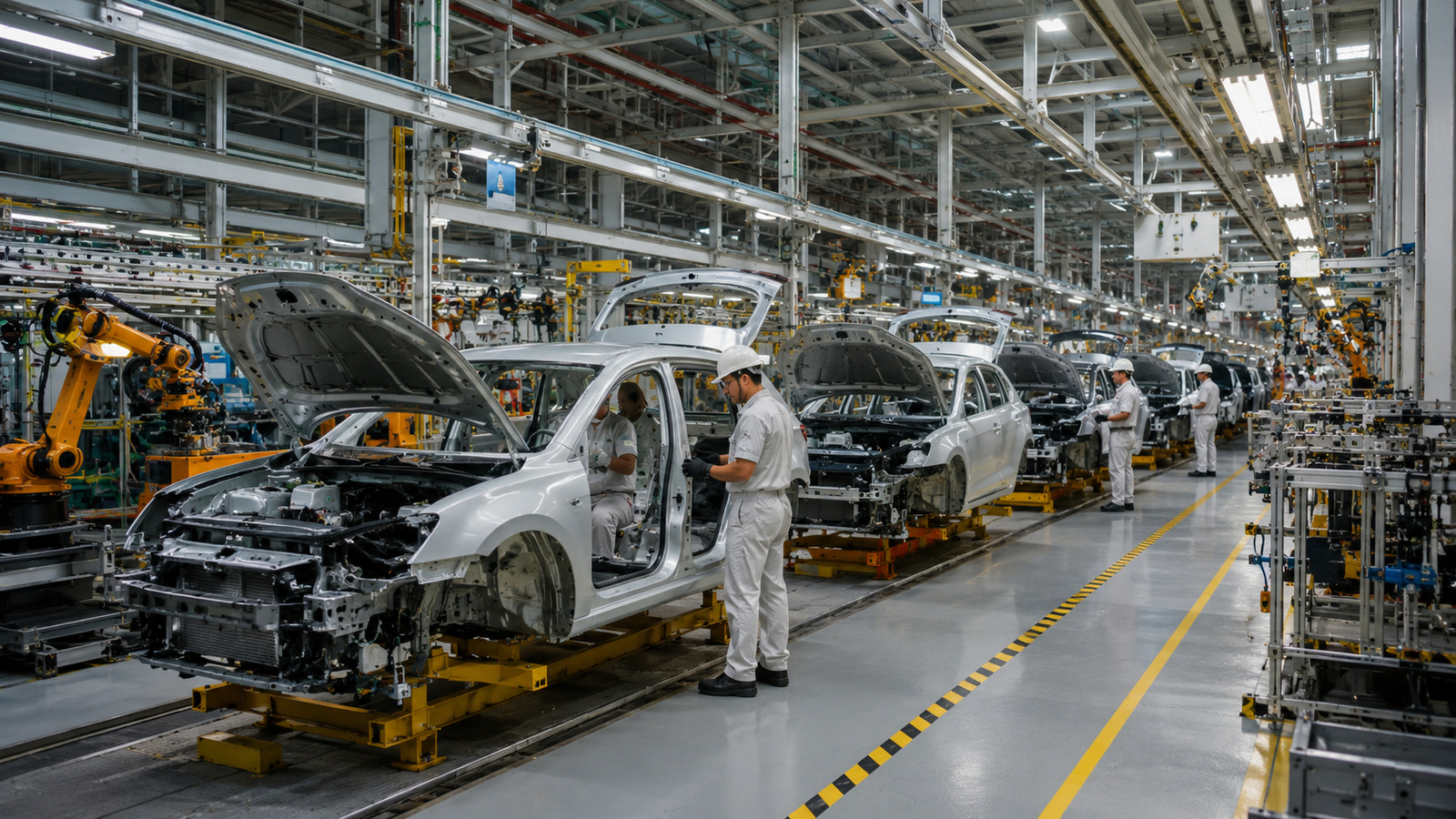
The project includes the installation of two new soft drink production lines between October and December of this year, which will revolutionize how the unit operates.
These state-of-the-art production lines are not just an addition of machines; they represent the incorporation of a new standard of efficiency, automation, and quality control, allowing the factory to meet the growing demand for its products with greater agility and volume.
The expansion also has a direct social and economic impact, as the expansion of the unit is expected to generate 85 new jobs.
These job positions are an injection of optimism for the local population, offering opportunities at one of the world’s largest companies and strengthening the job market in the region.
The arrival of the new production lines will require skilled professionals to operate the equipment, which can also boost the development of new technical skills within the community.
According to Mario Cesar Schafaschek, the company’s Supply Chain Director, the decision to invest in the Mogi das Cruzes factory highlights the strategic role of the unit.
“The Mogi das Cruzes facility plays a strategic role for the company and for the Coca-Cola System in Brazil. We are very optimistic about the arrival of the new lines, with a high level of technology that will bring great efficiency in resource use. This expansion reinforces our commitment to the sustainable development of the region,” detailed the executive.
Commitment to Sustainability and the Future
Schafaschek’s statement underscores a crucial point that goes beyond profit and production: Coca-Cola FEMSA’s concern not only with increasing capacity but also with sustainability.
The new technology to be implemented seeks to optimize resource use in unprecedented ways, such as water and energy, aligning the company’s growth with more eco-friendly and responsible practices.
In a global scenario where sustainability has become a fundamental pillar for any company, this commitment is a sign that Coca-Cola FEMSA is attuned to the demands of the future. The new unit will be more efficient and, consequently, more environmentally friendly, which is a benefit for the entire community.
The investment of R$ 600 million is a clear sign of the multinational’s confidence in the potential of the Brazilian market and in the capability of its team in Mogi das Cruzes.
The factory, which is already one of the pillars of Coca-Cola’s production in the country, establishes itself as a center of innovation and a driver of regional development, contributing to the economy and employment in the area.
The modernization will bring greater competitiveness, increased agility in distribution, and, in the end, a product of even higher quality for the consumer.