






 Portuguese
  Spanish





Senate Hearing Exposes Criticism from Jurists Regarding Bill 4/2025, Reveals Concerns About Rollbacks in the New Civil Code, and Reinforces the Dispute Between Legal Modernization and Risks to Legal and Family Security
The Temporary Commission for Updating the Civil Code held a hearing on Thursday, November 13, 2025, marked by strong criticism and concerns from experts.
The meeting gathered professors, jurists, and representatives from the productive sector to analyze the impacts of the Bill 4/2025, which proposes a comprehensive revision of Brazilian civil laws.
Under the presidency of Senator Rodrigo Pacheco and with direct oversight from the rapporteur Veneziano Vital do Rêgo, the session highlighted sensitive points of the proposal and raised questions about potential rollbacks.
-
Are Companies Required to Release Employees During Brazil’s World Cup Matches? Understanding Workers’ Rights

-
Brazilian Family’s Homeschooling Success Sparks International Debate: Daughters Read 30 Books Annually and Speak Multiple Languages

-
Piauí Governor Enacts Law Requiring State Contractors to Reserve Jobs for Former Inmates with Minimum Wage and Verification Before Payment
-
Providing Your Tax ID at Supermarkets: A Routine Step That Can Unlock Discounts and Rewards but Also Reveals Your Shopping Habits


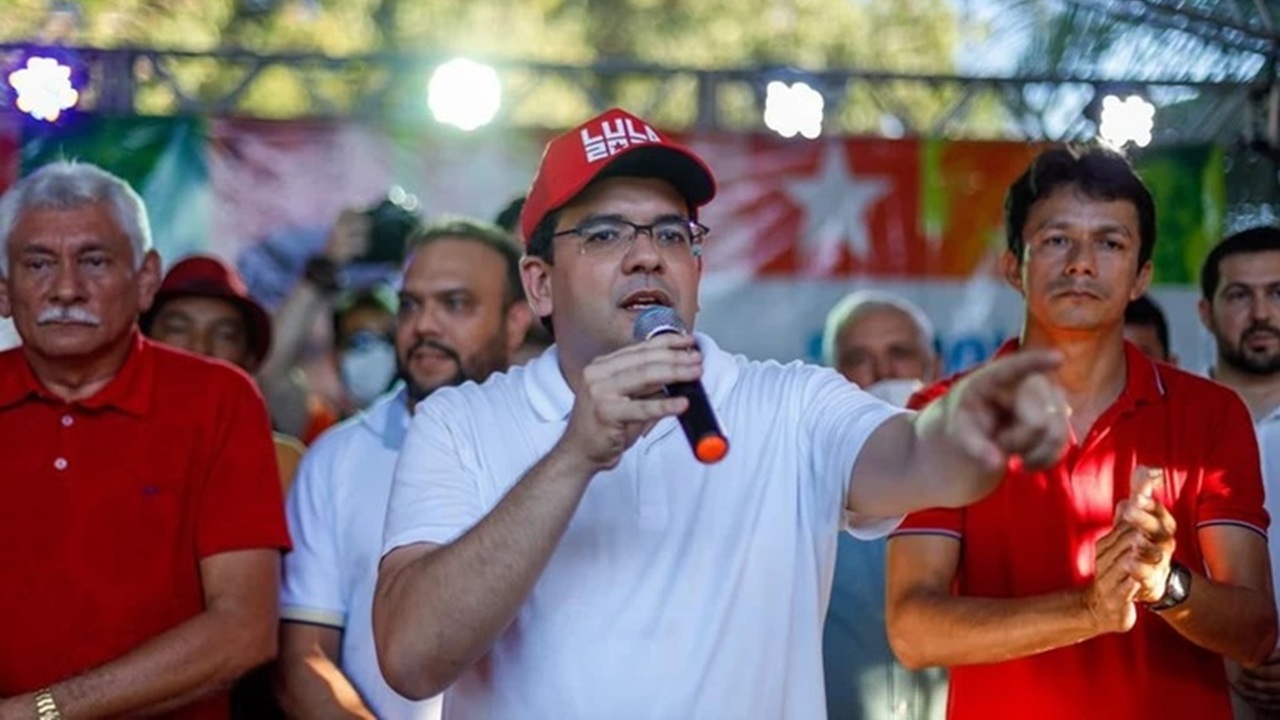

Pacheco stated that the contributions received will be analyzed responsibly. He reinforced that modernization is necessary but noted that the text must avoid clashes with recently passed laws by Congress, such as the Insurance Law and the Legal Framework of Guarantees.
According to the senator, changes involving technology and contracts require caution because they touch upon areas in constant transformation and impact essential economic activities.
During the hearing, the most recurring criticism was the risk of increased litigation.
Experts warned that certain changes, instead of generating legal security, could amplify judicial disputes and create insecurity for companies and citizens.
The debate exposed deep divergences between the authors of the draft and professionals who work daily with contracts, arbitration, and litigation.

Jurists Point Out Risks in the Contractual Part
Among the invited guests, the vice president of the Brazilian Arbitration Committee, Guilherme Carneiro Monteiro Nitschke, presented a strong analysis of the impact of changes in contracts and conflict resolution mechanisms.
He stated that the articles addressing arbitration and so-called commitment contracts bring clear rollbacks.
For him, requiring that specific clauses be submitted to arbitration or the Judiciary for price determination, for example, creates more bureaucracy and ignores solutions already established in the current Code.
Nitschke also mentioned that the text of Bill 4/2025 ignores recent special legislation, which already regulates various points addressed in the proposal.
In his view, the new Civil Code should eliminate provisions that conflict with other norms to avoid contradictions and legal insecurity. The expert also warned that arbitration, a tool that enhances agility and reduces litigation costs, could lose effectiveness if the changes are approved.
Attorney Judith Martins Costa, representative of the National Confederation of Industry, reinforced this concern. She emphasized that the text, as it stands, could impact private investments, reduce confidence, and affect strategic sectors like infrastructure.
Judith stated that the commission needs to weigh the implications of the changes to prevent the country from facing economic contraction in areas that depend on contractual stability.
Ambiguous Points and Vague Concepts Raise Concerns
Attorney Rinaldo Mouzalas presented examples of practical problems. He cited situations involving guarantors and creditors that could generate conflicts because the Bill does not clearly define who has priority if distinct actions proceed simultaneously. These gaps, he said, need to be addressed within the proposal or at least have paths indicated by the legislator.
For attorney Rodrigo Cavalcante Moreira, another identified risk lies in the limitation of adhesion contracts.
He stated that the text interferes with the parties’ freedom and could encourage litigation by restricting common negotiation models. The insecurity could drive entrepreneurs away and compromise relationships that depend on predictability.
The harshest criticism came from attorney Cristiano de Souza Zanetti. He argued that the project should be shelved because it presents vague concepts such as social function, parity, symmetry, and public order.
He argued that contracting parties need to understand precisely how to behave to comply with the law, and the terms used by the Bill hinder this understanding. Zanetti stated that the text threatens private autonomy and fosters litigation.
Defenses, Counterpoints, and the Need for Adjustments
Jurist Rosa Maria de Andrade Nery, rapporteur of the original draft, presented counterpoints to the criticisms and defended some of the contested terms.
She stated that concepts like social function are part of the tradition of Civil Law and already exist in the current Code. However, she acknowledged that some provisions may need adjustments before the final draft.
For her, expressions like symmetry and parity are already used in legislation without causing interpretative harm. Still, she admitted that she would prefer not to include them in the text, but she does not believe they represent concrete risks to legal security.
Attorney Pedro Zanette Alfonsin highlighted that the project is still under development. According to him, the legislative process is democratic and involves listening to various segments of society.
Alfonsin reinforced that the new Civil Code will not come into effect immediately and that adjustments will be made as the hearings progress. He urged the Senate to reassure the population, reminding that no structural changes will be approved without broad debate.
Modernization of the Civil Code: What Bill 4/2025 Proposes
As the Senate discusses criticisms and advances, the text of Bill 4/2025 presents broad objectives of regulatory updating.
The proposal alters more than nine hundred articles, includes three hundred new provisions, and reorganizes themes that directly affect civil life. The main focus is to modernize legislation to keep pace with technological, social, and economic changes from the past twenty years.
One of the project’s pillars is the creation of a Book dedicated to Digital Civil Law. The text acknowledges that contemporary life involves virtual identity, damages caused by technology, digital consumer relations, and new formats of social interaction.
The inclusion of this theme aims to protect fundamental rights and ensure security in the use of technology for business and personal relationships.
Another highlight is the simplification of divorce, inheritance, and asset division processes. The authors argue that current bureaucracy leads to emotional wear and tear, increases costs, and hinders the necessary speed during the most delicate moments of life. Modernization, they contend, should reduce unnecessary procedures and make the system more efficient.
Civil liability also gains new attention. The project proposes adjustments to deal with damages resulting from new technologies, changes in labor relations, and unprecedented challenges brought about by the digital environment. The idea is to ensure predictability in cases that were not imagined when the current Code was developed.
The central justification is to reinforce legal security. According to the proposal, clear rules stimulate investments, reduce litigation, and bring Brazil closer to practices adopted in other countries. This would benefit companies, families, and citizens facing everyday conflicts.
The Controversy Over Succession and the Role of Spouses
Despite the breadth of reviewed topics, the biggest controversy centers on succession. The project proposes to remove the spouse from the list of necessary heirs, leaving only children and parents in this category. The change removes a historical protection created to prevent widows and widowers from being left unprotected after their partner’s death.
In practice, if the project is approved, husbands or wives will only receive a portion of the inheritance if the deceased leaves a will or if the marriage property regime permits some form of property communication.
For many experts, this shifts the responsibility of protecting the surviving partner to the will, increasing risks in contentious or strained family relationships.
Supporters of the proposal argue that the change reinforces the autonomy of will, allowing each person to distribute their assets according to their own criteria. For them, the modification respects the right to make a will and reduces property disputes between families.
However, critics claim that the reality is different. Many people do not make wills, and in the face of emotional loss, the surviving partner may face unfair disputes or property imbalances that compromise their life.
The Human Dimension: Accounts Show Emotional Impact and Vulnerability
Social reactions reflect concerns that go beyond the legal aspect. Accounts from readers show how the proposal directly affects those who built shared wealth and lived decades of stable union or marriage.
One reader of the site stated that she spent forty-four years alongside her husband, building wealth and raising children. After his death, the children tried to exclude her from the inheritance.
She fears that with the change in the law, she could lose everything. According to her account, current protection is the only guarantee of survival.
Another reader emphasized that she has been married for thirty-five years and believes that the law should protect those who dedicated their lives to their partner. For her, excluding the spouse from succession denies the emotional, economic, and social value of a union built together.
In another case, a reader criticized the idea of parents of spouses inheriting property they did not help build. She believes this encourages hasty decisions and weakens marriages, as it creates insecurity for those sharing life with their partner.
There is also an alternative view. A reader reported that his father had assets before the marriage and that the second wife tried to claim part of that wealth.
For him, jointly built assets should be divided with the spouse, but individual assets prior should remain as inheritance for children and parents.
These accounts show that the discussion goes far beyond abstract principles. It involves deep emotions, family trajectories, and the fear of injustices in times of loss.
Conflict Between Modernization and Family Protection
The debate over Bill 4/2025 exposes a central point: how to balance legislative modernization with social protection.
On one hand, there is a need to update concepts, integrate the digital world, and strengthen contracts. On the other, there is the risk of unprotecting people who depend on the legislation to ensure dignity and survival.
The Senate recognizes this tension and promises to hear more segments before finalizing the text. Jurists request technical revisions, companies want predictability, and citizens await signs that their rights will not be diminished.
The Way Forward
Bill 4/2025 will still undergo new hearings, debates, and adjustments. Legislators have stated that no deep changes will be approved without broad dialogue.
The commission emphasized that the final text should seek consensus and avoid rollbacks that could compromise legal security and family balance.
The discussion continues, and the country watches closely. After all, the new Civil Code could define not only legal norms but also principles that shape human relationships, contracts, assets, and how lives are reorganized after moments of rupture and loss.


