






 Portuguese
  Spanish


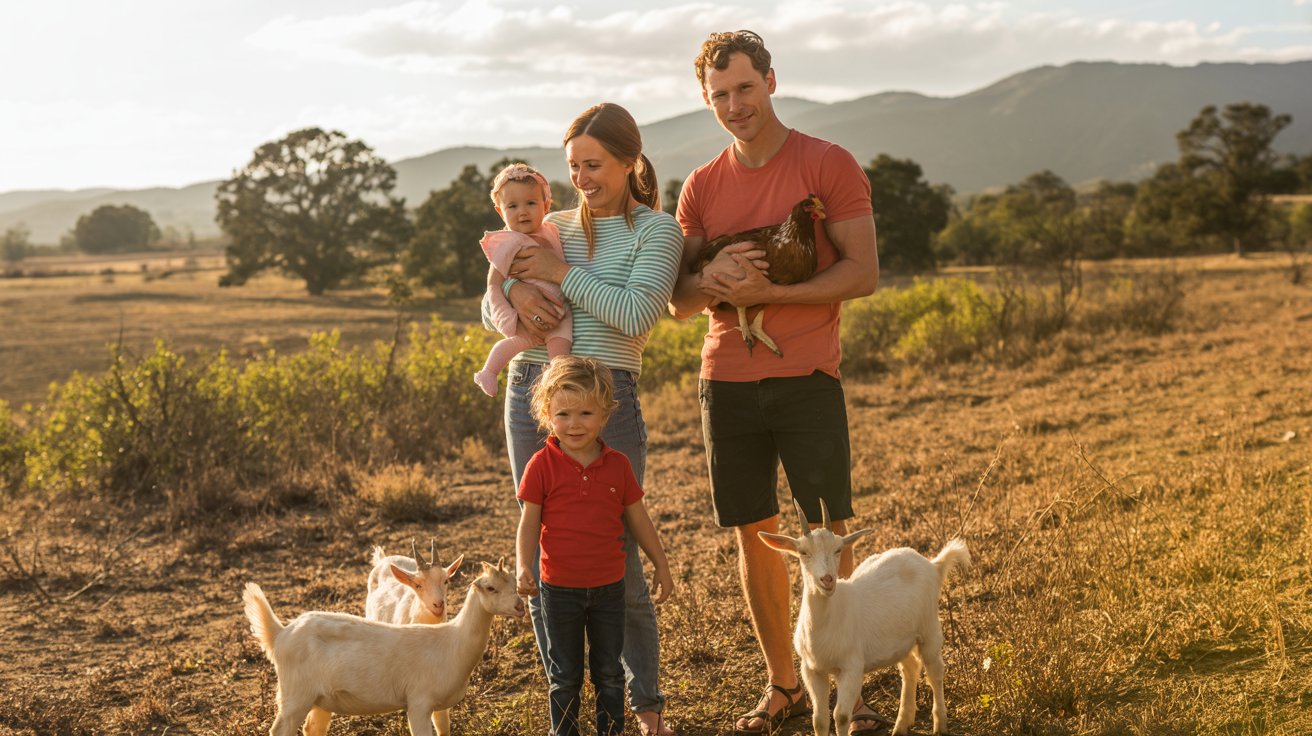


Family Leaves Urban Life And Organizes Routine On A Farm In Southern Minas, Where Organic Crops, Raising Animals, And Isolation Shape Daily Life.
In a rural area of Delfim Moreira, in southern Minas Gerais, the resident from Paraná Marinaldo Pegoraro, 54 years old, runs the Serra Dourada Farm alongside his wife, Cilmara, and their two teenage daughters, including Roberta, now 12 years old.
The family left an apartment in Curitiba about a decade ago and reorganized their routine based on organic plantations, raising animals, and a vegetable garden that supplies their home, in a lifestyle further away from urban centers.
The move was completed in just a few days. In approximately 13 days, Marinaldo sold his stake in a real estate company, ended commitments in the capital, and prepared the family’s migration.
-
Brazil Extracts 12 Million Cubic Meters of Sand for Largest Beach Expansion Project, 82% Complete Along 8.8 km Coastline

-
Bosch Unveils Revolutionary 2.3 kg Hub Motor for E-Bikes with 45 Nm Torque and 400 Watts Power, Eliminating Resistance Above 25 km/h in Historic Shift for German Manufacturer
-
Brazilian Woman Turns 115, Becomes World’s 6th Oldest Person After International Verification
-
Woman Turns Apartment into Storage with 158 Pairs of Shoes and 140 Pants, Accumulating $47,000 Debt Due to Compulsive Buying


The apartment in Curitiba, where they lived for 11 years, was described by him as a space that limited the movement of the daughters.
In a statement recorded at the time, he reported feeling impacted by factors such as urban violence and social inequality, cited by experts as issues that influence the decisions of families seeking places with lower population density.
The intention, he stated, was to replace the routine of the real estate sector with activities related to direct land management.

Organic Cultivation And Farm Routine
On the farm, the routine starts early. Marinaldo and Cilmara share the care of olives, strawberries, and vegetables, grown without the use of pesticides.
The irrigation of the olive plots and the preparation of the strawberry beds require constant attention, adapted to the characteristic terrain of Mantiqueira.
The central garden of the property maintains varieties of vegetables such as lettuce, tomatoes, and kale.
Chickens and small animals complement the production system, providing eggs and inputs for fertilization.
The daughters participate in part of the process. Roberta learned to pick strawberries and care for the animals, a common practice among families engaged in family farming, according to researchers in the field.
The surplus food is used for preserves or traded with neighbors in the area.

Climate, Challenges, And Agricultural Adaptation
The adoption of organic practices required adjustments. The climate in Mantiqueira alternates between periods of rain and drought, affecting crop productivity.
The olive trees, planted on sloped areas, require management methods to prevent erosion.
Marinaldo reports that the initial investments in seedlings, tools, and infrastructure took time to yield returns, a scenario also noted in studies on small-scale organic farming.
Despite the challenges, the farm achieved partial self-sufficiency in food.
Vegetables, strawberries, and eggs are part of the daily diet, while the harvested olives are processed manually.
The first harvest, in 2014, symbolized a new cycle for the family, as reported by the producer at the time.
Geographical Isolation And Service Routine
The distance from urban centers is a component of this way of life. Delfim Moreira is about 470 kilometers from Belo Horizonte by road.
In rural areas like this, according to analyses by geographers and urban planners, access to health and education services often depends on longer travel.
The family makes periodic trips for appointments and commitments. The daughters attend schools in the region, which follow curriculums suitable for the local reality.
To supplement the income, Marinaldo still carries out occasional consulting work in the real estate sector.
The routine on the farm reduces expenses on urban commuting and frequent shopping in supermarkets, according to him.
Other Families Who Followed The Same Path
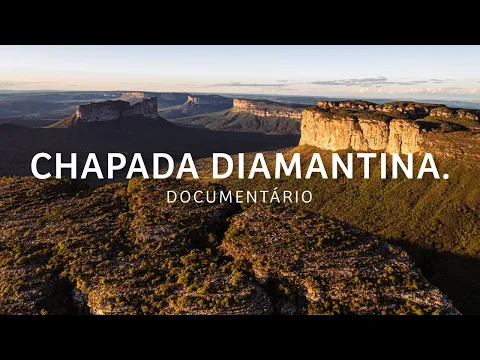
Similar transformations have been recorded in different states. In Piatã, in Chapada Diamantina (BA), the photographer and journalist Manuella Melo Franco described on her blog the move to a farm with her partner and children, after selling material goods.
In Piracaia (SP), the advertising professional Giuliana Capello began living in the Ecovila Clareando, a community known for permaculture and sustainability practices, mentioned in academic studies on Brazilian ecovillages.
Organic Agriculture In The National Context

In the field of organic agriculture, the Serra Dourada Farm is part of a segment that still represents a small portion of the country’s arable land, according to research released by Embrapa.
The institution points to a gradual advance of agroecology and organic production, highlighting family properties and initiatives in mountainous regions, where the diversification of crops and the management of springs are common practices.
In southern Minas, municipal initiatives linked to rural tourism and organic production include properties that, like Serra Dourada Farm, adopt agricultural management adapted to the terrain.
Technical reports mention the use of level plots to prevent erosion and the integration of small animals as a strategy for natural fertilization.
Staying In The Field And Long-Term Project
In recent statements, Marinaldo claims that working the land and observing the natural environment of the region has become a central part of the family’s daily life.
According to him, Serra Dourada Farm has consolidated itself as a long-term project based on the combination of organic agriculture, raising animals, and staying in a rural area.
In light of this scenario, the question arises: what would be the impact of a similar change on the routine of those living in large cities today?


Viv isolados? Sem luz eletrica?
Parem de romantizar! E outra, o MST tanbem cultiva varios ptodutos organicos.
Se viem isolados, imagine os trabalhadores rurais assalariados qur moram no centro oeste?
Muito legal. Meu irmão vive com a família numa fazenda em RS e são auto suficientes em alimentação, só compram arroz e feijão, o resto todo e plantado e colhido por eles. Ele fabrica os próprios móveis e acessórios, porta papel toalha, porta vinhos, e faz os próprios barracão e obras que a fazenda precisa. Tem fruta e vegetais de todo tipo. Uma lindeza só. Meu sobrinho está sendo criado de uma forma super saudável, lindo de se ver.