






 Portuguese
  Spanish


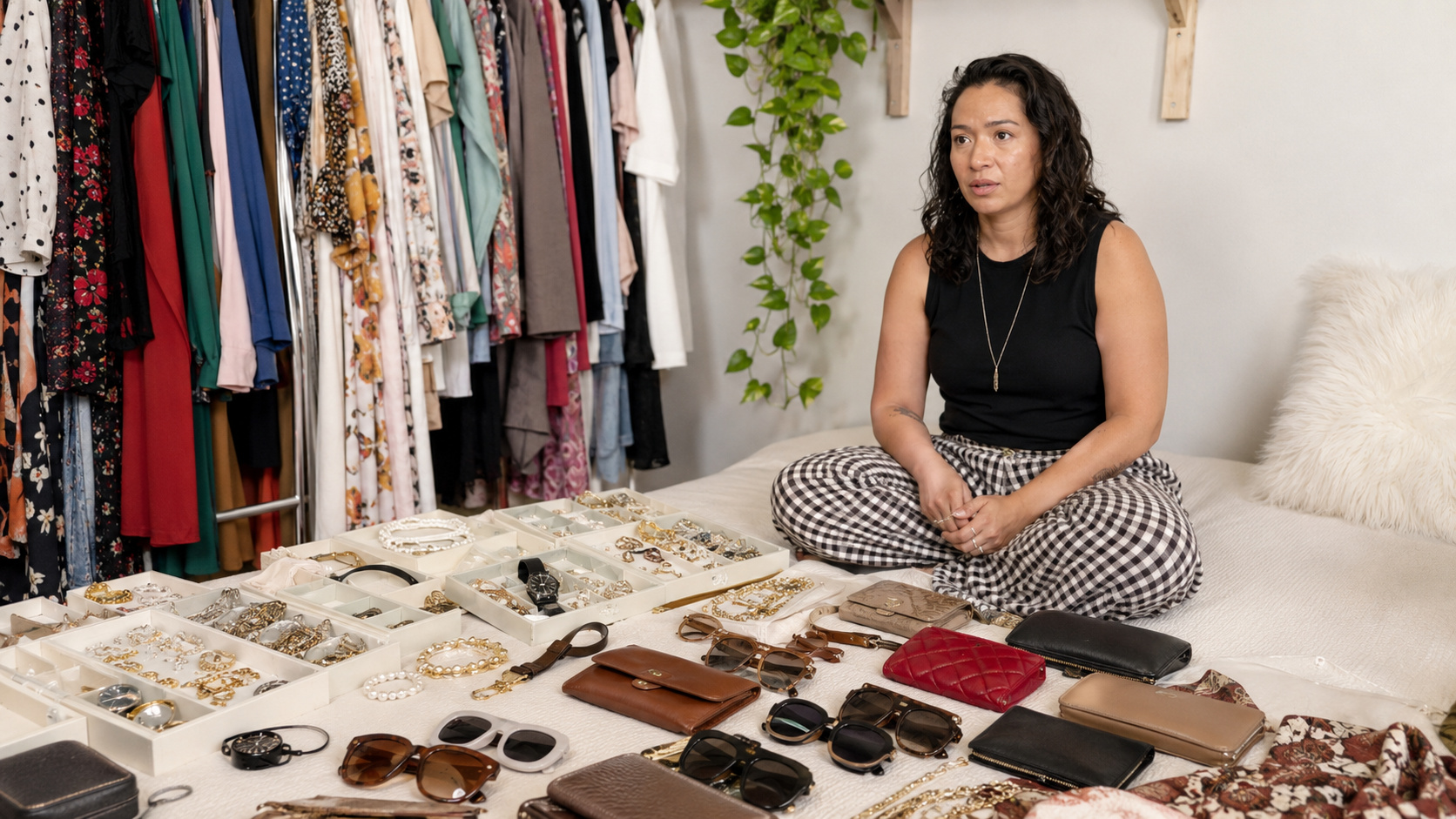
Meet the story of Camila, who turned her own house into a storage of clothes, cosmetics, and never-used objects due to compulsive buying
A reality marked by excessive shopping completely transformed Camila’s life. At 40 years old, she tries to control a compulsion that started in childhood, responsible for straining family relationships, harming her career, and generating debts exceeding R$ 241,000.
Camila’s house began to house clothes with tags, duplicate items, expired cosmetics, unread books, and numerous objects acquired on impulse.
Initially, the hangers could no longer hold so many clothes. Then, two wardrobes became too small, leading Camila to buy racks to distribute the pieces throughout the apartment.
-
Defying Medical Odds for 65 Years, 72-Year-Old Brazilian Acarajé Vendor Continues Family Legacy

-
Brazil’s Most Famous Fish Travels Over 600 km Against the Current, Overcomes Dams with Eco-Friendly Ladders, and Navigates Flooded Rivers in a Remarkable Migration for Reproduction
-
Revive Old Photos: Gemini’s Little-Known Feature Uses AI to Restore Damaged Images in Seconds with a Professional Six-Step Recovery Process
-
Chinese Farmer Builds 5-Ton Homemade Submarine Over a Decade, Capable of Diving 8 Meters with Two Passengers



In total, about 140 pants, more than 100 lingerie sets, and approximately 158 pairs of shoes were counted. Even so, a large part of the products was never used.
Meet Camila’s story
Since childhood, Camila has been buying on impulse. Over the years, however, the behavior grew larger and began to directly interfere with her routine.
The accumulated clothes have different sizes, ranging from size 34 to 44. This happened because the compulsion also began to influence her eating habits and weight changes.
At certain times, when trying to control her shopping, Camila began to eat compulsively. In this way, the behavior was transferred from one activity to another.
The domestic stock also gathered four identical glasses in different colors, dozens of books, and various makeup items. Many cosmetics expired before even being opened.
Some unsellable makeup was donated to a funeral home. The suggestion came from a follower, who indicated the use of the products in the preparation of deceased individuals.
Camila also acquired books that promised to help her stop buying. However, none of them were read, as her attention remained focused on the next purchase.


How compulsive buying affected financial life
The pleasure provided by shopping lasted little. During the purchase, Camila felt euphoria and a momentary sense of power.
Right after receiving the product, however, that satisfaction disappeared. Consequently, she sought a new purchase to repeat the experience.
The stores also acted as triggers. Fragrant environments, organized displays, and visual stimuli further encouraged impulsive behavior.
This condition is known as oniomania, a term used to define compulsive shopping. As explained in the report, its symptoms can resemble patterns observed in other addictions.
As the problem progressed, Camila went from being just a compulsive shopper to accumulating debts. The amount of bills and credit cards exceeded R$ 241,000.
The need to continue buying also led to lies. Her own wedding dress was purchased with the help of a friend and hidden from her future husband.
Moreover, personal relationships were harmed. Camila acknowledges that living with someone dependent is exhausting for both the buyer and family and friends.
Thrift Stores Help Pay Off Debts
Camila worked as a public servant in the state of Goiás. However, she left her career to seek treatment and try to reorganize her own life.
Currently, she organizes thrift stores to sell part of the accumulated items. About 60 dresses have already been sold, although many pieces still remain inside the residence.
Online shopping continues to be a challenge. In one of the deliveries presented in the report, Camila received a cell phone case in the shape of a frying pan.
Immediate access to digital stores increased the temptation. Furthermore, according to Camila, excess has become normalized on social media and in everyday consumption.
Journalism Represents a New Beginning
As part of the recovery process, Camila began sharing her story on social media. In the videos, she uses humor to show the effects of compulsion.
The exposure also serves as a form of awareness. By presenting repeated and never-used products, she demonstrates how the impulse can go beyond the simple desire to buy.
Later, Camila returned to study at campus five of the Pontifical Catholic University of Goiás and chose the journalism course.
The new training revealed a dedicated student, capable of achieving high grades and rebuilding her own self-esteem.
Thus, after years marked by shopping, Camila began to recognize that her identity does not depend on the objects acquired. Journalism became a new purpose and a concrete possibility for a fresh start.





Be the first to react!