






 Portuguese
  Spanish


Jaciara Sacramento Souza, Cici from Amaralina, became a baiana of acarajé as a young girl and is one of the oldest at Largo das Baianas, according to Abam. At 72, she has 65 years of service and keeps acarajé alive in Salvador at the spot her family has occupied for over 80 years.
At 7 years old, a girl from Salvador was given up for lost by a famous doctor in the city. The diagnosis was a sentence, and the advice given to her mother sounded like the end. More than six decades later, this girl is 72 years old, serves customers twice a week, and fries acarajé with her own hands at the same Largo das Baianas as always. Cici from Amaralina not only survived but built an entire life on the board, challenging medicine for 65 years.
The story was told by the Jornal Correio in March 2026, as part of the coverage of the 477 years of the Bahian capital. Behind the affectionate nickname is Jaciara Sacramento Souza, now recognized by Abam as one of the longest-serving baianas of acarajé in Salvador. She represents, in a single body, the faith of candomblé, the resilience of a family, and a living piece of Brazilian heritage, sold hot every Wednesday and Sunday.
“Return the consultation money, she will need it to bury her daughter”
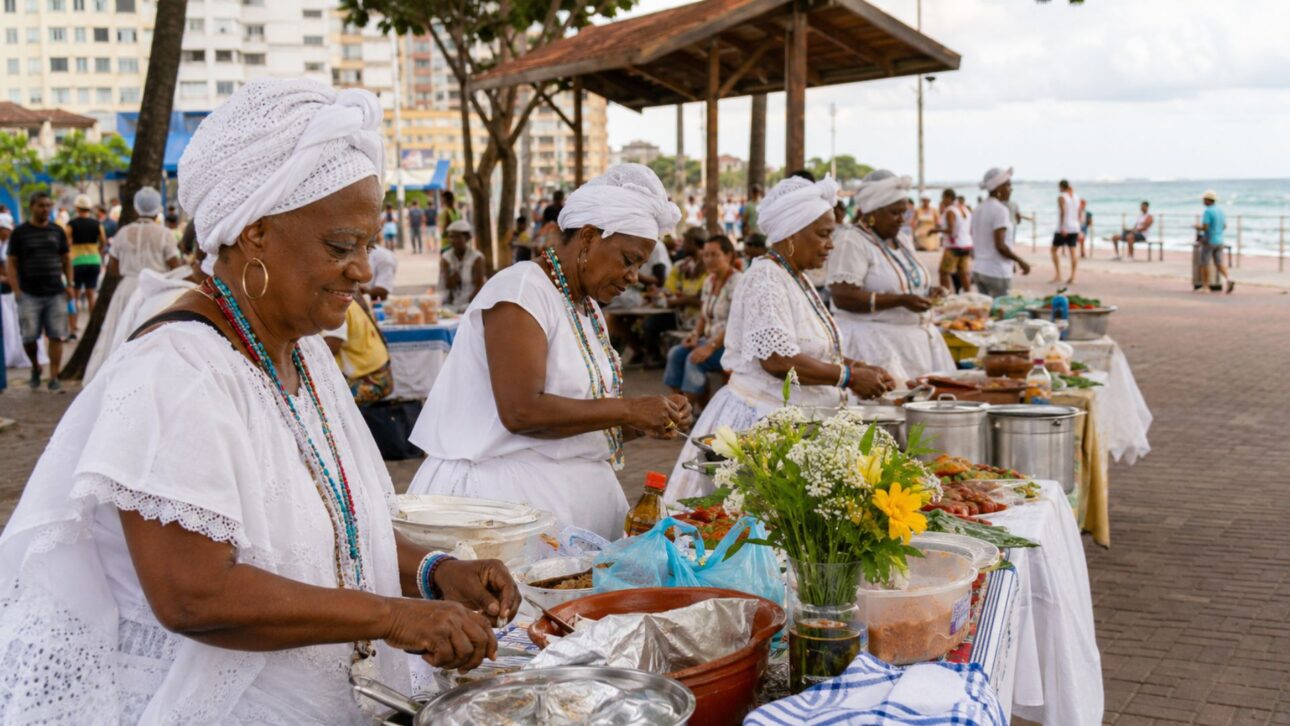
At 7 years old, in 1961, she suffered from headaches and fatigue, and her mother took her to a famous doctor and medium in the city. The verdict was brutal. “Return the consultation money to her mother, she will need it to bury her daughter”, said the doctor, according to her account to Jornal Correio. It was decreed that the girl would not survive beyond that point.
-
Brazil’s Most Famous Fish Travels Over 600 km Against the Current, Overcomes Dams with Eco-Friendly Ladders, and Navigates Flooded Rivers in a Remarkable Migration for Reproduction

-
Revive Old Photos: Gemini’s Little-Known Feature Uses AI to Restore Damaged Images in Seconds with a Professional Six-Step Recovery Process
-
Chinese Farmer Builds 5-Ton Homemade Submarine Over a Decade, Capable of Diving 8 Meters with Two Passengers

-
Brazilian Woman Transforms Ambulance into Solar-Powered Mobile Home for Remote Work and Travel Adventures



What happened next, Cici credits to faith. She says she recovered after a ritual in Candomblé, and from then on the religion began to guide her life. “I was healed and I’m here today alive and healthy, challenging medicine and selling acarajé”, sums up the acarajé vendor, with the ease of someone who has told this story a thousand times. The healing, in her view, came from the terreiro, not the doctor’s office.
This is the emotional knot that makes her journey so strong. It’s not just about a woman who has been working for a long time, but about someone who turned a death sentence in childhood into 65 years of work. Each acarajé she serves silently carries the story of someone who was given up on and stood firm. It’s overcoming in the most concrete form possible, measured in decades behind a stall.
A family of baianas and a spot with more than 80 years
Cici didn’t come to acarajé by chance, she was born into it. Her mother, Antonieta Sacramento, was an acarajé vendor, and her foster grandmother, Maria de Katendê, a priestess of the Katê Espero terreiro, was the one who put her to sell in Amaralina. The profession came from the cradle, passed from woman to woman, as happens with so many families that sustain this tradition in Bahia.
The location also has deep roots. The family’s spot at Largo das Baianas, in Amaralina, has been occupied for more than 80 years, spanning generations on the same piece of ground. There was a time when that square gathered 38 baianas selling at the same time, in a bustling hive of dendê, smoke, and customers that shows how important the place was for the neighborhood.
Occupying the same spot for more than 80 years is no small detail in a city that changes all the time. It’s an anchor of memory, a place the entire neighborhood recognizes, and that Cici de Amaralina keeps standing alone where there were once dozens. Largo das Baianas, today, carries this story of permanence that few businesses achieve.
From the orixá to the stall: how it all began at 7
To understand why she started so early, it’s necessary to understand the weight of the sacred in this story. After the recovery, Cici de Amaralina had to fulfill a six-month obligation to her orixá, a religious commitment that required her own resources. It was this need that pushed her to the stall as a child, selling acarajé to meet the demands of the faith that, according to her, saved her.
The connection makes perfect sense when one remembers what acarajé is. Before being a beach snack, it is sacred food of Candomblé, an offering linked to the orixás, especially Iansã. Selling acarajé, for the traditional acarajé vendor, is also an act of devotion, not just a job. The girl who was healed in the terreiro naturally ended up behind the stall.
Cici’s relationship with religion, however, has had twists throughout her life. She left candomblé in 1998, after the death of her spiritual mother, and today her daughters follow a different path of faith. Her story shows how real life rarely fits in a straight line, and how the tradition of acarajé embraces different paths without ceasing to be what it is.
1976: the pregnancy that cemented the profession for good
There was a moment when acarajé stopped being a temporary obligation and became a definitive livelihood. In 1976, upon discovering she was pregnant, Cici fully embraced the profession. The calculation was simple and impressive: in a single day of work at the stall, she earned the equivalent of a monthly salary. For a mother, it was the difference between tightening and breathing.
This fact says a lot about the economic strength of the profession when well managed. Acarajé in Salvador has never been just culture, it has always been a livelihood, a source of income that has supported generations of black women in the city. For Cici, the stall was what paid the bills, raised the daughters, and provided autonomy, at a time when opportunities were scarce.
The choice of 1976 ended up defining the next five decades. Acarajé in Salvador became the axis of her life, and what started as a solution for a pregnancy turned into the identity of an entire life. Few decisions made in youth prove to be so right at the end of the road.
Cici’s acarajé: caruru, salad, and the tradition that incurs loss
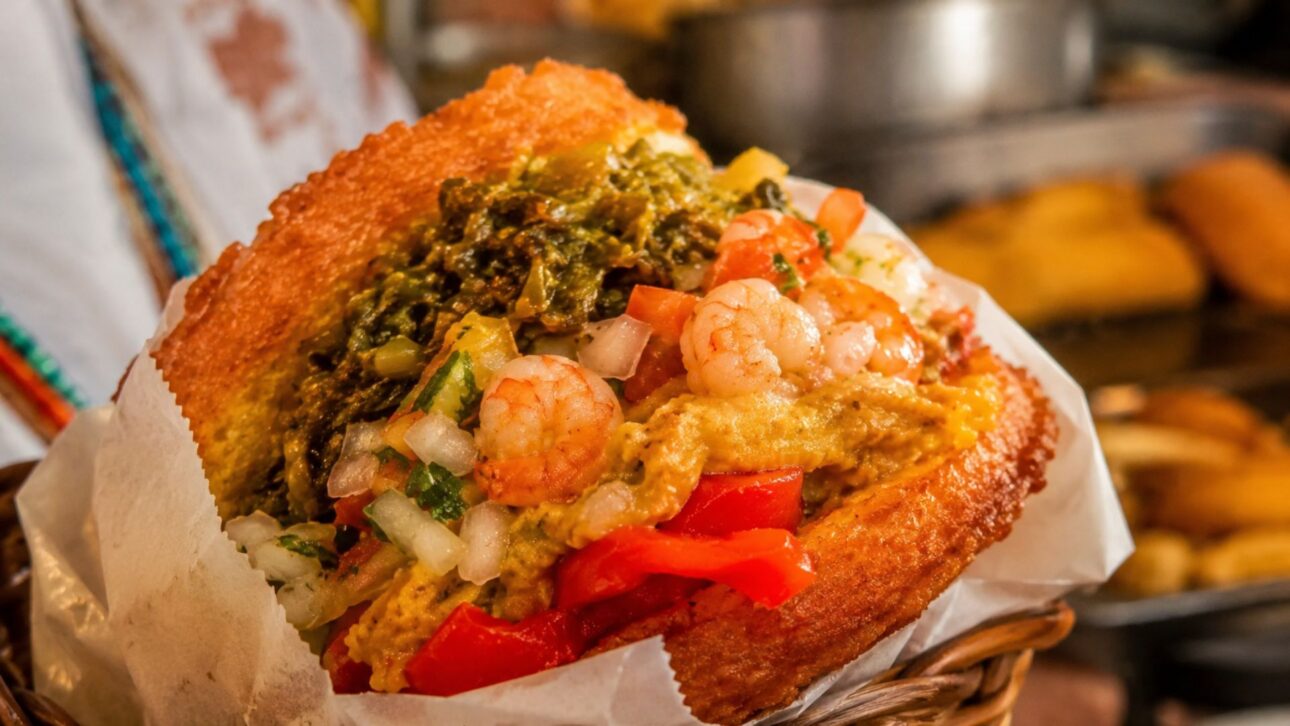
About 50 years ago, she was part of the group of baianas who started putting caruru inside the acarajé, and about ten years later, adding the salad. The filling that many people think has always existed is, in fact, an innovation that she helped create. The baiana of acarajé, here, is also an author of the recipe.
The curious detail is that this tradition is costly for those who maintain it. According to a cost analysis by Abam, the National Association of Baianas de Acarajé, Mingau, Receptive, and Similar, the caruru inside the acarajé represents a financial loss. Even so, Cici insists on keeping the caruru, because for her, removing the filling would betray what acarajé in Salvador has become.
This stubbornness says everything about her relationship with the craft. In a world that cuts costs at any price, she chooses fidelity to tradition even when the numbers don’t add up. It’s the kind of gesture that Abam recognizes and that makes her a guardian, not just a seller. Acarajé in Salvador remains round because women like her refuse to take shortcuts.
Heritage of Brazil: the craft that Cici keeps alive
The profession that Cici has practiced for 65 years is not just any job in the eyes of the country. Since 2005, the craft of the baiana de acarajé is recognized as an Intangible Cultural Heritage of Brazil by Iphan, the institute that takes care of the national memory. Each stand on the streets of Salvador is, officially, a living piece of Brazilian culture. And Abam estimates that the city has about 3,500 baianas in activity.
Within this universe, Cici de Amaralina holds a special place. Abam registers her as one of the oldest baianas de acarajé still active in Salvador, a veteran who has seen the craft change and endure. Today she works twice a week, on Wednesdays and Sundays, opening the stand from ten in the morning, at a pace that respects her age without abandoning her vocation.
Her personal life accompanies the longevity of her career. Married to Porcino de Souza, Cici will reach 50 years of marriage in 2026, with daughters already grown. At 72 years old, she is the living proof that acarajé in Salvador is not just food, it is history, faith, and permanence, all served at the same spot that the family has maintained for over 80 years at Largo das Baianas.
What does Cici’s story teach about resilience?
In the end, the journey of Cici de Amaralina is about stubbornness in the best sense of the word. Given up on at 7, she turned a sentence into 65 years of work, raised her daughters with the income from her stand, and helped write the recipe for the acarajé that Salvador eats today. As long as there is dendê boiling at Largo das Baianas, part of this story continues to be told by her. It is living memory that can be eaten.
And you, do you know any baiana de acarajé or any character from your city who carries this kind of story of resilience and tradition? Share in the comments who this person is, because stories like Cici’s deserve to be remembered while their protagonists are still at the stand.


Be the first to react!