Portuguese
  Spanish


The Invisible Weapon of China: Without It, Factories Close, There Are No Electric Cars or Robots in the World. How a Single Component Became a Threat to the Global Industry
While the West focuses on finding new deposits of rare earth metals, China plays on another board: it dominates the game not only by possessing these minerals but by knowing how to process them. The true Chinese trump card lies in refining and, primarily, in manufacturing high-performance magnets, essential components for sectors such as defense, energy, electric vehicles, and high-tech.
And that is precisely where the problem lies: the world may mine, but without knowing how to refine and transform this resource, it remains dependent on Beijing.
Sanctions, Truce, and Geopolitics: The Tug-of-War Between China and the U.S.
In early April 2025, the United States decided to increase tariff pressure on Chinese products. Beijing’s response was quick and direct: it severely restricted the export of rare earths, shaking production chains worldwide.
-
Engineers Develop Fridge-Sized Machine to Produce 95-Octane Synthetic Fuel from Air and Water, Aiming to Sustain Combustion Engines Without Oil

-
Two-Armed Robot Uses AI to Reassemble Destroyed Pompeii Frescoes, Solving an “Impossible” Puzzle
-
New Law in Brazil Requires Breaks for Type 1 Diabetes Management at Work, School, and Public Exams

-
Scientists Confirm “Greening” of Antarctica: Ice on the World’s Coldest Continent Turns Green as Mosses Multiply Over Tenfold in Four Decades


The measure was only partially softened recently, when China began granting temporary export licenses valid for six months. In return, the Americans offered a symbolic truce: they relaxed the entry of Chinese students into U.S. universities. It’s the kind of exchange that reveals how education and natural resources have become key pieces in the new economic cold war.
Rare Earths: More Than Minerals, a Strategic Weapon
For those who are still unfamiliar, rare earths are a group of 17 chemical elements fundamental to modern industry. They are used in wind turbines, solar panels, smartphones, electric cars, military equipment, and even nuclear reactors.
Despite the name, these minerals are not exactly rare in the Earth’s crust. What makes them strategic is the difficulty and high cost of their extraction and, primarily, their refining. And this is where China comfortably leads.
According to a recent report from the U.S. Geological Survey, China accounts for about 70% of global production and 90% of refining capacity. When it comes to heavy rare earths – even scarcer – China’s control over refining rises to a staggering 99%.
The Bottleneck Is in Refining, Not Mining
What’s the point of finding rare earths if you can’t process them? Countries like Norway and Sweden have announced new deposits and estimate starting exploration by 2030. But time is of the essence: scarcity is already knocking on the doors of automakers, robot manufacturers, and high-tech industries.
Japan, for instance, saw Suzuki suspend part of its vehicle production due to a lack of parts containing rare earths. In Europe, the Secretary General of CLA – the European Automation Suppliers Association – stated in an urgent notice:
“With a deeply interconnected global supply chain, China’s export restrictions are already paralyzing production in the European supplier sector.”
It’s not just about access to ore, but the ability to refine it, treat it, and convert it into high-value products – such as powerful neodymium magnets.
Magnets: The Invisible Treasure Behind the Dispute
It’s not an exaggeration to say that magnets are now one of China’s most effective geopolitical weapons. William Huo, former Intel executive and critic of the Western industrial strategy, summarized it well:
“The West has become so obsessed with optimizing spreadsheets that it has forgotten about factories. Now, it can’t produce a single magnet on its own.”
High-performance magnets are indispensable for electric motors, turbines, guidance systems in missiles, airplanes, satellites, and nuclear reactors. The dependence is so great that, without Chinese supply, the electric vehicle industry literally grinds to a halt.
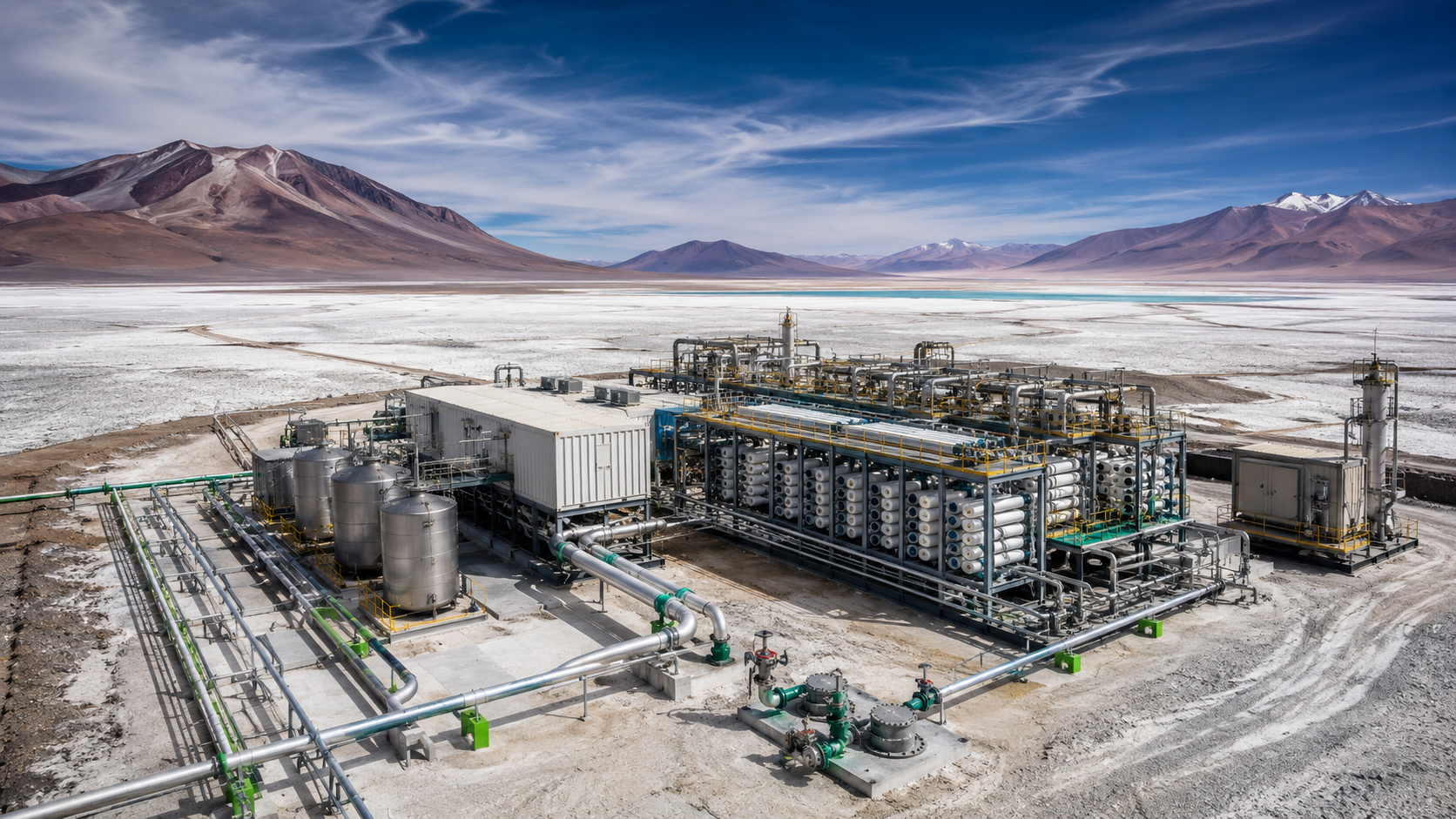
And even if U.S. allied countries find ways to mine rare earths, refining remains the weak link. The process is highly toxic, expensive, and requires extremely skilled labor, in addition to infrastructure to handle hazardous waste.
Education as a Silent Weapon: China’s Bet
While the West hesitates, China trains engineers. According to The New York Times, the Chinese government maintains 39 specialized university programs in the rare earth chemical chain. The goal is clear: to dominate all stages, from mining to the assembly line of magnets.
This is a long-term strategic vision, aligned with the thinking of Deng Xiaoping, who summarized everything in a prophetic phrase back in the 90s:
“The Middle East has oil. China has rare earths.”
The Future Is Tied to the Magnet
The West is trying to catch up, but still stumbles over obstacles. The U.S. plans to invest in local refining, and companies like MP Materials are trying to build internal production chains. However, lacking technical capacity and accumulated knowledge, these initiatives are still in their infancy. See more details on this in this analysis by Reuters.
Meanwhile, China continues to set the global pace, controlling supply, price, and even the timing of essential inputs for the energy and technological revolution.
The race has already begun! The fight for rare earths is much more than a dispute over minerals. It is a silent war for the dominance of the next industrial generation, and in this game, China has already started with a significant advantage.
If you found this content useful, share it with someone interested in technology, geopolitics, or energy. And feel free to leave a comment: does the West still have time to turn this game around?