






 Portuguese
  Spanish


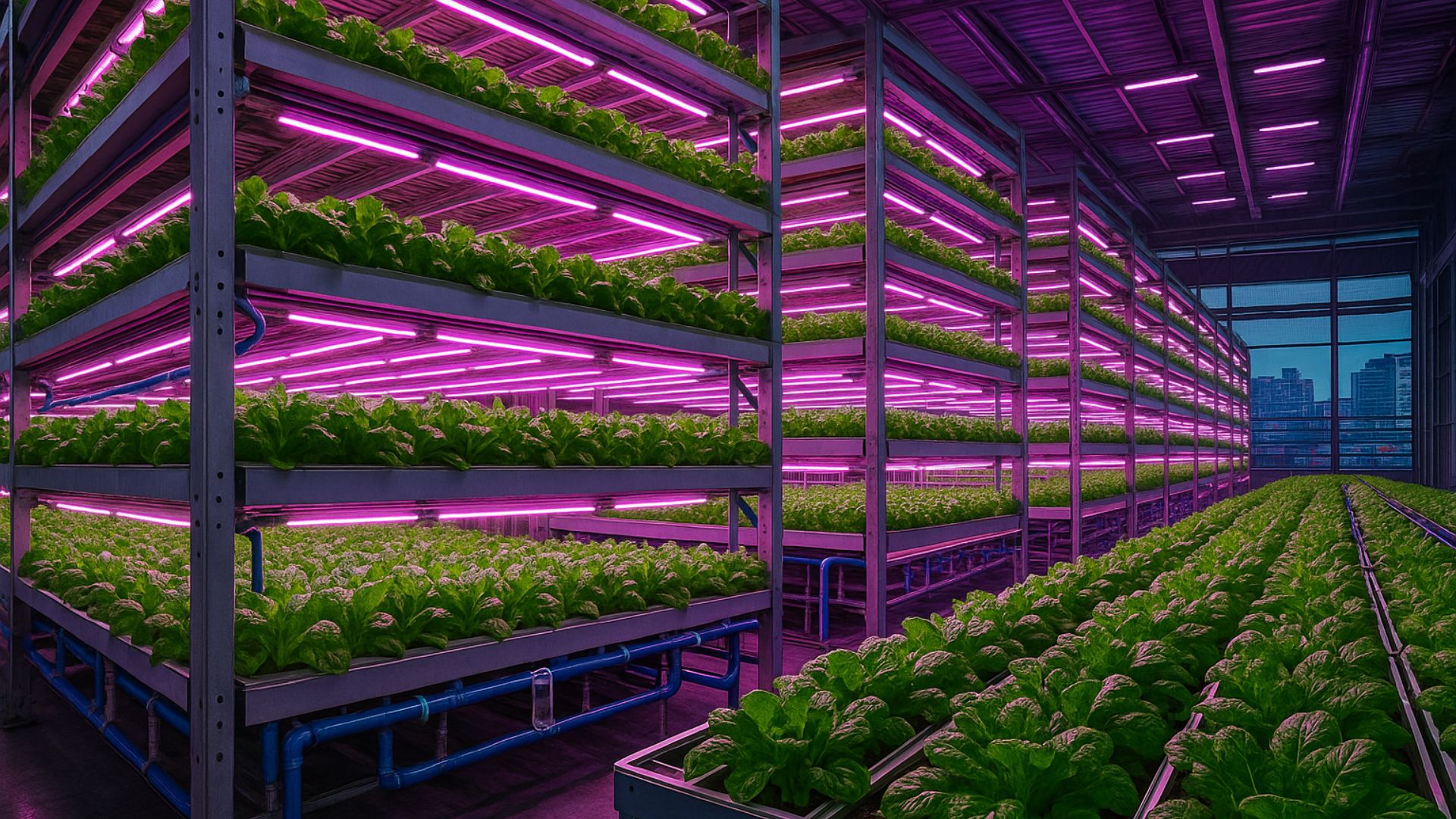


A 750 m² Warehouse on the Marginal Tietê Produces 2 Tons of Lettuce and Herbs Per Month Without Soil, Without Sun, and With Daily Harvest for Supermarkets in the Capital.
Amid the concrete and the incessant traffic of the Marginal Tietê, in Vila Leopoldina, a 750 square meter warehouse houses the first commercial vertical farm in Latin America.
There, Pink Farms operates as a living laboratory, where lettuce, arugula, and aromatic herbs grow in eight-story towers, without a gram of soil or exposure to sunlight.
Founded in 2016 by three engineers – twins Mateus and Rafael Delalibera, graduates in electrical engineering from USP, and Geraldo Maia, a production engineer from UFSCar – the operation transformed an idle urban space into a productive unit that delivers 2 tons of leaves per month directly to supermarkets in São Paulo.
-
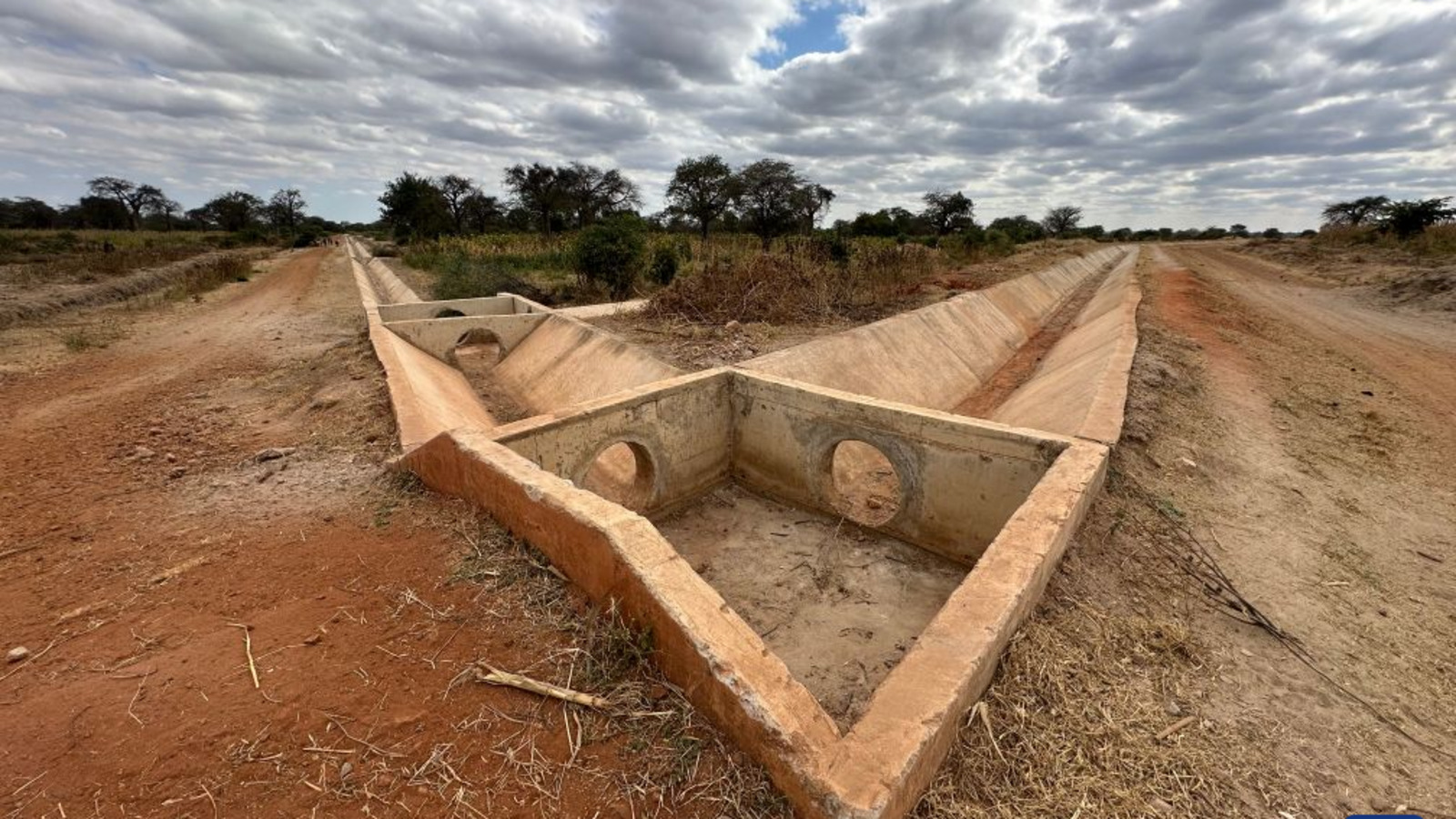
China Builds 400-Hectare Irrigation System in Tanzania to Aid 1,000 Families Dependent on Rainfall

-
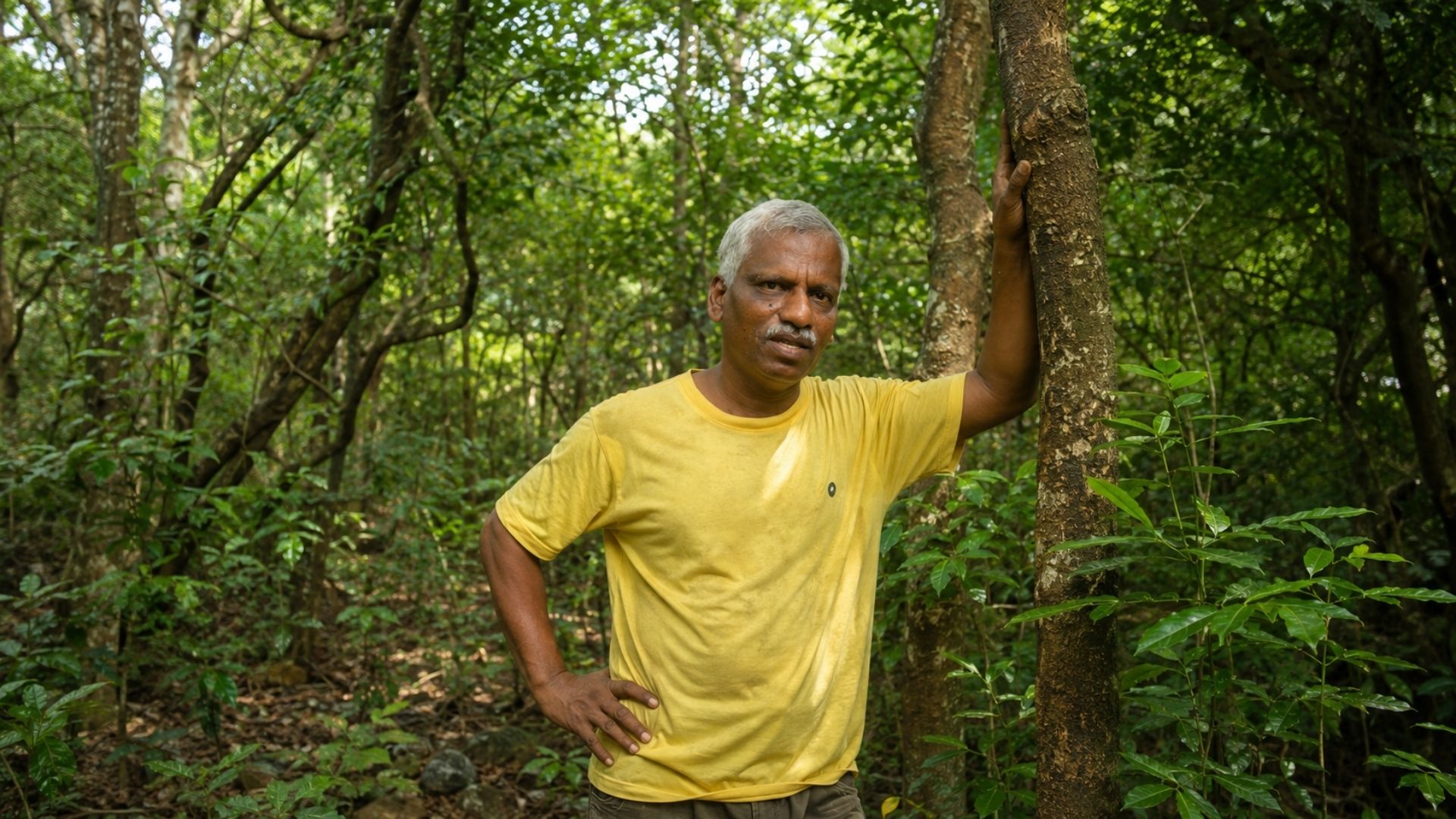
High School-Educated Farmer in India Converts 40 Hectares of Arid Land into Native Forest with 900 Species and Up to 40,000 Trees

-
After Two Years of Water Scarcity, Brazilian Farmer Finds Well on Her Land, Boosting Mango and Passion Fruit Production in Central Brazil

-
Cashew Becomes Billion-Dollar ‘Superfood’ in Ivory Coast: 1.6 Million Hectares of Monoculture Encroach on Forests as Families Trade Food for Nuts


This approach, which combines hydroponics with artificial lighting, allows for continuous harvests throughout the year, eliminating post-harvest losses that can reach 40% in traditional Brazilian agriculture.
How the Vertical Farm Cuts Emissions and Delivers the Same Day
The innovation arises from a palpable urban need: with São Paulo’s population exceeding 12 million and the demand for fresh food growing 5% per year, according to IBGE data, the transportation of vegetables from the interior to the capital generates CO2 emissions equivalent to 1.5 tons per ton of product.
Pink Farms cuts this chain at the root, producing just 5 kilometers away from points of sale like Mambo, Oba Hortifrutti, and Eataly.
The products reach the shelves on the same day of harvest, packaged and ready for consumption, with no need for washing.
“Everything we produce is sold; there is no stock or waste,” explains Rafael Delalibera, co-founder of the company, in an interview with Projeto Draft in August 2025.
This zero-kilometer logistics reduces carbon emissions by 90%, according to internal calculations validated by FAO reports on urban agriculture.
Hydroponics and 95% Water Consumption Savings

The heart of the operation lies in the hydroponic system, where the plant roots float in recirculating nutrient solutions.
Water and minerals – such as nitrogen, potassium, and phosphorus – are dosed by automated sensors that monitor pH, salinity, and humidity in real time.
Unlike field crops, which require 300 liters of water per kilogram of lettuce, here the consumption drops to 15 liters per kilogram, a saving of 95% confirmed by studies from Embrapa Hortaliças in similar partnerships with indoor farms.
The solution is continuously recycled, with only 5% replenishment weekly, avoiding the disposal of effluents and minimizing the impact on scarce water resources, such as the Cantareira System, which serves the São Paulo metropolitan area.
Eight-Story Towers and 75 Times Higher Productivity
Above the roots, the plants rise in stacked layers, optimizing every square inch.
The towers, standing 7 meters tall, house eight levels of cultivation, allowing 750 square meters of warehouse space to equal 5,250 square meters of planted horizontal area.
This verticalization elevates productivity by 75 times per square meter of floor space, according to metrics released by the company and corroborated by UN reports on vertical farms.
In a traditional harvest in the interior of São Paulo, one hectare yields about 20 tons of leafy greens per year; at Pink Farms, the 600 square meters of productive area generate the equivalent of 3 conventional hectares.
Species such as hydroponic lettuce, wild arugula, and basil microgreens complete the cycle in 25 to 35 days, compared to 45 days in the field, thanks to environmental control that simulates ideal seasons: 22 degrees Celsius temperature, 70% humidity, and 16-hour light cycles.
Pink LED Lights That Replace the Sun
The LED lights, imported from the United States and installed in pink panels – a result of combining blue (for leaf growth) and red (for photosynthesis) wavelengths – precisely replace the sun.
They consume 60% less energy than conventional bulbs and emit little heat, avoiding excessive evaporation.

“The pink light is not just aesthetic; it accelerates development by 20% and increases nutrient content in leaves,” details Geraldo Maia in a report from Globo Rural in April 2024.
IoT sensors, integrated with proprietary software, adjust the light intensity per plant: arugulas receive more blue for crispy leaves, while herbs like cilantro get extra red for essential oils.
This automation, developed by Pink Farms’ R&D team, includes alerts for pathogens, eliminating 99% of pesticide use – Brazil is the world’s largest consumer of these products, with 500,000 tons annually, according to Anvisa.
Sterilized Environment and Harvest Without Pests
The closed environment goes beyond efficiency: it creates a natural barrier against pests and climate variations.
Visitors enter wearing caps, masks, and shoe protectors to maintain sterility, similar to a surgical center.
Without soil, fungi like Fusarium or insects like aphids do not proliferate, reducing losses to less than 1%.
The fertilizers, 60% smaller than conventional ones, are of precise mineral origin, avoiding excesses that pollute rivers like the Tietê.
In 2024, the farm composted 148 tons of organic waste locally, turning it into fertilizer for community gardens in the West Zone, according to a balance released by the company in January 2025.
Expansion with R$ 15 Million and New Unit in 2026
The expansion reinforces the impact.
In August 2025, Pink Farms raised R$ 15 million in a Series A round led by SLC Ventures, the innovation arm of Brazil’s largest agricultural producer.
The funds will finance a new unit in the West Zone of São Paulo, tripling capacity to 6 tons per month by 2026.
“We will multiply grain seeds using the same technology, uniting field and city,” says Carlos Eduardo Aranha from SLC, in a piece from Pipeline Valor.

Partnerships with Embrapa, initiated in 2021, test varieties like strawberries and tomatoes in indoor environments, with preliminary results showing 30% shorter cycles.
Today, more than 50 types of plants – including PANCs like ora-pro-nóbis – supply 250 sales points, with prices between R$ 8.50 and R$ 9 for lettuce, positioning themselves between conventional and organic.
The Growth of Vertical Farms in Brazil
This urban revolution aligns with a global trend: the vertical farming market is expected to jump from US$ 3.3 billion in 2021 to US$ 9.7 billion by 2026, per MarketsandMarkets.
In Brazil, where 87% of the population is urban and demand for leafy greens grows 7% per year (Cepea/USP), models like Pink Farms complement the traditional agribusiness, which accounts for 23% of GDP.
Other initiatives, such as Be Green in shopping centers across five states, produce 28 times more than conventional rural farming.
In São Paulo, where the value of agricultural production reached R$ 147.9 billion in 2024 (IEA/SP), vertical agriculture adds sustainability without competing for fertile lands.
Challenges persist, such as the electricity bill – which represents 40% of operational costs, according to Projeto Draft – and the need for certifications adapted to hydroponics, which is still not classified as organic under Brazilian legislation.
Still, Pink Farms demonstrates viability: in 2024, it generated 70 direct jobs, prioritizing local labor trained in agricultural automation.
Products like “post-organic” lettuce arrive with longer durability – up to 14 days in the fridge – and high concentrations of vitamins, tested in partner laboratories.
With global warming projecting losses of 20% in vegetable harvests by 2030 (Embrapa), farms like this pave the way for self-sufficient cities.
But how far can this technology take the common Brazilian plate, transforming gray warehouses into sources of fresh salads with no ecological footprint?




Como sempre as pessoas nunca estão satisfeitos com sucesso dos outros, sem saberem que no campo não tem mais mão de obra (funcionário) com essa nova forma de cultivo facilita empregabilidade e continuamos tendo alimentos saudável sem perda de seus componentes pois para os ignorantes que não sabem luzes fazer papel sol.
Pode até ser bonito de se ver mas não tem o mesmo sabor da terra ! Isso é só mais um produto industrializado e que visa lucros, menosprezando os coitados que sempre batalharam no campo de baixo de Sol e Chuva pra produzir alimentos pra todos! E mais ! Eles otimizam o uso de água diretamente mas e os 40 % do custo operacional que é de energia elétrica??? Vem de onde ????
Custo muito alto para produzir alimentos cheios de anti nutrientes.