






 Portuguese
  Spanish


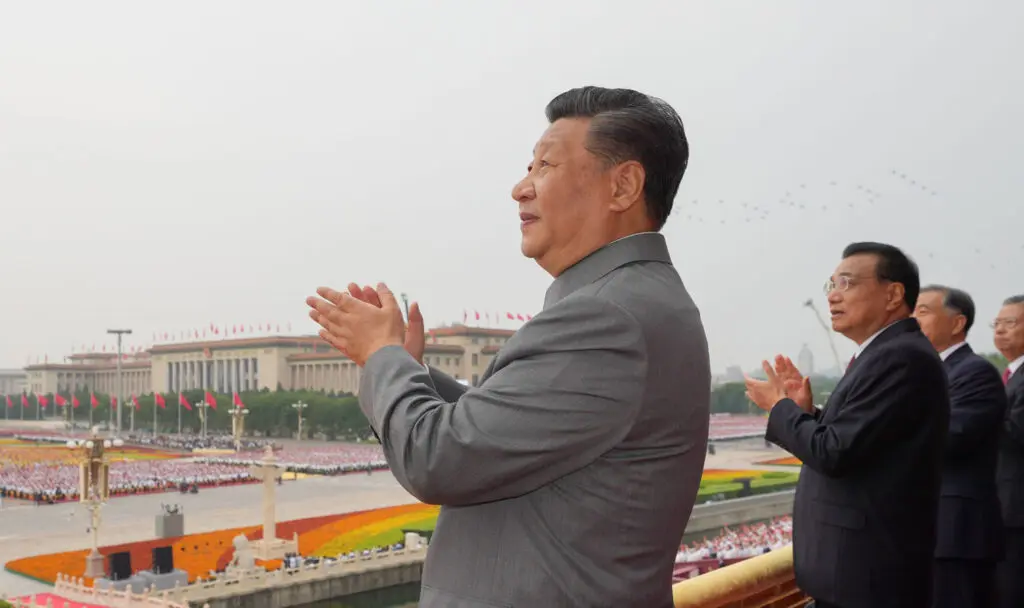

In A Strategic Move, China Announced It Will Conduct Six Reusable Rocket Launches Throughout 2024. The Initiative Aims Directly at the Role of Elon Musk’s SpaceX
China’s commercial space industry is growing rapidly. Private companies in the country are heavily investing to compete with the American giant SpaceX. The goal is bold: to launch at least six reusable rockets by 2025. The initiative has direct support from President Xi Jinping.
Since 2014, the Chinese government has encouraged the participation of private companies in the space sector. Previously, the sector was solely dominated by state-owned companies. This shift is generating a new wave of innovation, with ambitious projects and accelerated technological advancement.
LandSpace and Deep Blue Lead Technological Advancements
In 2023, LandSpace Technology achieved a historic milestone. It launched the world’s first rocket powered by liquid oxygen and methane. The milestone came before SpaceX was able to do the same with its Starship. It was the first time a Chinese company surpassed the American firm in a key technical development.
-
Xiaomi Launches Compact Photo Printer with Bluetooth, Extra Black Ink, and Augmented Reality Photo Printing

-
Teen Invents AI-Powered Traffic Light to Assist Elderly Pedestrians by Extending Crossing Time

-
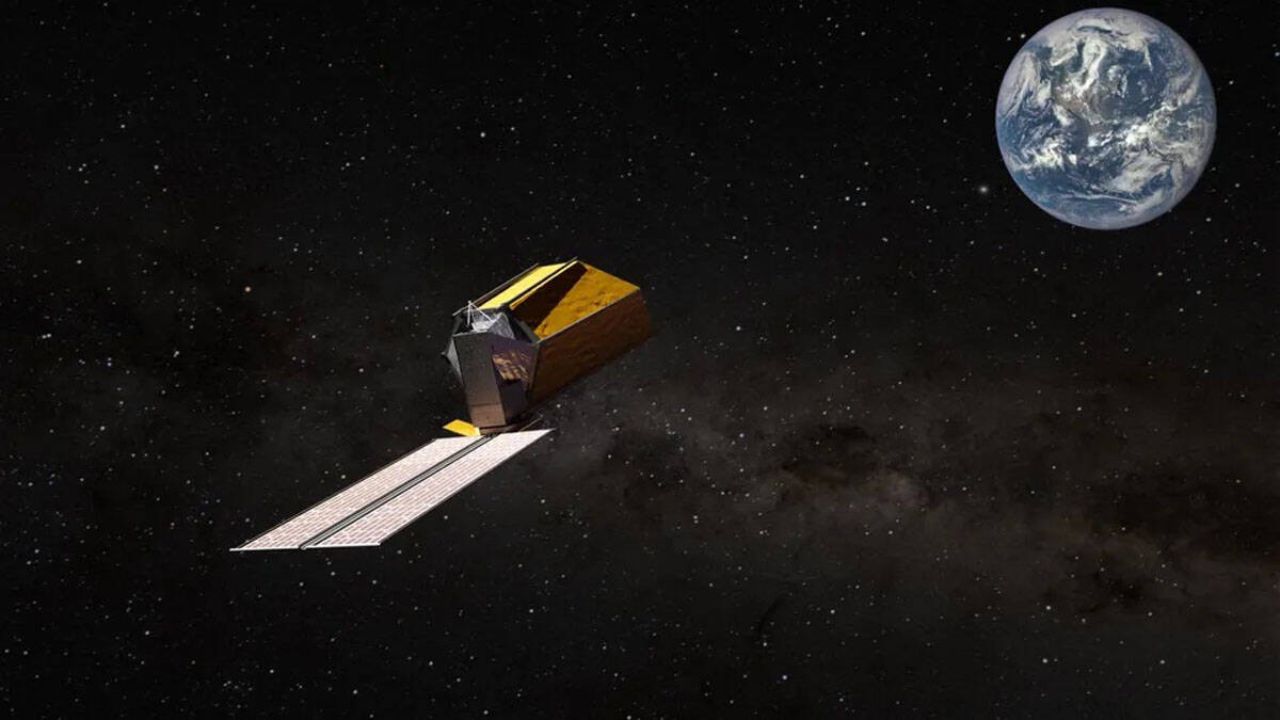
NASA Plans Telescope That Can Be Repaired by Robots 1.5 Million Kilometers from Earth
-
China Launches First Oceanic Medical Rescue Ship with Advanced Facilities to Serve Remote Regions



Another notable company is Deep Blue Aerospace. Founded by a former state rocket engineer, it is already preparing to test a reusable thruster in 2025. Additionally, the company aims to offer space tourism flights by 2027. The ticket price is expected to exceed US$ 100,000 per person.
Entrepreneur Huo, a reference in the Chinese aerospace sector, claims that China may catch up to or even surpass SpaceX in the next five years. He believes in the potential of the country’s private companies.
Focus on Reusable Rockets: Challenges to Reach SpaceX
Even with advancements, the challenge remains significant. SpaceX dominates the global market with reusable rockets and its Starlink satellite network, which already has over 7,000 units in orbit.
Experts point out that China still needs to overcome obstacles to close the technological gap. Professor Lincoln Hines from Georgia Tech commented on the difficulty.
For him, while the country maintains a heavy state structure, it can achieve great feats: “If China continues to have this bloated state industry, it can do enormous feats like going to the other side of the moon or putting humans in space, but can it innovate and compete with the United States?”
Moreover, not all tests have been successful. In 2023, a launch by Space Pioneer failed and caused damage in a local area. The incident exposed the risks of this rapidly growing industry.
Political Support and International Expansion
In February, President Xi Jinping met with CEOs and technology executives. During the meeting, he emphasized the importance of strengthening the private sector as a driver of growth and innovation. This directive now also extends to the space industry.
The Chinese government is interested not only in internal advancements but also in capturing the global market. A clear example of this occurred in November 2023. A Chinese state-owned company successfully launched a satellite for Oman, demonstrating the intention to expand its presence on the international stage.
To counter Starlink’s dominance, China is also working on its own satellite internet projects. Two programs are under development: Guowang and Thousand Sails. Both aim to provide a competitive alternative to the service offered by SpaceX.
As China progresses, SpaceX remains in the lead. Last week, it became Elon Musk’s most valuable asset, surpassing even Tesla. The company’s Dragon capsule also successfully completed another mission, returning NASA astronauts to Earth after a long stay at the International Space Station.
The race is on. China’s private space companies demonstrate strength and ambition. However, with SpaceX constantly innovating, it is still early to say if China will be able to match the pace and truly challenge Musk’s dominance by 2030.
With information from Interesting Engineering.


