






 Portuguese
  Spanish
  5 min of reading
  0 comments


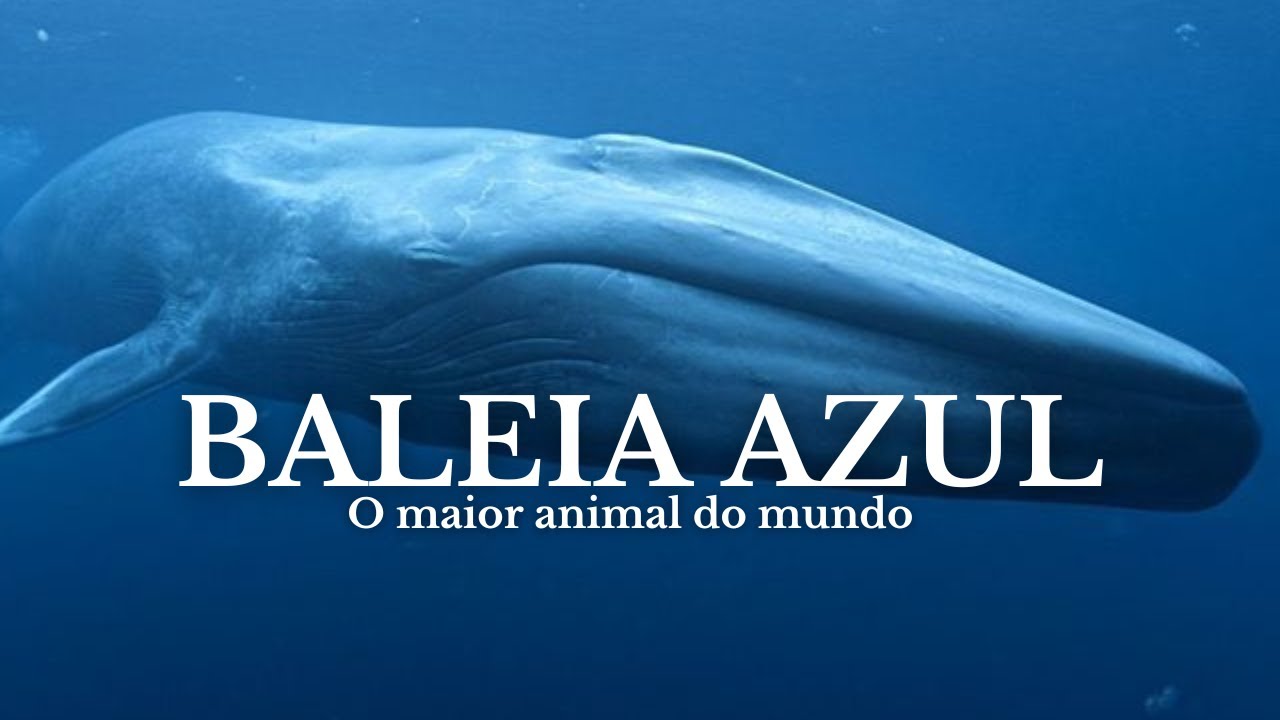
With Up to 30 Meters and About 200 Tons, the Blue Whale Is the Largest Animal That Ever Existed. Understand Its Real Size, Heart, Diet, and Why It Was Almost Extinct.
Measuring up to 30 meters in length, with a weight that can exceed 180 tons and a body larger than any known dinosaur, the blue whale is not only the largest whale on the planet — it is the largest animal that has ever existed in the history of Earth. No terrestrial, marine, or aerial creature, living or extinct, has come close to gathering similar size, mass, and body volume. Even the largest sauropods of the Jurassic period fall short when compared to this colossus of the modern oceans.
What makes the blue whale even more impressive is the fact that it exists today, swimming silently through the oceans, sustained by a simple diet, an efficient metabolism, and a physiology that redefines known biological limits.
What Is the Blue Whale and Where Does It Live
The blue whale, scientifically named Balaenoptera musculus, is a marine mammal belonging to the order Cetacea and the family Balaenopteridae. It inhabits practically all the oceans of the planet, from tropical waters to regions near the poles, undertaking long seasonal migrations.
-
More than 100 scientists warn of a new era of persistent droughts in India, China, the United States, the Mediterranean, and parts of Africa, with rivers under stress and the risk of continuous water shortages.

-
Solar buoys with ultrasound arrive at the Tietê River to try to curb the advance of algae, monitor water quality, and protect areas used by tourists, fishermen, and residents.
-
3D printers become a business in the hands of two students from Manaus and reveal early talent for entrepreneurship
-
China took 46 years to surround its largest desert with a 3,000-kilometer green belt, but the megaproject against sandstorms still faces drought, low tree survival, and advancing desertification in the Taklamakan.





During summer, it tends to frequent cold, food-rich areas, such as the Antarctic Ocean. In winter, it migrates to warmer waters, where it reproduces. This ability to traverse entire oceanic continents is essential to sustain a body of such extreme proportions.
Real Dimensions: The Largest Animal That Ever Existed
The largest blue whale individuals ever measured reached between 29 and 30 meters in length, with reliable weight estimates ranging from 150 to over 180 tons. There are historical records suggesting even larger specimens, but these values are treated with caution by science.
For direct comparison:
– An African elephant weighs about 6 tons
– An empty articulated truck weighs around 15 tons
– A Tyrannosaurus rex hardly exceeded 9 tons
This means that a single blue whale can weigh the equivalent of more than 30 adult elephants or several predatory dinosaurs combined.
The Heart, the Blood, and the Absurd Scale of the Body
Among the most well-known and shocking facts is the size of the blue whale’s heart. It can weigh around 180 kilograms, a size comparable to that of a small motorcycle. The main arteries are so wide that a child could pass through.
The volume of blood circulating in the body is equally monumental. It is estimated that the blue whale has over 8,000 liters of blood, necessary to oxygenate tissues distributed over dozens of meters.
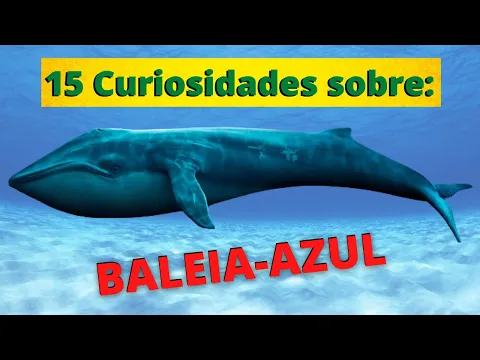
The heart rate, in deep rest, can drop to just 2 beats per minute, accelerating only during rapid ascents to the surface.
How Such a Large Animal Feeds
Despite its colossal size, the blue whale feeds almost exclusively on krill, small shrimp-like crustaceans. An adult can consume up to 4 tons of krill per day during feeding season.
It uses a technique called lunge feeding: it swims forward with its mouth open, engulfs huge volumes of water, and then filters the food through its baleen, expelling the water. Each lunge can capture millions of microscopic organisms at once.
This method shows that the gigantism of the blue whale does not depend on large prey, but on energy efficiency in extremely productive environments.
Comparison with Dinosaurs and Other Extinct Giants
For a long time, it was believed that the largest dinosaurs, such as Argentinosaurus or Patagotitan, represented the peak of animal size. Today, science recognizes that none of them surpassed the blue whale in total mass.
Even Argentinosaurus, one of the largest known sauropods, would have weighed between 70 and 90 tons — less than half the estimated maximum weight of the blue whale.
This places the blue whale in a unique category: the largest living being that has ever existed, regardless of geological era.
Slow Reproduction and Extreme Vulnerability
The blue whale reaches sexual maturity only after about 10 to 15 years of life. Gestation lasts approximately 11 months, and the calf is born already measuring around 7 meters in length and weighing close to 2.5 tons.
This accelerated initial growth is essential, but the slow reproductive cycle makes the species extremely vulnerable to human impacts. A female does not produce many calves throughout her life, which hinders population recovery.
Almost Extinct Due to Industrial Whaling
In the 20th century, the blue whale was brought to the brink of extinction by industrial whaling. It is estimated that over 300,000 individuals were killed between the late 19th century and the 1960s.
Some populations were reduced to less than 1% of their original size. Hunting was only halted after international agreements, when the species was already in collapse.
Today, although protected, the blue whale still faces threats such as ship collisions, noise pollution, climate change, and reduced krill due to ocean warming.
Current estimates indicate a global population between 10,000 and 25,000 individuals, depending on the region. This represents a partial recovery, but still far from historical numbers.
Each individual is extremely valuable for the survival of the species, as the loss of a single adult has a significant impact on the population balance.
A Living Colossus of the Modern Oceans
The blue whale is not just a biological record. It is proof that life, when it finds ideal conditions, can surpass any imagined limit. Silently moving hundreds of tons with elegance, it represents the pinnacle of evolution on a physical scale.
While giant dinosaurs remained trapped in the past, the blue whale continues to live — swimming in today’s oceans as the largest animal that has ever existed in the history of the planet.
And, paradoxically, also one of the most fragile in the face of human actions.






-

-

-

-

-

-

35 people reacted to this.