Portuguese
  Spanish


Study by MME and EPE Indicates That New Investments in Refining Should Reduce External Dependence on Petroleum Derivatives, Expand Exports, and Strengthen Brazil’s Energy Security Until 2035.
The external dependence on petroleum derivatives tends to decrease gradually over the next ten years in Brazil. This is the main signal given by the new Supply Report on Petroleum Derivatives, prepared by the Ministry of Mines and Energy (MME) in partnership with the Energy Research Company (EPE).
The document is part of the Ten-Year Energy Expansion Plan 2035 (PDE 2035) and outlines detailed scenarios regarding supply, demand, refining, imports, and exports.
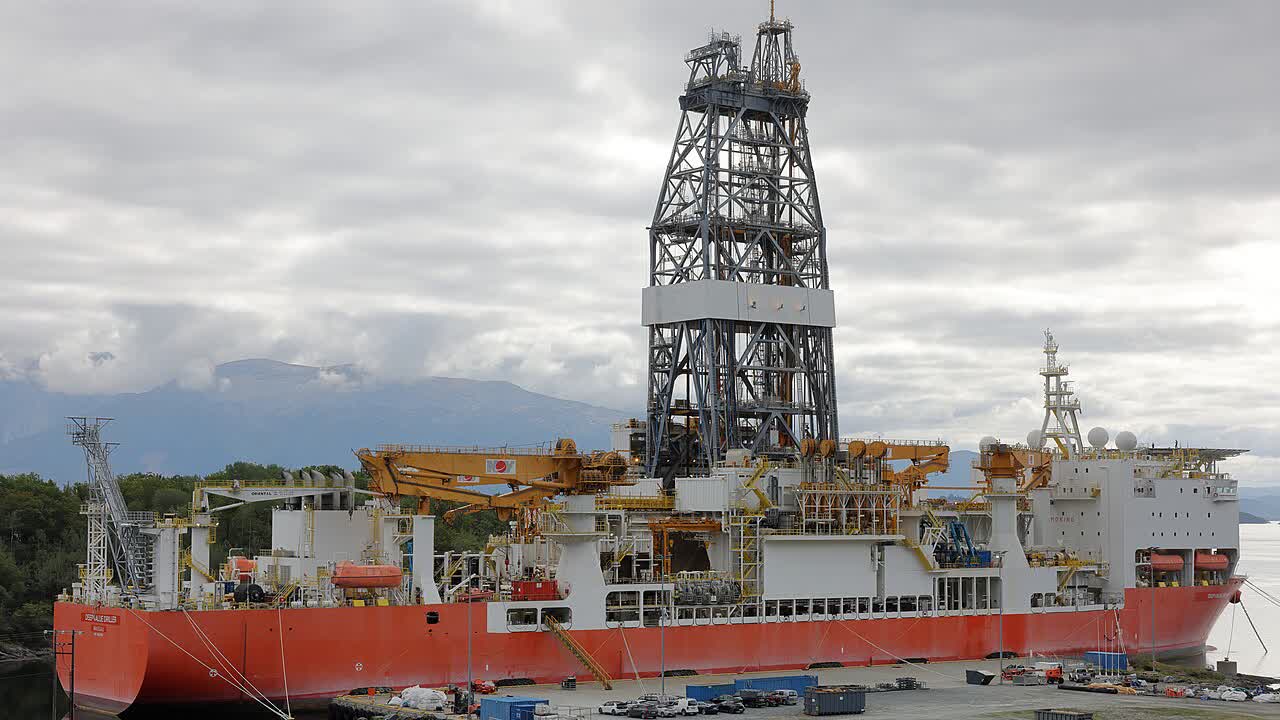
According to the study, the expansion of national infrastructure and the advancement of new investments place oil back at the center of the country’s energy security strategy. At the same time, the planning aims to reduce historical vulnerabilities related to the import of essential fuels.
-
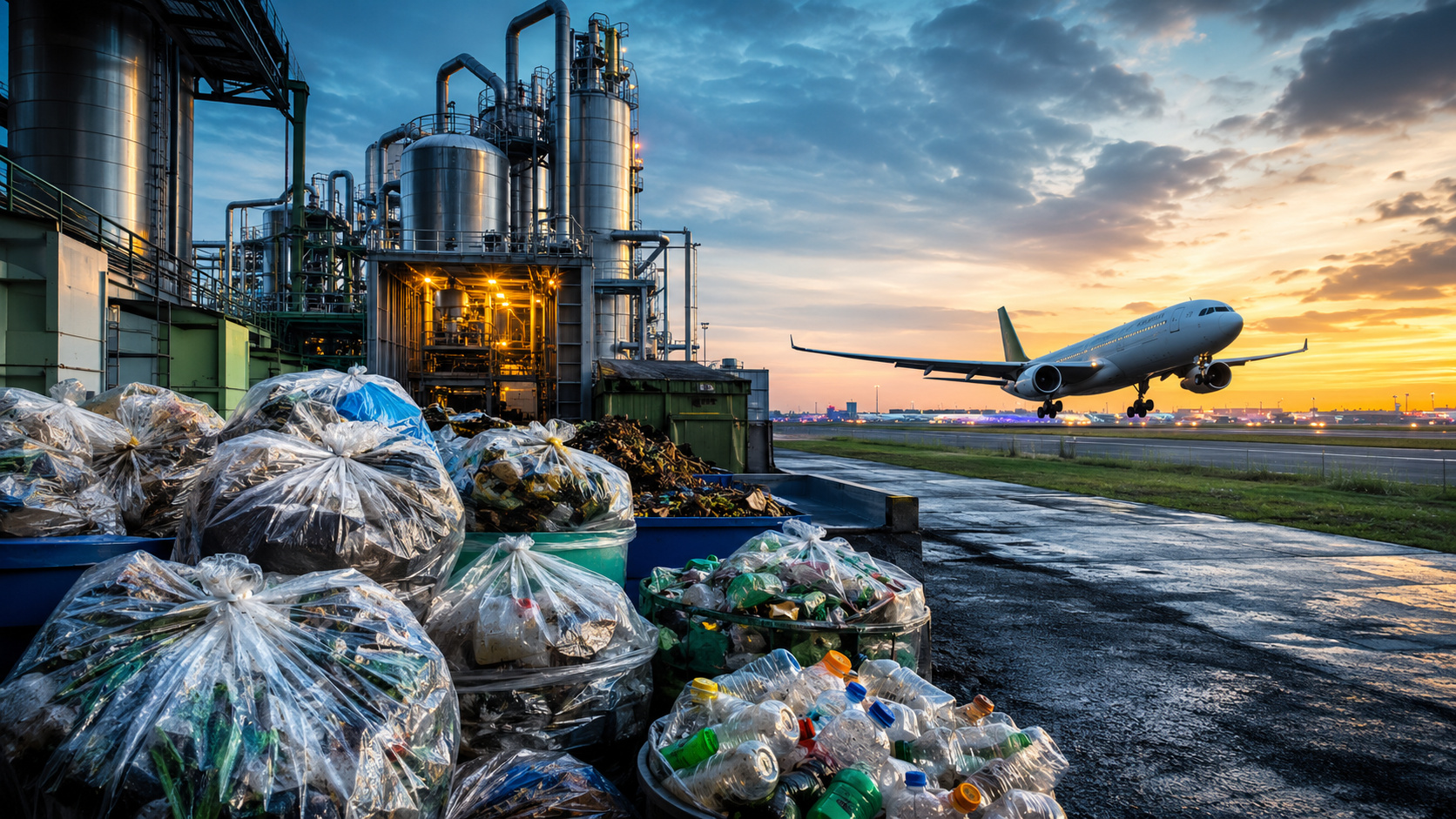
Qantas and Airbus Invest in Company Aiming to Convert Unsorted Household Trash into Jet Fuel

-
Brazil’s ANP Opens 86 New Oil Blocks in the Equatorial Margin, Expanding the Amazon River Mouth Frontier

-
OPEC+ Boosts Oil Supply by 188,000 Barrels per Day in July 2026, Leading to Price Drop from $112 to $89 per Barrel in Under Two Months

-
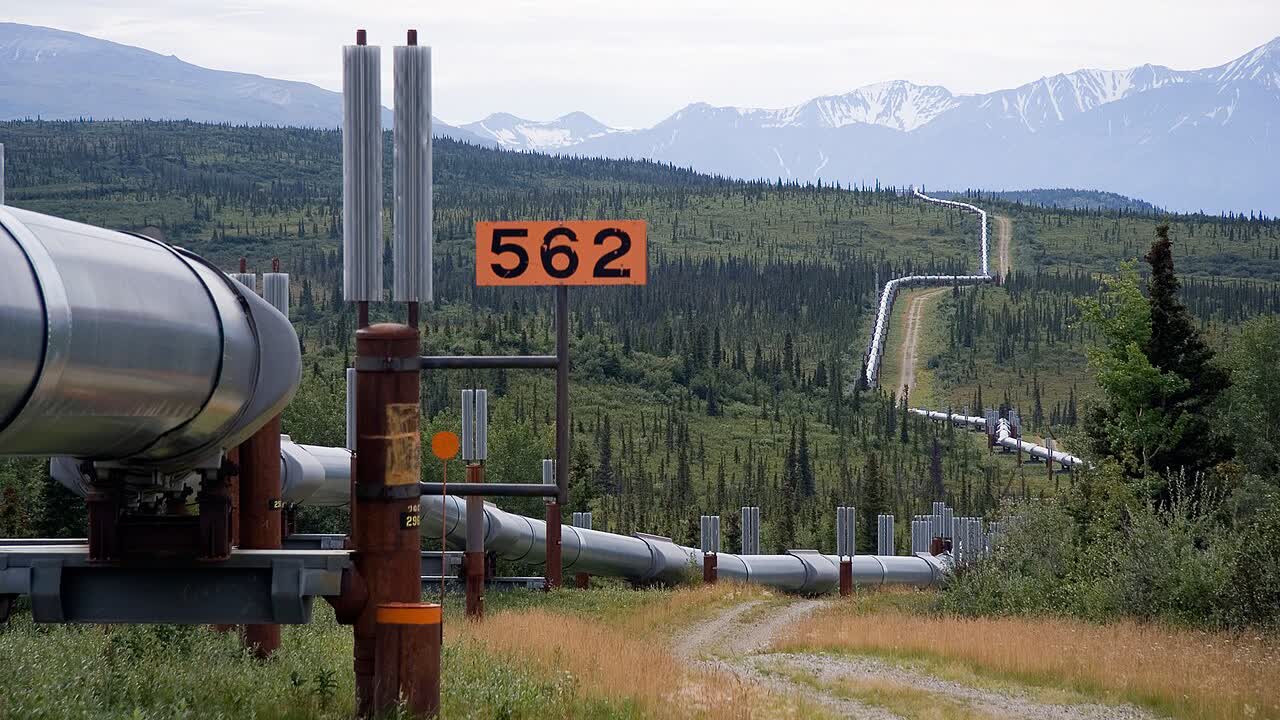
TotalEnergies Signs 20-Year Deal to Purchase 2 Million Tons of LNG from Alaska, Boosting Project Viability

Refining Capacity Grows and Reduces External Exposure
One of the central points of the report is the projected increase in the national refining capacity. Between 2025 and 2035, the estimated expansion is around 10%, driven mainly by projects already planned in Brazil.
These include the completion of the second train of the Abreu e Lima Refinery (RNEST) in Pernambuco, the Boaventura Energy Complex in Rio de Janeiro, as well as the expansion of distillation and hydro-treatment units for diesel in other refineries.
This move, according to the study, contributes to reducing external dependence on specific derivatives, even in a context of growing internal demand. Nevertheless, Brazil will continue to be a net importer of certain fuels throughout the analyzed period.
Brazil Should Expand Exports of Crude Oil
While the country remains a net importer of derivatives, the scenario is different when analyzing crude oil. The document indicates that Brazil should strengthen its position as a net exporter, reaching approximately 2.7 million barrels per day by 2035.
This level consolidates the country as one of the main global suppliers of oil, increasing its relevance in the international geopolitical landscape of the industry. Furthermore, the increase in exports helps balance the trade balance and enhances revenue for the energy sector.
MME Positioning Highlights Predictability and Safety
Commenting on the study’s results, the Minister of Mines and Energy, Alexandre Silveira, emphasized the strategic nature of the information disclosed. According to him, the focus on expanding refining brings structural gains to the country.
“We are increasing the country’s refining capacity to consistently reduce external dependence on derivatives. This move combines self-sufficiency, job and income generation, and greater safety for the entire national energy system. The study reinforces the quality of our planning and provides predictability for the necessary investments, both in industrial expansion and in financing the energy transition, to advance responsibly and with a long-term vision.”
This statement reinforces that the long-term planning for oil remains aligned with the stability of supply and the attraction of new investments.
Derivatives Continue With Distinct Behaviors
Even with advancements in refining, the report indicates that Brazil will continue to import significant volumes of diesel and naphtha. In the case of diesel, projections indicate import levels that may exceed historical highs, reflecting the strength of consumption in transportation and logistics.
In contrast, some derivatives show more favorable scenarios. External dependence on naphtha is expected to drop from 59% to 29%, while aviation kerosene (QAV) is expected to reduce dependence from 18% to just 4%. These results stem from both investments in refineries and biorefineries as well as the increased share of renewable fractions, such as SAF.
Meanwhile, fuel oil is expected to maintain surpluses throughout the analyzed period. In the case of liquefied petroleum gas (LPG), the study indicates the possibility of a surplus starting at the end of the decade, significantly altering the balance of the national market.