Portuguese
  Spanish


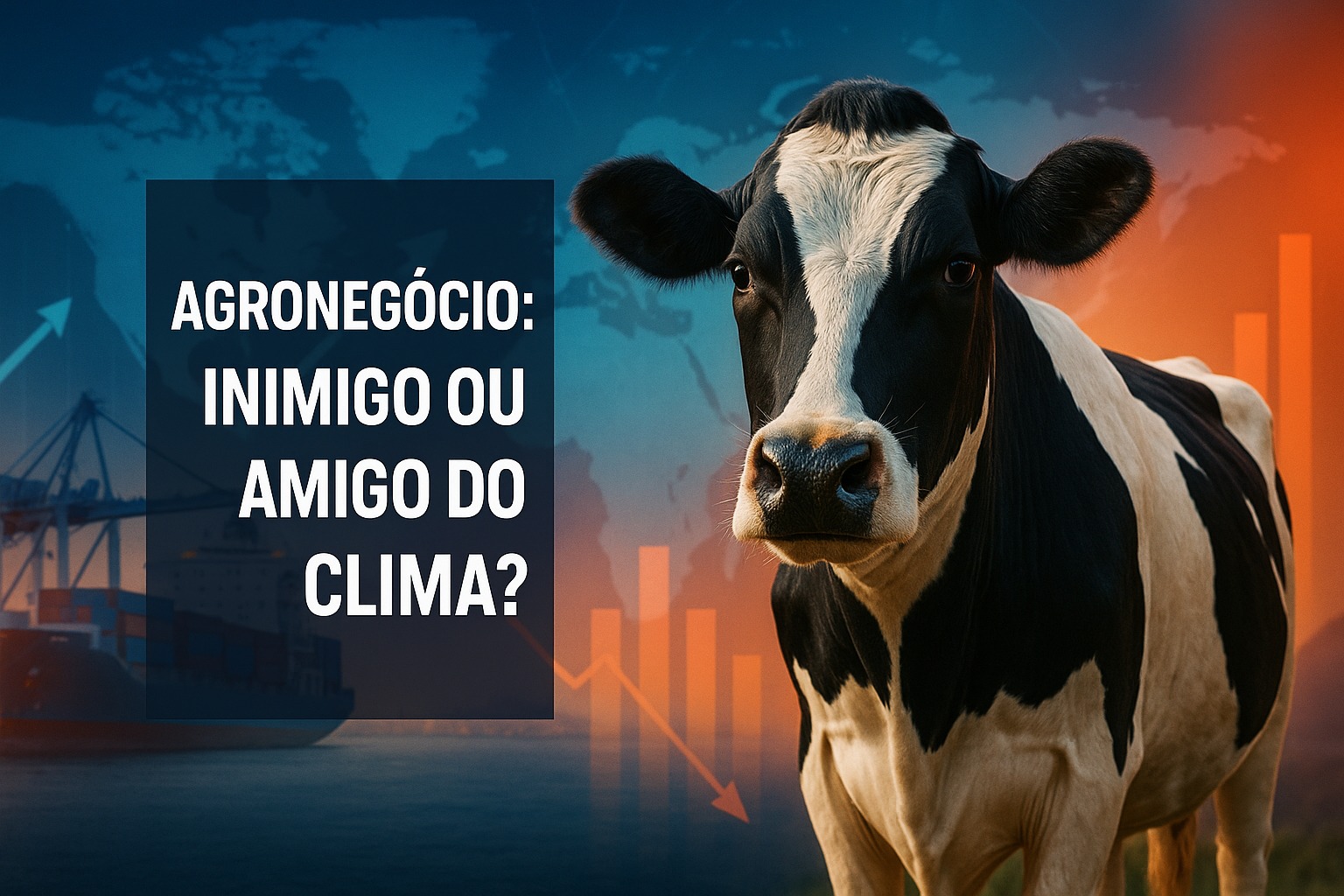

Historian from UNICAMP Criticizes Agroindustry Expansion, Warns About Methane Emissions and Burnings and Defends Agroecology and Sustainable Family Farming
The historian Luiz Marques, from the State University of Campinas (UNICAMP), assesses that the main threat to climate balance in Brazil is the agroindustry itself.
He explains that deforestation to make way for pastures and monocultures increases greenhouse gas emissions.
“You are removing the forest that captures greenhouse gases and replacing it with pasture […] which generates greenhouse gases,” he states.
-
Brazilian Family’s Cheese, Started with One Cow in 1984, Named Best in the World, Beating 2,700 Competitors from 30 Countries

-
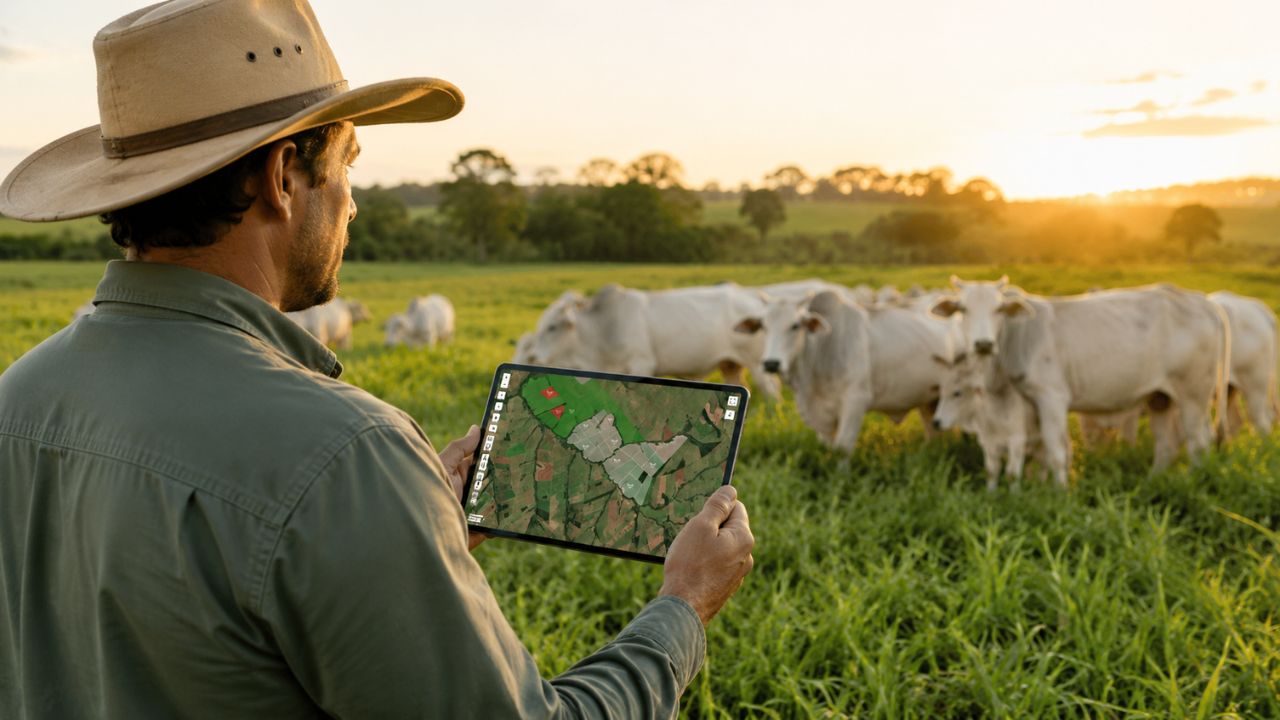
Brazilian Ranchers Use Satellites to Optimize Pasture Management and Prevent Feed Loss in Cattle Farms

-
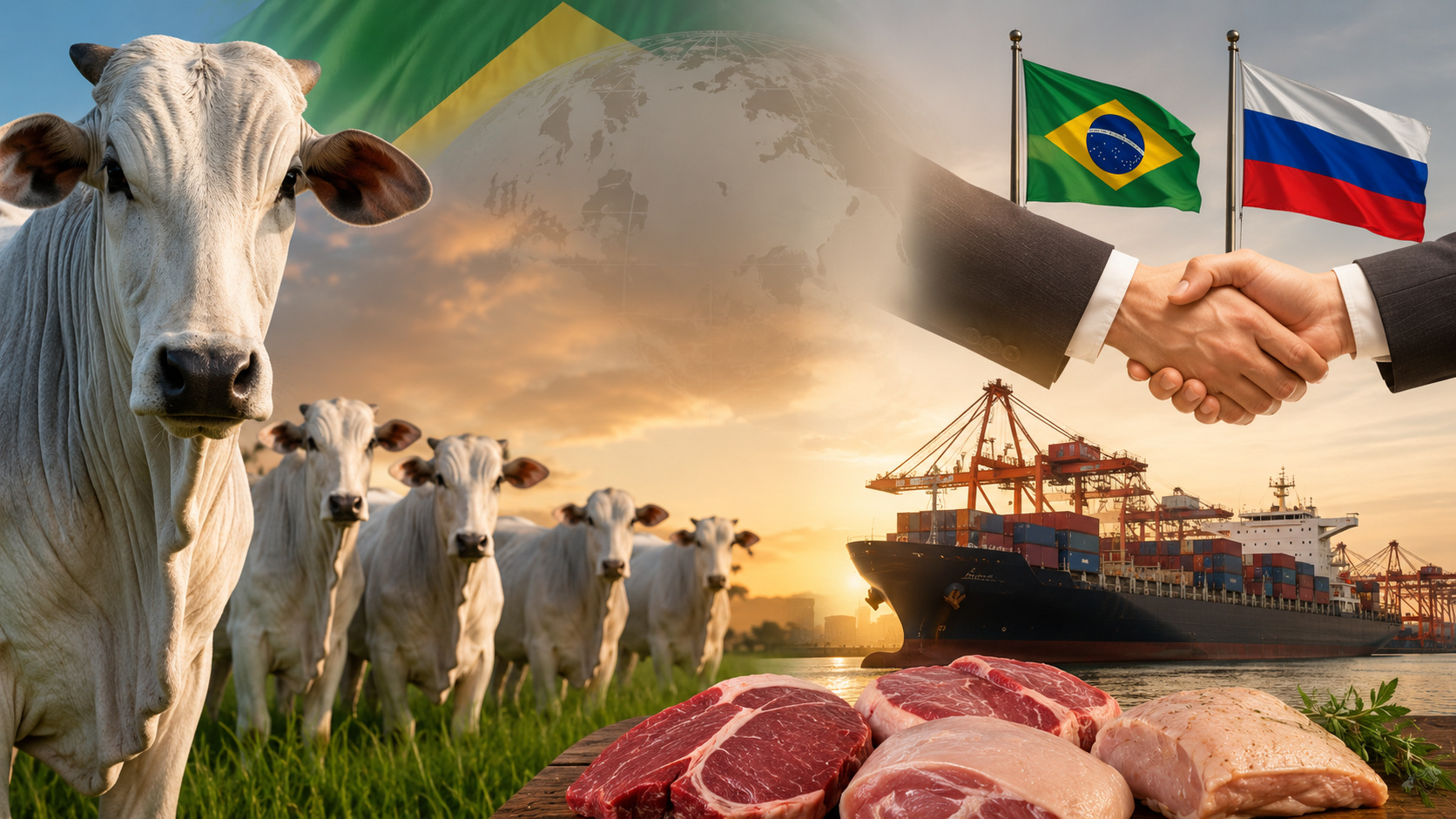
Russia Follows China in Recognizing Brazil as Free from Foot-and-Mouth Disease Without Vaccination, Boosting Meat Exports and Agribusiness Potential

-
23-Year-Old Brazilian Turns Beekeeping into College Tuition, Harvesting Honey Twice a Year from 50 Hives



This comment was made in an interview for the podcast Manual de Sobrevivência, from Brasil de Fato.
More Cattle Than People
According to data from the Brazilian Institute of Geography and Statistics (IBGE), in 2024 Brazil had 238.2 million cattle. Marques compares this number to the national population: “There are more cattle than people in the country.”
At the same time, the federal government allocated R$ 516.2 billion for the 2025/2026 Safra Plan. The largest share of these funds continues to be directed to the agroindustry, something criticized by the researcher because it concentrates investments in a sector he considers the main polluter.
“Brazil has the conditions to reduce emissions much more than other countries. Our enemy is the agroindustry,” he points out.
Weight of Agriculture in Emissions
The System for Estimating Greenhouse Gas Emissions (Seeg), from the Climate Observatory, indicates that 74% of Brazilian emissions come from agriculture. The problem is exacerbated by methane.
“Cattle are ruminants, they burp methane,” explains Marques. The gas, according to reports from the European Commission and the United Nations Economic Commission for Europe (UNECE), can warm the planet up to 87 times more than carbon dioxide over a 20-year period.
Burnings and Inventory Failures
Another point mentioned by the professor is the burnings associated with meat production. For him, “99% of the fires in Brazil are caused by human action, and the agroindustry is behind this.”
Recent monitoring confirms the predominance of human-caused wildfires. Marques also criticizes the gaps in official inventories: “The carbon dioxide released in these burnings is not accounted for, and forest degradation is also left out.”
Proposed Alternatives
Despite the criticisms, the historian points to pathways. He advocates for agrarian reform, incentives for agroecology, and strengthening family and quilombola agriculture.
In his view, experiences such as those of the Landless Workers Movement (MST) show that Brazil has sustainable agricultural models capable of drastically reducing emissions.
With information from Brasil de Fato.