Portuguese
  Spanish


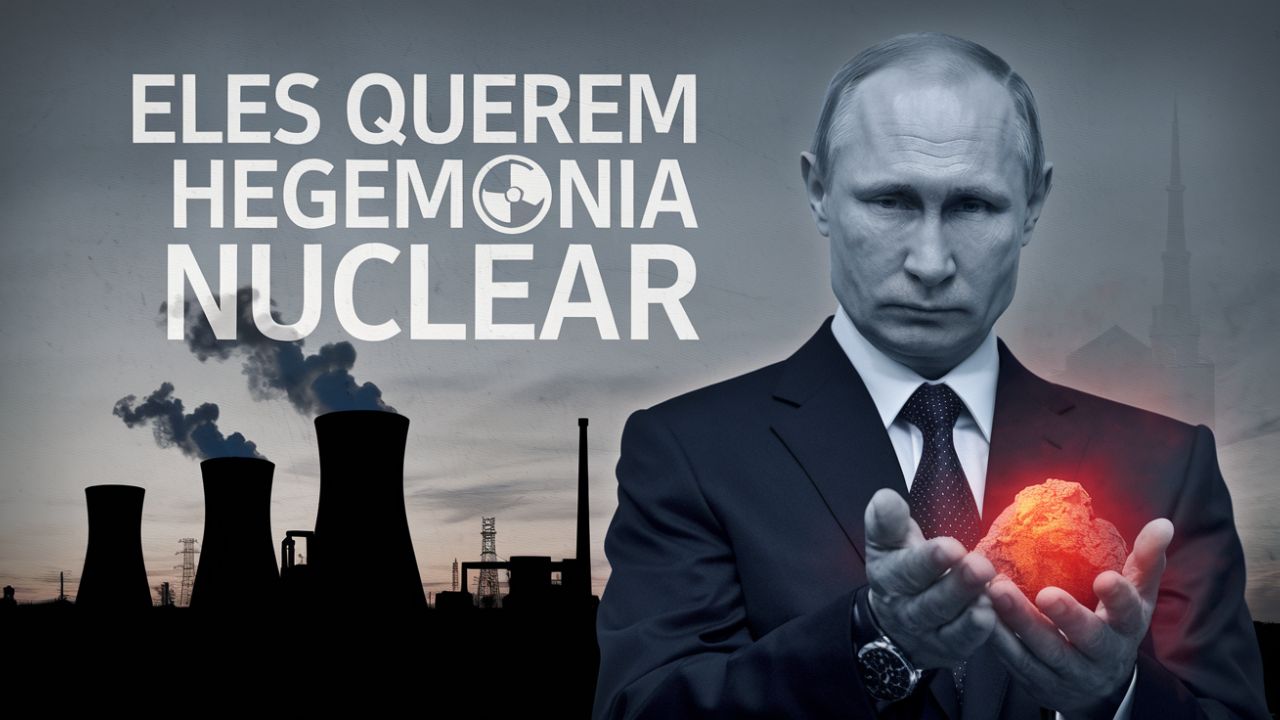

Russia Dominates 27% Of The World’s Uranium Conversion Capacity, Leads The Construction Of Nuclear Plants In Strategic Countries Like China And Turkey, And Solidifies Its Energy Influence While Circumventing Western Sanctions.
Nuclear energy is shaping the future of the planet, and Russia seems to be leading the game. With more than 10 nuclear plants under construction in various countries, the Kremlin seeks to consolidate its geopolitical influence and reconfigure the global energy market. But what does this mean for the rest of the world? Let’s understand.
The Ambitious Nuclear Construction Plan Of Russia
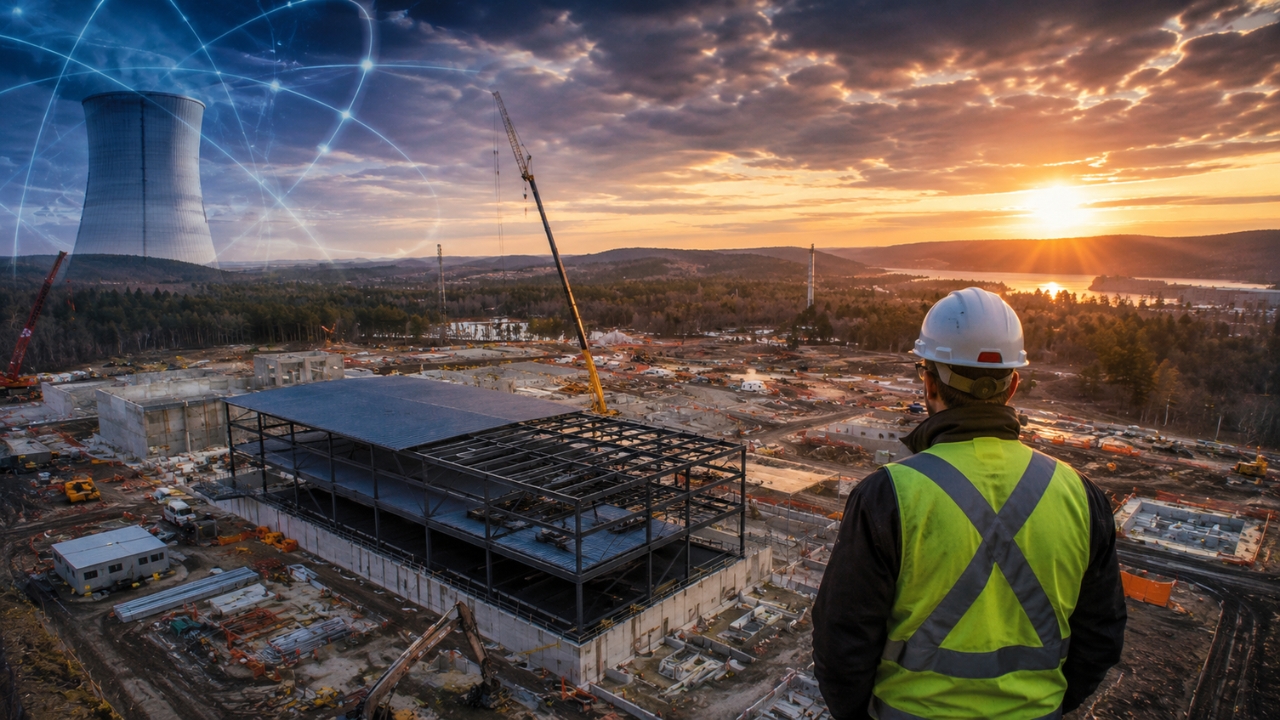
If there’s something Russia knows how to do, it’s strategy. Currently, there are over 10 nuclear plant projects underway in countries like Bangladesh, China, Egypt, India, Iran, and Turkey. The state-owned company Rosatom is in charge, ensuring that each initiative aligns with Russian interests.
This expansion is not just technological, but also a master move to enhance the country’s geopolitical influence. After all, who controls energy controls the world, right? And Russia is determined to do it quietly while many focus only on ongoing conflicts.
-
Brazil’s Angra 3 Nuclear Plant Reaches 66% Completion; Government Faces 2026 Deadline to Decide on $24 Billion Project’s Future

-
American company drills a 1,830-meter hole in Kansas using oil well technology, places a nuclear reactor inside, and claims it will generate electricity without any cooling tower.
-
Canada invests more than 2 billion dollars to upgrade an old nuclear laboratory and try to rival the world’s major atomic energy powers.
-
Nuclear company backed by Bill Gates partners with Hyundai for next-generation 345 MW nuclear reactor



The Ace Up The Sleeve

The construction of plants is just the tip of the iceberg. The nuclear sector offers a wide range of opportunities, from fuel supply to complementary services. Moreover, it is a strategic route to circumvent the economic sanctions imposed by the West.
Projects like the Paks 2 plant in Hungary and the reactors in Uzbekistan are clear examples of how the Kremlin utilizes the nuclear sector to maintain its global relevance. It’s like a chessboard where every moved piece has a greater purpose.
Beyond Construction, The Global Dependency On Uranium
When it comes to uranium, Russia holds the cards. Besides constructing reactors, the country controls about 27% of the world’s conversion capacity and 39% of the enrichment market. This means that even with sanctions, the West remains dependent on this resource.
In the United States, for instance, a complete ban on Russian uranium could result in billions of dollars in losses. This paradox makes it clear how nuclear energy has become a powerful weapon in modern geopolitics.
Fractures In The West And The Divided European Union
While some countries try to rid themselves of Russian dependence, others resist. In the European Union, for example, Hungary (where Rosatom is already constructing) and Slovakia are ardent supporters of cooperation with Moscow in the energy sector. Their leaders argue that cutting ties with Russia would jeopardize electricity production in their territories.
These divisions within the European bloc make it difficult to form a unified front against Russian influence. And in this scenario, Russia takes the opportunity to strengthen its position.
Russian Strategy
According to the International Atomic Energy Agency, nuclear generation capacity is expected to grow by 155% by 2050, reaching 950 gigawatts. In this context, Russia is positioning itself as a leader, investing in technology and expanding its global presence.
The nuclear sector, more than just an energy solution, has become a silent battleground where Russia seeks to consolidate its hegemony. And while this happens, the world watches, caught between dependency and sanctions.
Russia’s nuclear expansion is a strategy to secure global influence and evade sanctions. With control over uranium and a dozen plants under construction, the Kremlin is shaping the planet’s energy future.