






 Portuguese
  Spanish


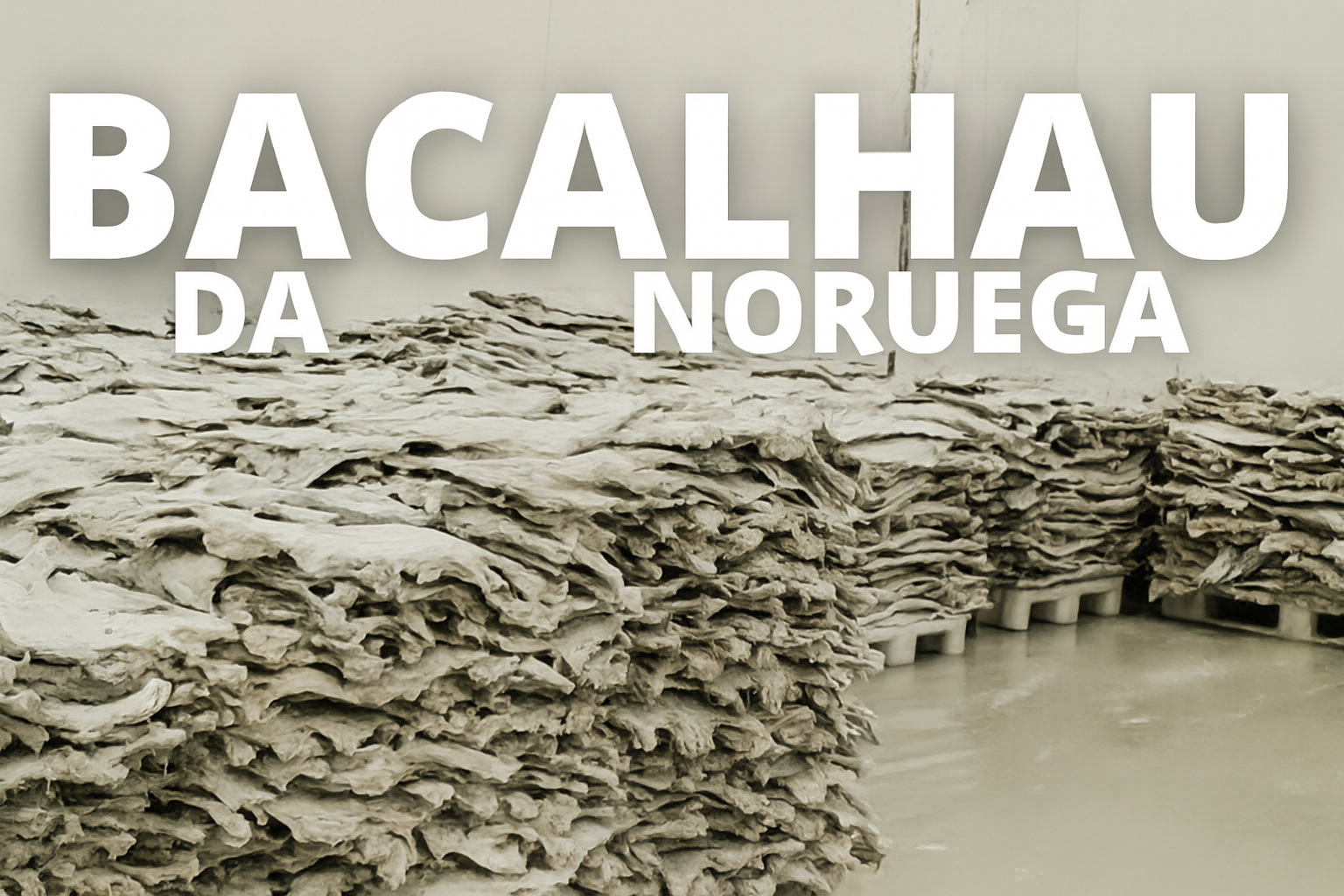


Norway Leads Global Cod Production With Over 500,000 Tons Per Year, Billion-Dollar Exports, and The Most Advanced Fishing System on The Planet.
The global cod industry revolves around a very specific geography, marked by cold waters, nutrient-rich currents, and highly regulated fishing systems. It is precisely within this context that Norway holds an almost unattainable position. The Scandinavian country not only leads the capture and processing of Atlantic Cod (Gadus morhua) but has transformed this protein into one of the pillars of its maritime economy, generating billion-dollar figures and supplying markets around the world. Brazil included, which is one of the largest consumers of the Norwegian chain.
While most countries face severe challenges in maintaining sustainable stocks, Norway has established a fishing system so efficient and technological that it now virtually manages the pace and quality of global production of this iconic fish on its own.
The Norwegian Leadership: Production Exceeding 500,000 Tons Annually
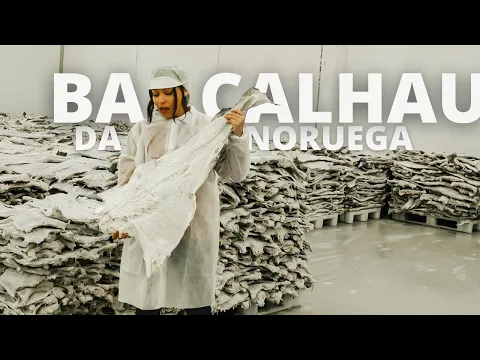

The numbers are well documented by the Norwegian Seafood Council, the government agency responsible for monitoring exports and certifications. According to reports from 2023 and 2024, Norway exceeds the mark of 500,000 tons per year of fresh, frozen, and salted cod—a volume that can fluctuate according to the fishing quotas established in conjunction with Iceland and Russia in the Barents Sea.
-
Rare Tropical Fruit Canistel, with Egg Yolk Color and Caramel Flavor, Gains Interest from Researchers and Small Producers in Brazil

-
Brazilian Farmers Develop Wheeled Metal Lever to Ease Cassava Harvesting Without Heavy Machinery
-
Study of Brazil’s Tietê River Finds 25 Pesticides in Water, Including Cancer-Linked Substance Near Source
-
Young Entrepreneur Expands from 50 to 1,400 Chickens, Proving “Happy Hens” Can Be a Viable Business


In practice, this means that more than half of all legitimate cod consumed in the world has Norwegian origins. The country dominates everything from capture on highly advanced vessels to the final stages of salting, drying, and industrial processing.
For comparison, countries like Iceland, Russia, and Greenland also participate in cod fishing, but none come close to Norwegian numbers in terms of scale, regularity, technology, and export volume.
Why Norway Dominates The Global Market
The secret lies in a combination of perfect geography, cutting-edge fishing technology, and strict management of the stocks. The cold waters of the North Sea and Barents Sea provide the ideal conditions for the development of Gadus morhua, allowing for numerous and high-quality schools of fish.
At the same time, the country operates vessels equipped with fish school radars, instant cooling systems, partially automated processing, and satellite tracking that monitors each batch from the sea to the final consumer.
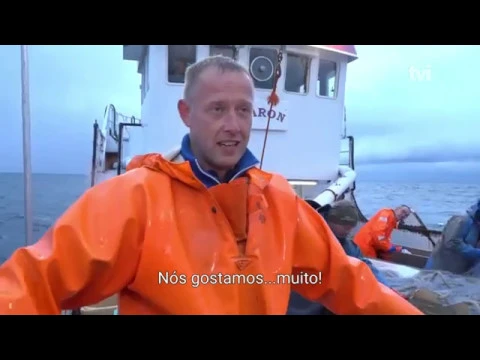
This traceability is one of the reasons why Norwegian cod dominates markets sensitive to strict sanitary standards such as the European Union, China, the USA, and Brazil.
This efficiency is not limited to capture: Norway has one of the largest industrial complexes for drying and salting in the world, where tons of fish undergo calibrated processes to ensure flavor, texture, and standardized quality in massive batches.
The Economic Impact: A Billion-Dollar National Heritage
In 2023 alone, exports of cod and derivatives brought Norway over NOK 11 billion (about R$ 5.5 billion), according to the Norwegian Seafood Council. This places cod among the most valuable maritime products in the country, alongside farmed salmon.
Brazil, which historically maintains an affectionate cultural relationship with cod, especially during Easter and Christmas—is among the top destinations for Norwegian exports.
In certain seasons, the Brazilian market alone absorbs over 20% of the global volume of salted and dried cod.
Sustainability: Norway’s Greatest Differential
Although many might imagine megafleets dragging tons of fish with no control, the reality is the opposite: Norway operates one of the strictest systems in the world to prevent overfishing. The country shares management of the Barents Sea with Russia and sets annual quotas based on stock studies conducted by international organizations.
The control is so stringent that vessels can lose licenses if they exceed quotas, and all catches must be recorded in real-time. This sustainable management policy is one of the reasons why Norwegian cod is considered “the most reliable cod in the world” in terms of origin and tracking.
Why Norwegian Cod Became A Global Premium Product
The combination of high quality, temperature control, reduced travel time, and industrial drying and salting systems has transformed the fish into a premium protein.
European and Asian restaurants pay top dollar for specific batches of exceptionally high quality, especially in the Imperial and Extra categories designed for the luxury market.
The flavor, texture, and uniformity of the meat make Norwegian cod practically irreplaceable for those seeking gourmet standards, one reason that explains the Brazilian market’s loyalty to the product.
A Domination Hard to Overcome
With privileged access to the most productive areas of the North Atlantic, world-class maritime infrastructure, rigorous management, and brands that have gained international status, Norway has created an ecosystem that is unlikely to be matched.
The numbers, geography, and fishing engineering confirm: when it comes to cod, there is no competitor capable of rivaling Norwegian supremacy.





Portugal é o maior consumidor de bacalhau da Noruega. Compra mais de 161 mil toneladas ano. O Brasil é o segundo maior comprador com 15 mil toneladas de bacalhau da Noruega. Portugal é o maior consumidor per capita sem contar com o bacalhau da Islândia todo ele salgado na melhor fabrica do mundo em Portugal com salga portuguesa e em outras mais pequenas. Por isso o bacalhau português é bom por causa do método de salga.