Portuguese
  Spanish


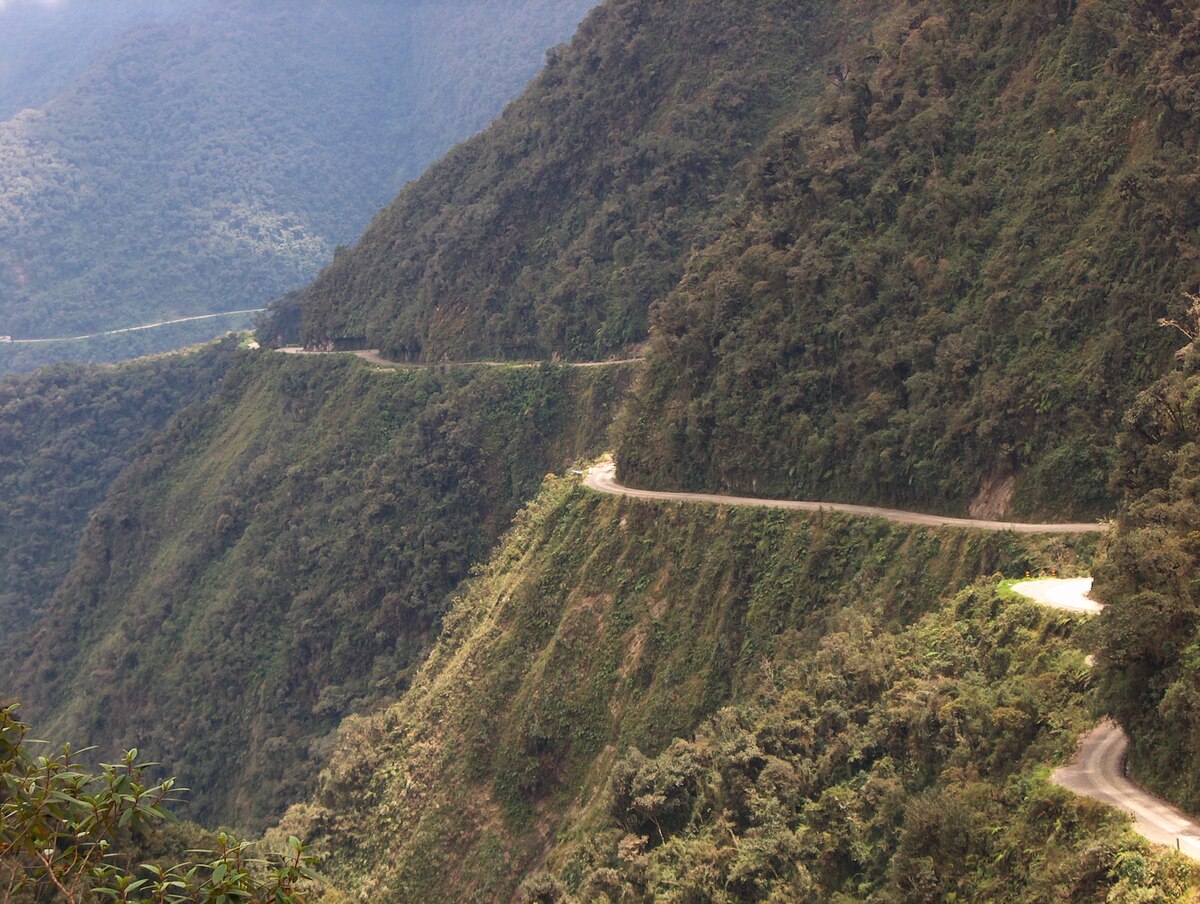

With Cliffs of 800 M And 64 Km Without Side Protection, The Most Deadly Road In Bolivia Remains One Of The Most Extreme And Dangerous Routes On The Planet.
In the heart of the Andes Mountains, surrounded by dense fog, vertical cliffs, and a geography so aggressive that it intimidates even experienced drivers, there exists a road that has become synonymous with extreme risk. The North Yungas Road in Bolivia gained international prominence in the 1980s and 1990s after accumulating a tragic history of accidents and deaths, often cited by international agencies and publications like BBC and National Geographic as one of the most dangerous routes in the world.
Originally built in the 1930s during the Bolivian government of Germán Busch, the route was meant to connect La Paz to the agricultural regions of the Yungas. The problem: the road was opened under extremely precarious conditions, winding around canyons up to 800 meters deep and with insufficient width for the safe passage of two vehicles in many stretches.
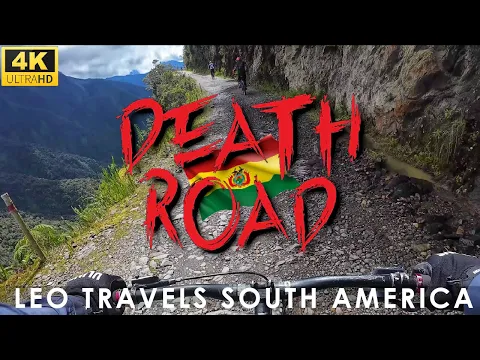

For decades, trucks, buses, and cars shared space on a narrow road of only 3 meters in some points, with no guardrails, constant mud, and subject to torrential rains, thick fog, and rockfalls. It is estimated that in its worst years, the road recorded hundreds of annual deaths, solidifying its reputation as the “Death Road.”
-
Brazil Secures Second Place at WorldSkills 2024 in Lyon, with 64 Young Professionals and 8 Medals, Including Gold from a Rio de Janeiro Hairdresser

-
3,000 Military Personnel from 10 Countries, Including US and Chinese Marines, Train Together in Brazil’s Savanna: Operation Formosa Becomes Largest Naval Ground Exercise Before First Cancellation Since 1988
-
UAE Sends 110 Date Palm Trees to Brazil, Signs $4 Million Deal to Boost Date Production in Bahia’s Hinterland, with Presidential Palace Receiving 10 Saplings
-
The Day the Soviet Union Forfeited Against Chile, Leading to an Uncontested Goal and a Spot in the 1974 World Cup


64 Km Of Curves, Precipices, And Unpredictable Climate In One Of The Most Dramatic Geographies In South America
Connecting La Paz (3,600 meters above sea level) to Coroico, already transitioning to the tropical rainforest, the North Yungas Road is about 64 kilometers long and traverses one of the most extreme altitude gradients on the planet. In just a few hours of travel, a driver can move from the thin, dry atmosphere of the Andes to warm, humid regions shrouded in fog.
This radical climatic variation contributes to a particularly dangerous combination:
- Constant rains cause mud and make the ground slippery;
- Fog creates white curtains that reduce visibility to inches;
- Rockfalls are common during rainy seasons;
- Limited width forces vehicles to maneuver millimetrically at the edge of the abyss;
- Rocks dislodge from cliffs with relative frequency.
In many stretches, the road is literally carved into the side of the mountain, with cliffs that drop almost vertically for hundreds of meters. A slip of just a few centimeters can mean a fatal fall.
A Historical Tragedy That Changed The Way The Country Sees Road Engineering
During the 20th century, the North Yungas Road was essential for agricultural transportation in Bolivia but also accumulated accidents that shocked the populace. Among them were buses that plunged down the mountain carrying dozens of passengers—tragedies that spread through the national press and fueled public fear.
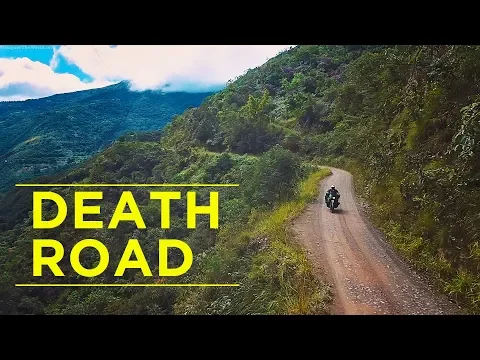
Reports from national transportation agencies indicated that the high number of deaths had multiple causes:
- Complete absence of side protection;
- Tight curves with no margin for error;
- Constant erosion of edges due to rain;
- Old or overloaded vehicles;
- Inexperienced drivers facing the extreme geography.
It was not until the 2000s that the Bolivian government began constructing an alternative route, wider, paved, and with modern containment structures, diverting some heavy traffic and significantly reducing the number of accidents on the historic road.
The Renaissance As An Extreme Tourist Attraction—But Still Dangerous
After the inauguration of the new road, the old route ceased to be the main transportation corridor and began to be sought out by another type of traveler: those seeking extreme experiences. Today, the North Yungas Road is widely used by adventure cyclists from all over the world, who descend the road in groups accompanied by guides and support vehicles.
The change in profile has reduced the total number of accidents, but not eliminated them. Every year, new incidents occur involving cyclists who:
- Lose control on the narrowest curves;
- Slide in the mud;
- Are surprised by rolling stones;
- Underestimate the altitude and physical fatigue.
The spectacular landscape—deep valleys, mountains shrouded in clouds, and stretches where the road seems suspended in empty space—makes the route one of the most impressive experiences in the world, but also demands absolute attention.
Why The Road Is Still Considered One Of The Most Dangerous On The Planet
Despite improvements in the surroundings and the reduction of heavy vehicle traffic, the North Yungas Road retains characteristics that place it at the top of rankings of lethal roads:
Extreme Cliffs
Falls of up to 800 meters, without protection.
Unpredictable Climate
Fog, rain, and landslides can arise within minutes.
Insufficient Width
In some stretches, only one vehicle fits.
Lack Of Modern Infrastructure
There is no lighting, advanced signage, or guardrails.
Real Statistical History Of Deaths
The road’s past includes decades of serious accidents.
Therefore, even with the transition to tourist use, authorities and local guides recommend maximum caution to anyone visiting the site.
One Of The Most Dramatic And Challenging Routes In The Modern World
The North Yungas Road combines all the elements that make a road legendary: gigantic cliffs, narrow curves, violent weather, extreme altitude, and a history of tragedies that marked Bolivia for decades.
Today, it has become a symbol of resilience, challenge, and adrenaline, attracting travelers from all continents looking to traverse, by bicycle or car, one of the most impressive routes on Earth.
At the same time, it remains a brutal reminder of how the geography of the Andes can be unforgiving and how engineering, nature, and fate can converge in one of the planet’s most extreme settings.