






 Portuguese
  Spanish


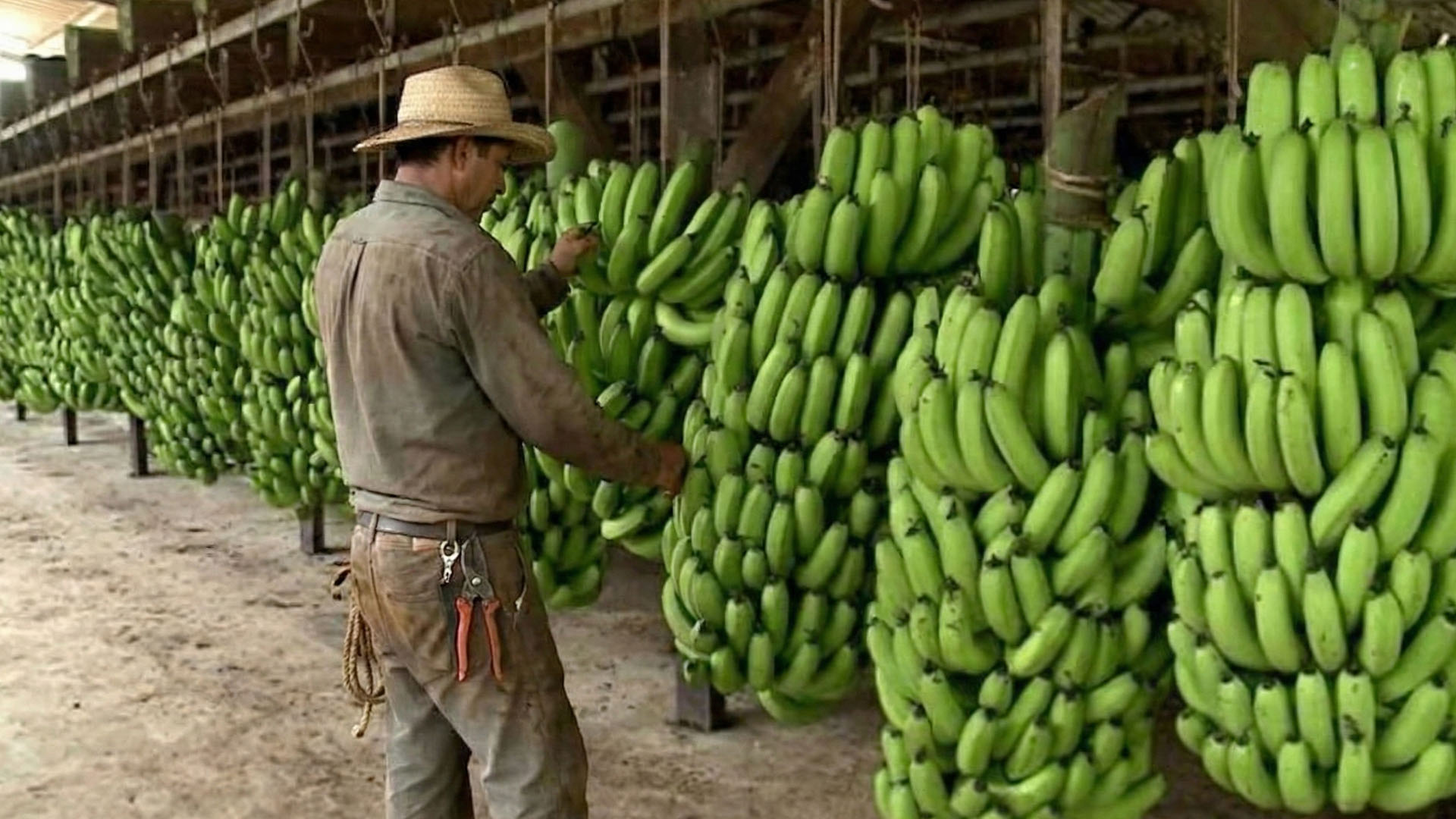


Banana Chain Moves Billions, Involves High Technology in the Field and in Cloning Laboratories, and Keeps Brazil Among the Largest Producers in the World. Understand How the Fruit is Grown, Harvested, Processed and Why it Remains Essential in the Diet of Brazilians.
Bananas are the most consumed tropical fruit on the planet. Estimates linked to the FAO indicate that global production already exceeds 120 million tons per year, concentrated in tropical countries such as India, China, and Indonesia.
In the international scenario, Brazil ranks as the 4th largest banana producer in the world and the absolute leader in the Americas. According to Embrapa, national production remains above 6.6 million tons annually, occupying areas in nearly all states.
For the consumer, bananas often seem like just a cheap fruit, always present in markets and supermarkets. However, behind each bunch lies a complex system, starting from seedling cloning laboratories and ending in processing centers with rigorous quality control.
-
Failed Family Bakery Sparks Engineer’s Innovation, Leading to a $100 Million Energy-Efficient Oven Company in Brazil

-
Elon Musk Loses Trillionaire Status as SpaceX Shares Plummet, Wiping Out $61 Billion in a Day

-
New Railway in Mexico Diverted to Preserve 4,000-Year-Old Rock Art Resembling Aztec Rain God
-
Chinese Researchers Discover Largest Whale Graveyard in Indian Ocean: Nearly 500 Skeletons, Some 5.3 Million Years Old, Reveal Ecosystem Insights and Potentially Unknown Species


World Banana Production and the Strength of Brazilian Banana Cultivation
According to recent statistics from the FAO, world banana production approaches 140 million tons annually, distributed across more than 130 tropical and subtropical countries. Most of this volume is consumed within the producing countries themselves, with only a fraction designated for export.
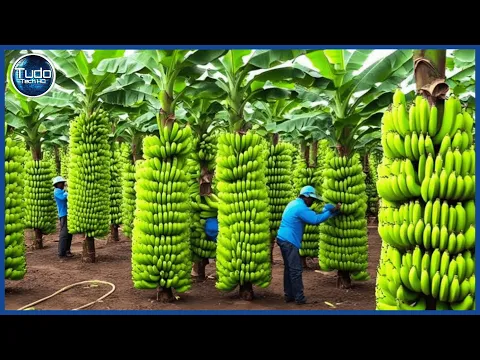

According to information from Embrapa, banana cultivation has consolidated itself as one of the main activities in Brazilian fruit production. The country is the fourth largest producer in the world, behind only India, China, and Indonesia, with production stabilized above 6.6 million tons per year and a strong presence in regions such as the Southeast and Northeast.
Economic studies indicate that the apparent consumption of bananas in Brazil is around 25 kg per person per year, placing the fruit among the most consumed in the country. Almost 98% of production is designated for fresh consumption, reinforcing the role of bananas as a basic and accessible food for different income brackets.
From Laboratory to Field: Micropropagation and Planting of Banana Plants
In large commercial farms, the banana cycle begins long before planting in the soil. Research from Embrapa shows that large-scale production of seedlings is increasingly done through micropropagation in laboratories, a technique that generates clonal, uniform plants with high sanitary standards, reducing the risk of pests and diseases.
From small fragments of the shoot apex of a selected mother plant, hundreds of seedlings are multiplied in a sterile environment, with controlled temperature and light, until they reach the ideal size for field planting.
Next, these seedlings are acclimatized in greenhouses and then taken to areas with soil rich in organic matter, good drainage, and high luminosity, typical conditions of the humid environments where banana plants thrive best.
Nine Months of Care: Management, Harvest, and Processing of Banana
Once in the field, the goal is to transform each seedling into a high-quality commercial bunch. Management includes supplemental irrigation during dry periods, fractional fertilization throughout the year, and constant control of weeds, fungi, and insects to ensure the vigor of the plants and the productivity of the banana plantation.
As flowers emerge, the banana plant forms structures called bracts, which protect the flowers and young fruits. In many properties, developing bunches are covered with perforated protective bags, which allow light to pass through, reduce insect attacks, and minimize damage caused by winds and friction between fruits.
The cycle from planting to harvesting typically takes 9 to 12 months, depending on the climate and irrigation availability. Data from the Confederation of Agriculture and Livestock indicates that each banana plant can produce 5 to 15 bunches, with fruits weighing about 100 grams, composed of approximately 75% water and 25% dry matter, which explains the soft and juicy texture of the pulp.
Harvesting is carried out when the fruits are still green but have reached the so-called physiological point, when the bunch is fully formed and ready to ripen during transport. In many farms, pairs of workers cut the bunch while another supports it on their shoulders or on cushioned supports, taking it to aerial cable systems or trailers to reduce impacts and damage to the skin.
In the processing center, the bunches undergo washing in tanks with running water, where they are cleaned and separated into “hands” of five to seven bananas, inspected for size, color, and integrity. Then, classification by caliber occurs, along with the placing of brand labels and lot registration, in compliance with traceability standards for fresh plant products defined by Anvisa and the Ministry of Agriculture in 2018, which require detailed records throughout the entire supply chain from farm to retail.
From Farm to Table: Consumption, Nutrition, and Challenges of Banana in Brazil
After processing and packaging, boxes are sent to distribution centers and retail networks throughout the country. Bananas typically reach the consumer while still at an intermediate stage of ripeness, completing their ripening in climate-controlled chambers or already on the shelves, which allows for continuous supply and relatively stable prices throughout the year.
From a nutritional standpoint, bananas are often pointed out by experts as a health ally. Reports from specialized science and health outlets highlight that the fruit is rich in carbohydrates, fiber, potassium, magnesium, and vitamins B6 and C, helping to maintain daily energy, contributing to blood pressure control, improving digestion, and even promoting better sleep.
Researchers, however, warn of the risks of relying on a few cloned varieties, such as those from the Cavendish group, which are highly vulnerable to diseases like Panama disease, which has already devastated commercial plantations in other times. Technical articles and scientific dissemination materials remind us that diversifying cultivars, investing in research, and following good practices in management and traceability are fundamental measures to keep bananas abundant, safe, and accessible on the tables of Brazilians in the coming decades.
Did you ever imagine that your everyday banana goes through laboratories, cutting-edge technology, and rigorous control before reaching your kitchen? Leave a comment saying whether you consider the price you pay fair given all the work and care throughout the chain. And also let us know if you think Brazil should invest even more in sustainable banana production and traceability to protect producers, consumers, and the environment.


Achei interessante este artigo!