Portuguese
  Spanish


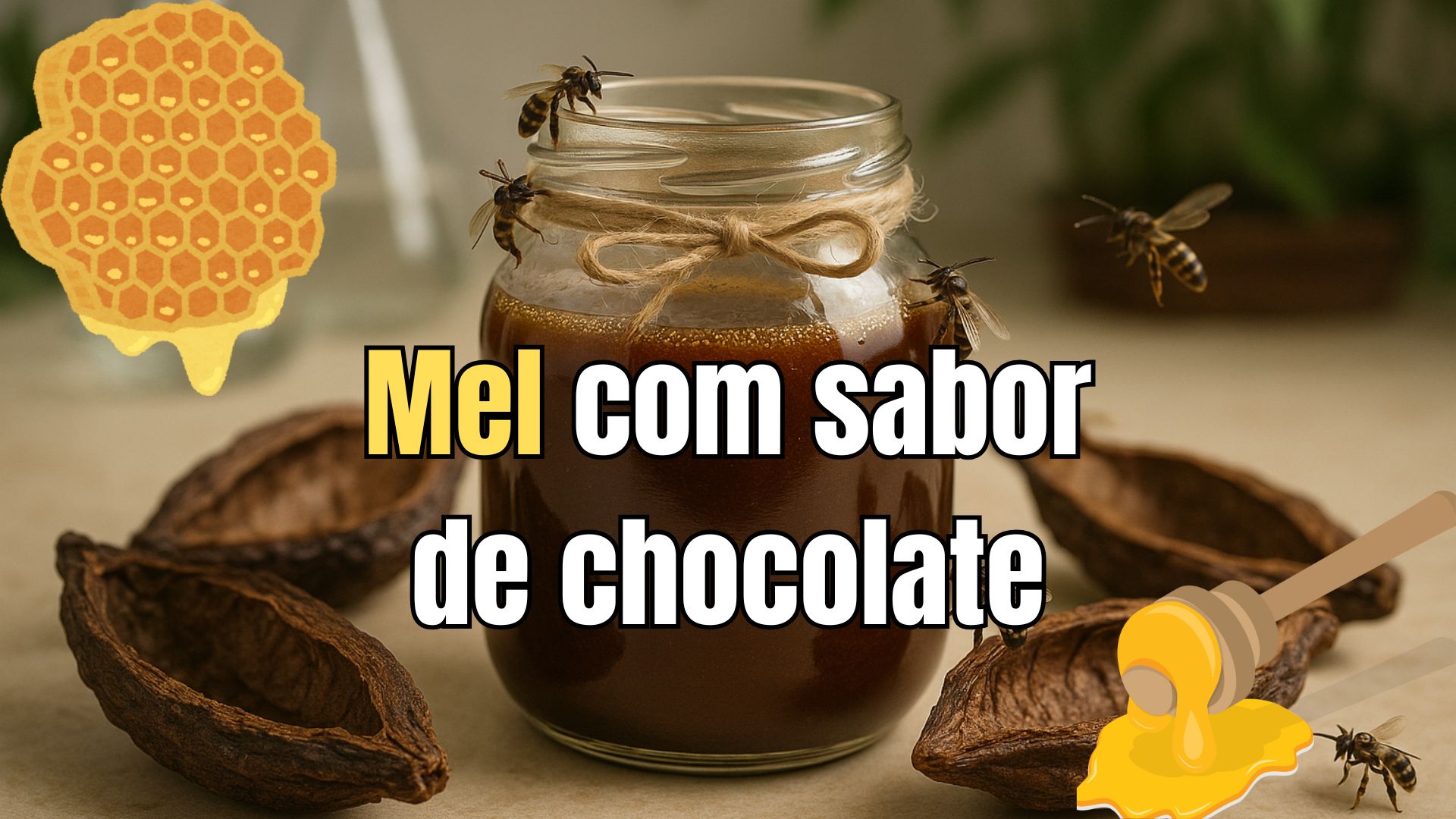

Researchers at Unicamp Transformed the Waste from Chocolate Production into a Tasty and Ecological Innovation: A Honey Enriched with Caffeine and Theobromine that Combines Flavor, Nutrition, and Sustainability
A group of scientists from State University of Campinas (Unicamp) has just developed a surprising creation: a chocolate-flavored honey. The innovation was born from the combination of honey from native stingless bees and the cocoa pod husk, a waste product that is normally discarded in chocolate production. The result is a functional food, full of bioactive compounds and with great potential for use in the food and cosmetic industries.
According to a study published in the journal ACS Sustainable Chemistry & Engineering, the honey acts as a natural edible solvent, extracting stimulating compounds such as theobromine and caffeine from the husks — substances known for their positive effects on heart health and for their energetic action. The method used, called ultrasound-assisted extraction, not only maintained the properties of the original honey but also enriched it with phenolic compounds, powerful natural antioxidants and anti-inflammatories.
A Honey that Resembles Chocolate and Can Change the Future of Healthy Eating
Although the researchers are still conducting sensory tests to evaluate the taste and texture of the new honey, the initial results have excited the Unicamp team. According to the scientists themselves, depending on the ratio between honey and cocoa husk, the product presents a distinct chocolate flavor, in addition to a pleasant texture and deeper color.
-
What is a red flashlight used for, after all? See why it is so commonly used at night.

-
He has never read a line of code, but he already knows how to work: the French company UMA presented in Paris the Northstar, its first AI-powered humanoid robot designed for factories and warehouses, capable of copying tasks just by observing an employee in action.

-
A young Kenyan engineer collects plastic waste from the streets and transforms it into robots that translate physics lessons into sign language in real-time, a machine made with old bottles that teaches what was missing to deaf children left out of science.
-
What is the dark substance found in the sand of Ipanema Beach? Civil Police conduct an examination, collect samples of the material, and initiate an investigation to identify the composition, clarify the origin, and verify if there was an environmental crime.




Felipe Sanchez Bragagnolo, the first author of the study and postdoctoral researcher at the Faculty of Applied Sciences (FCA) at Unicamp, stated that the goal is not only to offer a new flavor to the public but to create a functional food with high nutritional value. “Of course, the main appeal to the public is the flavor, but our analyses showed that it contains a quantity of bioactive compounds that make it interesting also from a nutritional and cosmetic perspective,” explained the researcher, who developed the work with the support of FAPESP.
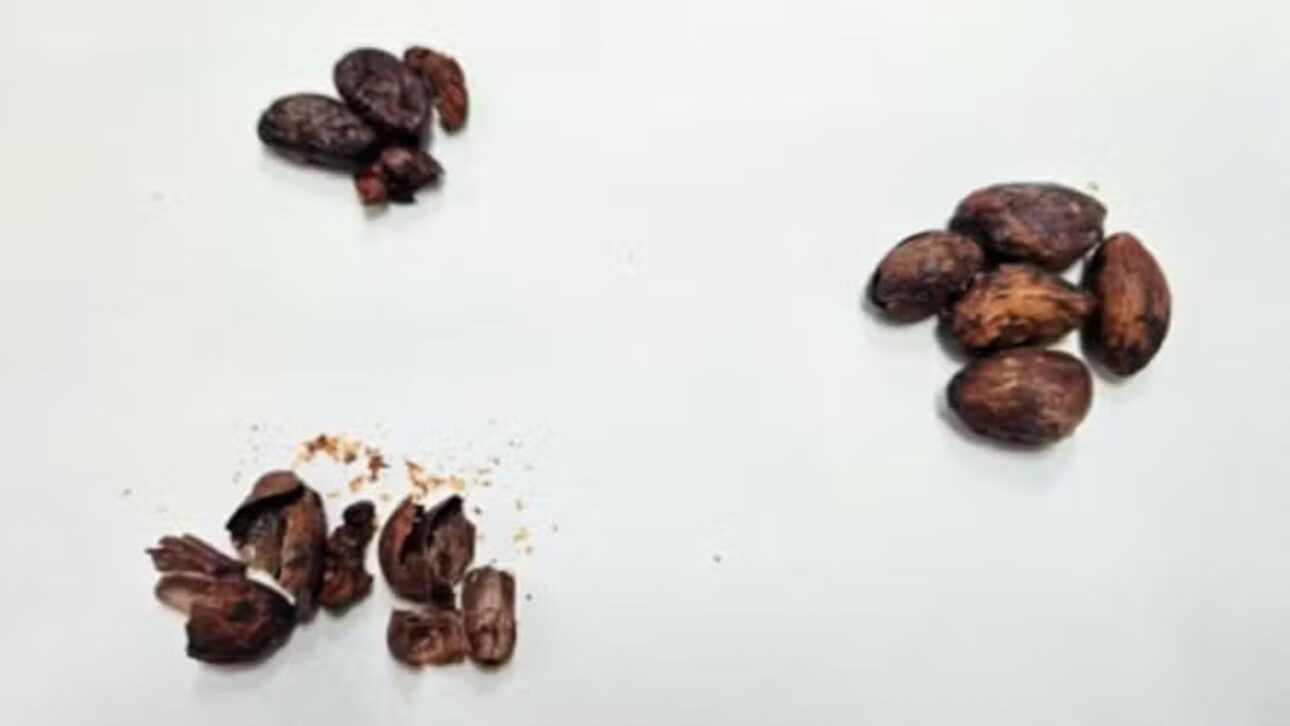
The information was disclosed by the portal Globo Rural, which highlighted that the project aligns with the principles of green chemistry, as it reuses an agro-industrial waste and replaces chemical solvents with a 100% natural ingredient.
Native Bees and Brazilian Biodiversity as Allies of Innovation
One of the most interesting differentials of the study is the use of native Brazilian bees, known for not having stingers and for producing honey with higher water content and lower viscosity. These characteristics make the honey more suitable to act as a natural solvent during the extraction process.
The scientists tested honey from five species common in Brazil: borá (Tetragona clavipes), jataí (Tetragonisca angustula), mandaçaia (Melipona quadrifasciata), mandaguari (Scaptotrigona postica), and moça-branca (Frieseomelitta varia). Among them, the honey from the mandaguari presented the ideal balance between water and viscosity, making it the chosen one to optimize the technique.
According to Bragagnolo, the method can be easily adapted to other types of honey, depending on regional availability and climatic conditions. “Honey is very sensitive to external conditions, such as temperature and storage. Therefore, the process can be adjusted for each local variety,” explains the researcher, reinforcing the sustainable potential and low environmental impact of the technique.
Clean Technology: How Ultrasound Extraction Works
The ultrasound-assisted extraction process is considered a milestone in green chemistry, as it is faster, safer, and more ecological. It uses a metal probe — similar to a pen — that vibrates at high frequency within the container containing the honey and cocoa husks. These vibrations generate microbubbles that implode, raising the local temperature and breaking the cell walls of the plant material. Thus, the bioactive compounds migrate to the honey, enriching it.
In addition to efficiency, the method reduces the need for chemicals and energy, making it an environmentally friendly alternative for the food and cosmetics industries. The scientists are also planning new studies to understand the impact of ultrasound on the microbiology of honey, as the process may eliminate undesirable microorganisms and prolong the shelf life of the product.
According to the article from Unicamp, this technique reinforces the role of Brazilian scientific research in creating solutions that combine innovation, sustainability, and the utilization of natural waste. With this, the country positions itself at the forefront of a new generation of functional foods and high-value natural ingredients.