






 Portuguese
  Spanish
  4 min of reading
  0 comments


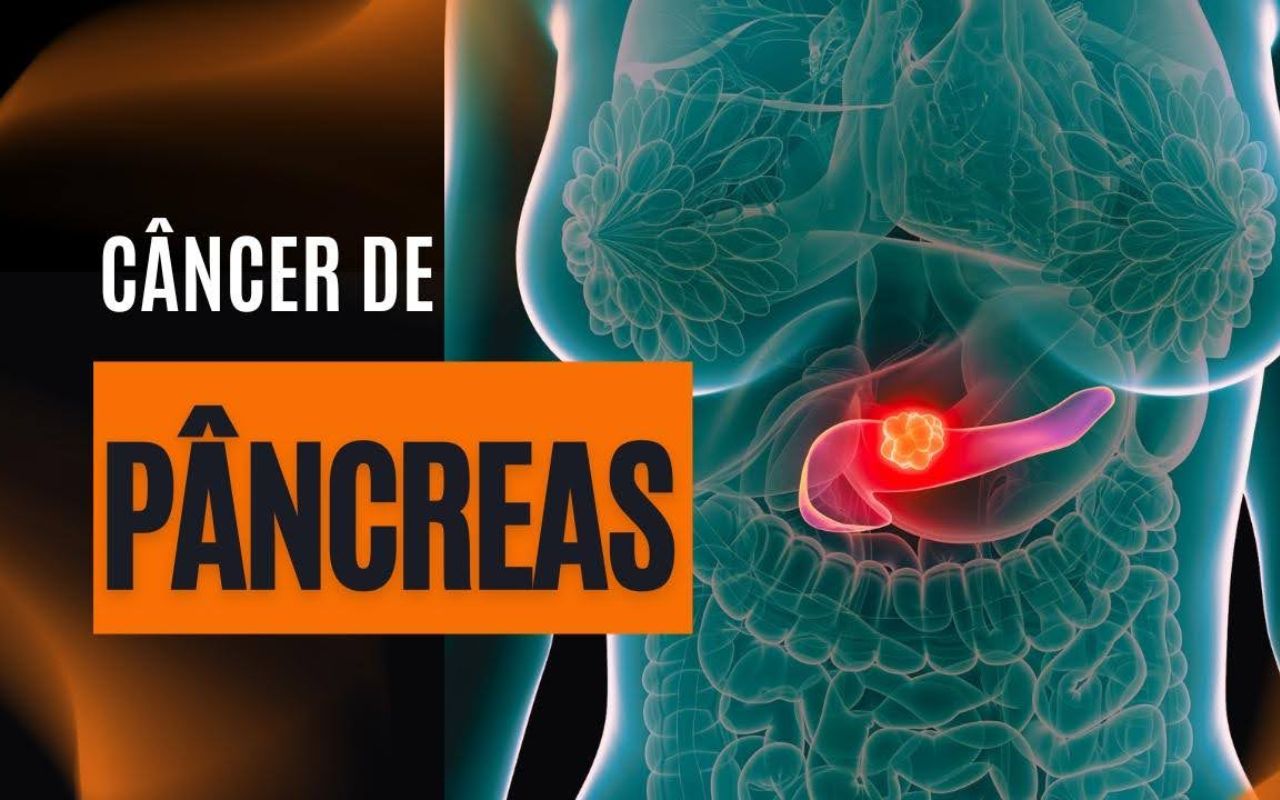
Research Led By Mariano Barbacid Shows That Combination of Drugs Eliminated Pancreatic Cancer Tumors in Animal Models With Low Toxicity.
An unprecedented therapeutic strategy against pancreatic cancer has shown historically significant results in the laboratory. In preclinical tests, the combination of three drugs was able to completely eliminate tumors in animal models, including those that faithfully reproduce the human disease.
The research was developed by the Cris Contra el Cáncer Foundation in Spain and led by oncologist and researcher Mariano Barbacid.
The results were published in the scientific journal Proceedings of the National Academy of Sciences (PNAS) and focus on pancreatic ductal adenocarcinoma, the most common and lethal form of the tumor.
-
Engineering students create a low-cost 3D-printed wheelchair for dogs and help the paralyzed dog Bili, who was born without legs, walk again for R$ 448.

-
Man creates ingenious hack with pipes buried 2.4 meters deep and transforms snow into a tropical fruit greenhouse; system created by a retired mailman uses ground heat, produces oranges and lemons in Nebraska’s winter and has already turned into more than 700 kits sold.
-
An African fish is terraforming lakes by altering sediments, increasing turbidity, and changing the food chain: the silent advance of the tilapia Oreochromis niloticus

-
In the USA, thousands of people are being paid to wash dishes and clean the house with body cameras, every movement turning into data to train robots to imitate humans, in a new “digital gig” that could redefine the future of domestic work.



The study was conducted recently in an experimental setting and reinforces a shift in approach to combating the disease: instead of attacking cancer through a single pathway, the proposal is to simultaneously block different vital mechanisms for its survival.
Why Does Pancreatic Cancer Remain Among the Most Deadly?
Even with advances in oncology, pancreatic cancer remains one of the greatest challenges in medicine.
The aggressiveness of the tumor, combined with late diagnosis in most cases, drastically reduces the chances of therapeutic success.
Another decisive factor is the tumor’s ability to quickly adapt to treatments. Isolated drugs often lose effectiveness because cancer cells activate alternative pathways to continue growing and resisting therapies.
In light of this scenario, interest is growing in strategies that can target cancer at multiple points simultaneously, reducing its escape margin.
Combined Strategy Targets Three Vital Tumor Targets
The great differential of the work led by Mariano Barbacid lies precisely in this combined logic. The researchers decided to simultaneously block three central elements for the maintenance of pancreatic cancer.
The main target is the KRAS oncogene, present in most pancreatic tumors and recognized as the primary driver of the disease.
In addition to this, the strategy also targets the proteins EGFR and STAT3, both associated with tumor growth, inflammation, and resistance to conventional treatments.
Although these targets were already known individually, the combination prevented the tumor from activating compensatory mechanisms, which is common when only one pathway is blocked.
Total Regression of Tumors in High-Complexity Models
In the experiments, the researchers observed the complete disappearance of tumors in different animal models.
Among them, PDX models stand out, which utilize tumor fragments taken directly from patients.
This type of model is considered one of the most advanced in preclinical oncology research, as it more faithfully reproduces the behavior of human cancer, including its aggressiveness and response to treatments.
The results reinforce the potential of the approach and suggest that the therapeutic combination could represent a new path in addressing one of the most challenging diseases in current oncology.

Durable Response and Low Toxicity Surprise Scientists
The treatment’s efficacy was not limited to the initial elimination of tumors. Tests showed that even after more than 200 days from the end of therapy, the animals remained free of signs of the disease.
Another crucial aspect considered was safety. Unlike what typically occurs in intensive cancer treatments, there were no reports of significant adverse effects.
For oncologist Mariano Barbacid, the results represent a relevant experimental advancement, indicating that well-planned therapeutic combinations can achieve durable responses with reduced toxicity levels.
Potential Impact in Light of Alarming Numbers
Today, pancreatic cancer remains among the tumors with the worst prognosis: only about one in ten patients survives beyond five years after diagnosis.
In Spain, the number of diagnoses already exceeds 10,000 per year, and in Brazil, the reality is similar, marked by high mortality rates and few effective treatment options.
This scenario highlights the urgent need for new drugs and therapeutic strategies capable of altering the course of the disease.
What Still Prevents Access for Patients
Despite the promising results, the treatment still needs to undergo clinical trials in humans. This stage depends on funding and regulatory approvals.
Some of the drugs used are already in advanced stages of development. The KRAS inhibitor RMC-6236, for example, may receive approval for some indications by 2027.
Meanwhile, the STAT3 degraders are undergoing clinical trials for other types of cancer.
The main obstacle, according to Mariano Barbacid, lies with Afatinib, an EGFR inhibitor approved for certain lung cancers but still not authorized for tumors associated with KRAS mutations, common in pancreatic cancer.
Pressure for More Regulatory Agility
In light of the discovery’s potential, the Cris Contra el Cáncer Foundation advocates for faster approval processes.
The president of the institution, Lola Manterola, calls for cooperation among governments, regulatory agencies, and research centers to expedite access to innovative therapies.
If the results are confirmed in humans, the combination of drugs could represent a paradigm shift in the treatment of pancreatic cancer by simultaneously targeting multiple vital points of the tumor.
With information from Gizmodo




-

-

-

-

9 people reacted to this.