






 Portuguese
  Spanish


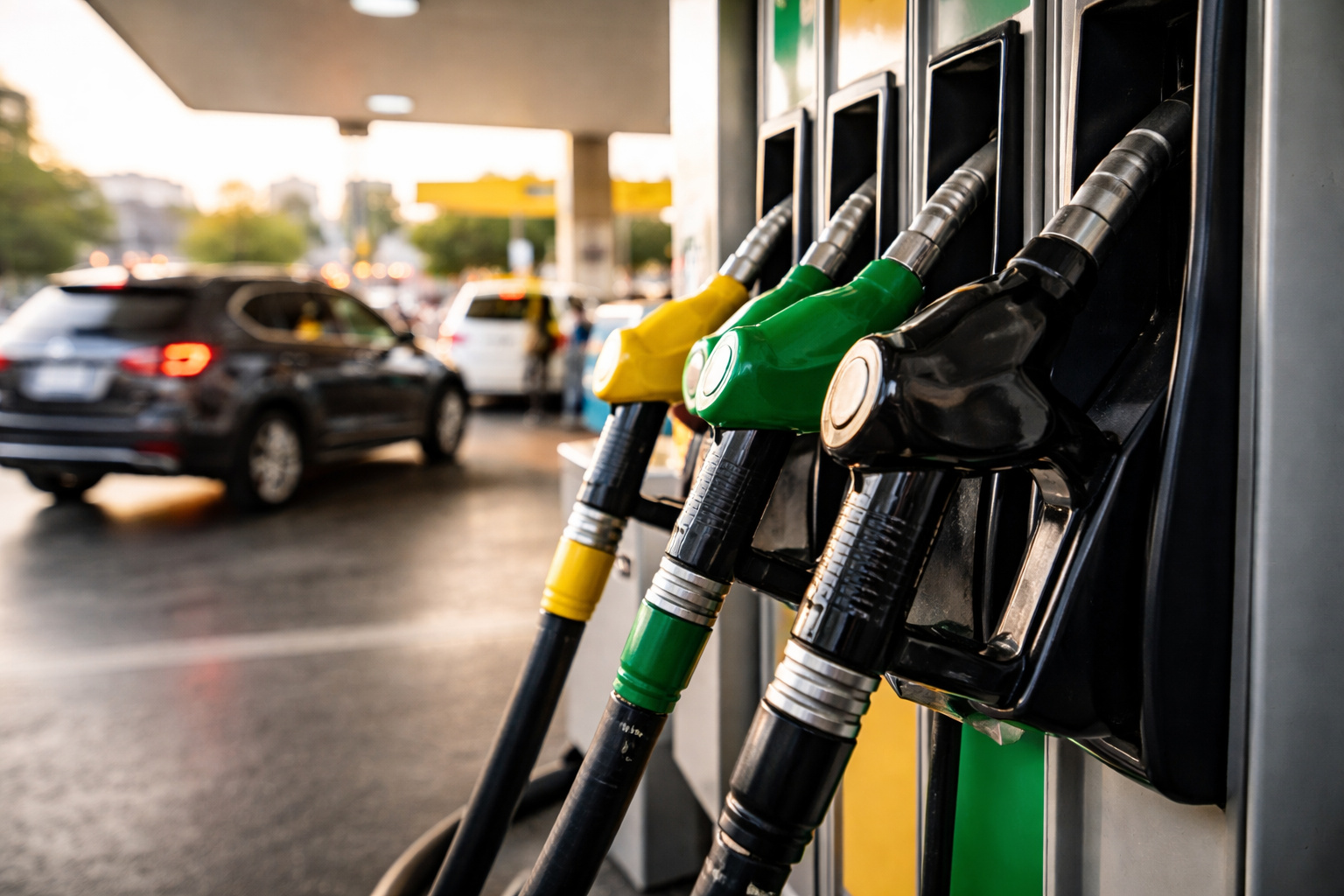

Widespread Increase in Fuels Marks January 2026, with Ethanol Leading Price Hikes, Gasoline Rising in Most States and Diesel S-10 with Mixed Regional Behavior, According to ValeCard Data.
Right at the beginning of January 2026, fuel prices experienced a widespread increase in Brazil, according to a survey by ValeCard, based on transactions conducted between January 1 and 26 at over 25,000 accredited gas stations. So far, gasoline, ethanol, and diesel recorded increases, albeit at different intensities, reflecting tax and seasonal factors.
On average nationwide, regular gasoline rose from R$ 6.379 in December 2025 to R$ 6.483 in January 2026, representing a 1.63% increase. At the same time, hydrated ethanol experienced the largest increase, climbing 3.46%, while diesel S-10 saw a more moderate rise of 0.56%, according to the consolidated data.
Gasoline Rises in Most States and Pressures Regions
-
Half of Brazilians Prefer Lower Taxes with Private Health and Education, While 44% Opt for Higher Taxes for State-Provided Services, Datafolha Survey Reveals

-
Brazil’s Most Expensive Toll Rises to R$ 40.60 on Route from São Paulo to the Coast, Nearly Matching Bus Fare to Santos

-
As Brazil Expands Social Welfare, Survey Reveals 40% Blame Poverty on Laziness, While 58% Cite Lack of Opportunities

-
China Tightens Control on Antimony, Driving Prices from $22,000 to Nearly $40,000 per Ton as U.S. Rushes to Bolster Strategic Reserves




Initially, gasoline recorded increases in 24 states, particularly notable in the Northeast and South. In Rio Grande do Norte, for example, the average price jumped 6.36%, from R$ 6.101 to R$ 6.489, the highest increase in the country during this period. Additionally, states like Santa Catarina (+3.57%), Bahia (+2.50%), and Rio Grande do Sul (+2.32%) also saw significant variations.
Meanwhile, the Northern region had the highest average gasoline prices, with values above R$ 7.40 in Acre and Roraima, although the percentage variations were more contained. On the other hand, Amazonas, Alagoas, and Sergipe were isolated exceptions, with slight declines.
Ethanol Surges in January, with Northeast Leading Increases
Subsequently, ethanol established itself as the fuel with the greatest inflationary pressure in January 2026. In the Northeast, the increases were significant, especially in Rio Grande do Norte, where the average price rose 12.91%, from R$ 4.461 to R$ 5.037. Similarly, Pernambuco, Bahia, and Paraíba also recorded increases exceeding 4%.
In the North, Roraima had the second-largest percentage increase in Brazil, with a rise of 8.57%, while states like Pará, Tocantins, and Acre also advanced. In the Southeast, despite the increases, São Paulo remained among the lowest average prices, even after rising to R$ 4.477.
Where It Pays to Fuel Up with Ethanol in January 2026
According to the methodology of ValeCard, ethanol is financially advantageous when it costs up to 70% of the price of gasoline. Thus, in January 2026, only Amapá, Mato Grosso do Sul, and Mato Grosso met this criterion, maintaining economic advantage for the consumer.
Diesel S-10 Has Point Increases and Diverse Regional Scenario
Finally, diesel S-10 exhibited a more balanced behavior. In the South, despite increases in all states, the region maintained the lowest average prices in the country. In contrast, the Northeast concentrated the largest percentage increase, again highlighting Rio Grande do Norte, which rose 3.22% in the month.
In the North, however, the scenario was mixed. States like Amapá and Acre recorded significant declines, while Roraima and Tocantins showed price increases. According to Marcelo Braga, director of Mobility and Operations at ValeCard, the combination of ICMS adjustments, in effect since January 1, 2026, and the interharvest period for sugarcane explains part of the movement observed at the pumps.


