Portuguese
  Spanish


The 4.91% adjustment in the Anchieta-Imigrantes System started to apply on July 1, 2026, approved by Artesp, and the bill is not higher only because the arrival of electronic toll gates will split the charge into R$ 20.30 per direction
The most expensive toll in Brazil has become even more costly. Since July 1, 2026, those descending the mountain via the Anchieta-Imigrantes System, which connects São Paulo’s capital to the Baixada Santista via the Anchieta (SP-150) and Imigrantes (SP-160) highways, pay R$ 40.60 for the fare that previously cost R$ 38.70, according to the Diário do Comércio.
The report’s own comparison summarizes the size of the bite: the fare for a single toll is almost the price of a bus ticket from São Paulo to Santos, according to the Diário do Comércio. It is the new ceiling of national road costs, and it has an address, contractual justification, and even a date to change format.
From R$ 38.70 to R$ 40.60: the 4.91% adjustment
The increase was not a counter decision. According to Metrópoles, the R$ 1.90 adjustment, about 4.9%, was approved by Artesp, the São Paulo State Transport Agency, as part of the annual tariff update provided for in the concession contracts.
-
As Brazil Expands Social Welfare, Survey Reveals 40% Blame Poverty on Laziness, While 58% Cite Lack of Opportunities

-
China Tightens Control on Antimony, Driving Prices from $22,000 to Nearly $40,000 per Ton as U.S. Rushes to Bolster Strategic Reserves

-
BlackRock Freezes $1 Billion in Brazilian Renewable Energy, Impacting 1.5 GW of Planned Projects and Highlighting Investor Concerns Over Infrastructure Bottlenecks Cutting Up to 25% of Solar and Wind Generation
-
Labor Shortage: Despite Record Average Salary, 90% of Brazilian Bar and Restaurant Owners Struggle to Hire Key Roles Like Sushi Chefs and Head Cooks


It is the standard mechanism for concessioned highways: the contract guarantees the concessionaire the correction of the fare by the inflation of the period, and the agency approves the value in the Official Gazette, without depending on a new debate each year. The system is managed by Ecovias, part of the Ecorodovias group, according to Metrópoles, and the correction came with the turn of the semester.
It is worth noting the recent history of expectations: at the beginning of the year, the information circulating was that there was no forecast for a fare increase, which made the June announcement a bitter surprise for frequent drivers. Between the promise of stability and the Official Gazette, the contract’s ritual prevailed, as it always does.
Where the most expensive toll in Brazil is charged
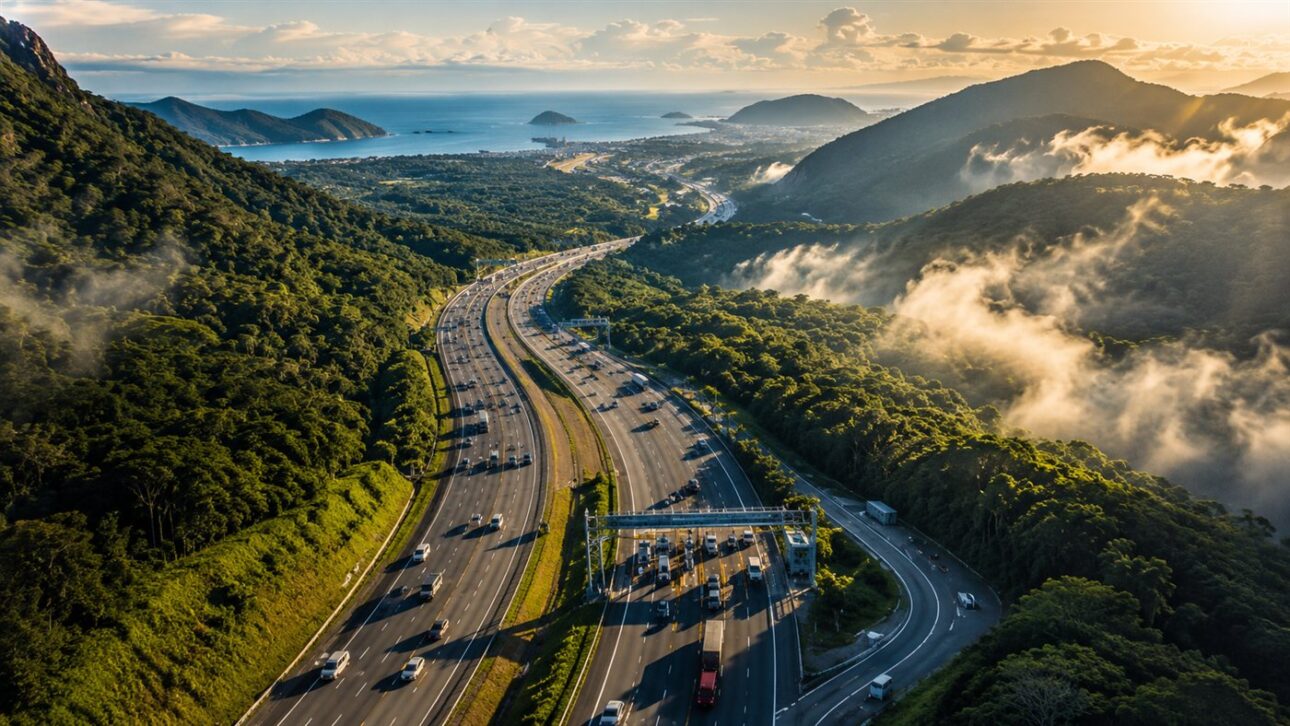
The location of the toll explains part of the cost. According to Metrópoles, the toll plazas are located in Riacho Grande, at km 31 of the Anchieta, and in Piratininga, at km 32 of the Imigrantes, at points that provide access to the mountain section, one of the most expensive roadworks to maintain in the country.
The section is not just any road. The descent of the Serra do Mar stacks viaducts, tunnels, and lanes embedded in the Atlantic forest slope, with permanent drainage, slope containment, and emergency operations. Every real of the toll fee carries the cost of maintaining an engineering feat that crosses the rainiest mountain range in the Southeast, and this is what differentiates the Imigrantes toll from a plateau plaza.
Why only those going down pay, for now
A peculiarity of the system surprises those not from the region: the toll is concentrated. According to Metrópoles, the charge occurs only in the coastal direction, meaning the driver pays the R$ 40.60 all at once when descending the mountain, and does not pay an equivalent toll on the return.
The design has historical and operational logic, but it produces the psychological effect that every summer highlights. The full amount concentrated in a single stop makes the toll seem even higher than the daily average for those using the system in both directions, and it fuels year after year the title of the most expensive toll in the country, which no other plaza comes close to threatening.
Free flow: the change that cuts the toll in half
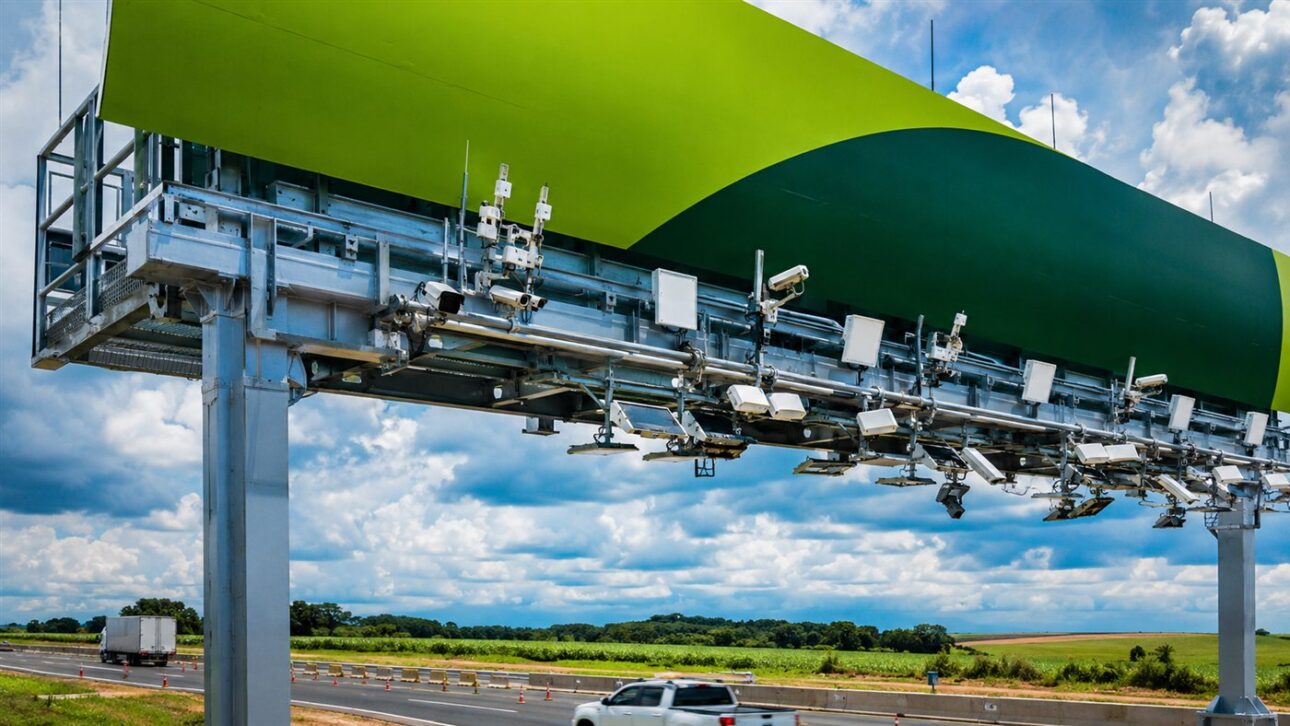
The good news is in the technology schedule. According to Diário do Comércio, the physical toll plazas will be replaced by free flow gantries, structures with cameras and sensors that identify the vehicle in motion, without a barrier and without stopping, and the toll will be divided: half on the ascent, half on the descent.
In practice, the R$ 40.60 becomes R$ 20.30 in each direction, charged electronically as the car passes at speed under the gantry, as detailed by Metrópoles. Besides splitting the impact on the wallet, the model eliminates toll plaza queues during holidays, one of the classic bottlenecks of the descent to the São Paulo coast.
Technology also changes the driver’s relationship with toll collection. Without a barrier, payment is made via tag or license plate identification, with the bill arriving later, and those without a tag need to pay attention to the concessionaire’s payment channels to avoid turning the passage into a fine. It’s a change of habit that the rest of the country will copy, as the portals are already planned in practically all new federal and state concession contracts.
The other system fees also increased
The July adjustment didn’t stop in the mountains. According to Metrópoles, the Cônego Domênico Rangoni Highway went from R$ 18.30 to R$ 19.20, and the Padre Manoel da Nóbrega increased from R$ 10.90 to R$ 11.40, completing the update of the system’s toll booths serving the Baixada Santista.
For those who travel daily between the coastal cities and the plateau, the total adds up. A truck driver or app driver crossing the system every weekday will see the adjustment multiply by dozens of monthly trips, and that’s why every cent of toll on a high-traffic highway becomes a public discussion.
Almost the price of a bus ticket: the measure of absurdity
The comparison with the bus ticket is not empty rhetoric; it’s the measure that the user understands. For the price of driving down the mountain with a car, a person can almost buy the seat that makes the same journey with a professional driver, and the car’s cost hasn’t even included fuel, wear and tear, and parking.
The counterpoint is what the toll covers. A mountain highway with international operational standards, quick rescue, continuous monitoring, and a dual carriageway is expensive in any country in the world, and the Anchieta-Imigrantes System is the route for almost everything that enters and leaves the largest port in Latin America, in Santos. The record toll is, in essence, the price of driving the logistics of an entire country for a single mountain descent.
There is also the ripple effect that few drivers see: the truck that descends the mountain paying the full toll incorporates this cost into the freight, and the freight incorporates it into the price of everything that arrives at or leaves the port. When the most expensive toll booth in the country adjusts, the impact is not limited to those traveling to the beach; it spreads, cent by cent, across the state’s shelves.
What drivers can do to pay less
While free flow doesn’t split the bill, the user’s alternatives are limited but exist. Automatic payment tags avoid queues and, in several operators, offer discounts on subscriptions or recurring benefits; planning the trip outside peak times reduces the indirect cost of idle time; and following the Artesp calendar informs when the portals come into operation with the new divided charge.
The biggest lesson is for the wallet and public debate: toll is a contractual fee, it increases every year and only changes logic when technology or the contract changes. The upcoming electronic toll collection without stopping is the first structural change in decades in the way the toll is charged, and the São Paulo driver will be the first in the country to feel, in the statement, the difference between paying all at once and paying half in each direction.
Tell us in the comments: R$ 40.60 to go down the mountain with a dual carriageway and rescue on standby, is it expensive or is it the fair price for the structure?