






 Portuguese
  Spanish


The New Version of RenovaCalc Strengthens the Calculation of the Carbon Footprint of Sustainable Fuels, Expanding Raw Materials and Bringing Brazil Closer to International Aviation and Clean Energy Standards
The modernization of RenovaCalc marks a new chapter for Brazil in assessing the carbon footprint of sustainable fuels, according to a report published.
The official system of the National Biofuels Policy (RenovaBio) now includes enhanced tools that allow for more precise calculations of carbon intensity, aligning the country with international standards.
The update was presented in 2025 in the paper “Advancing RenovaCalc: the Brazilian tool for calculating the carbon intensity of sustainable fuels in alignment with international policies”, reinforcing Brazil’s strategic role in the global energy transition.
-
US$ 7 billion, green hydrogen, and steel with up to 95% less CO₂: the first green steel plant on the planet emerges in Sweden and targets Brazil as the next chapter

-
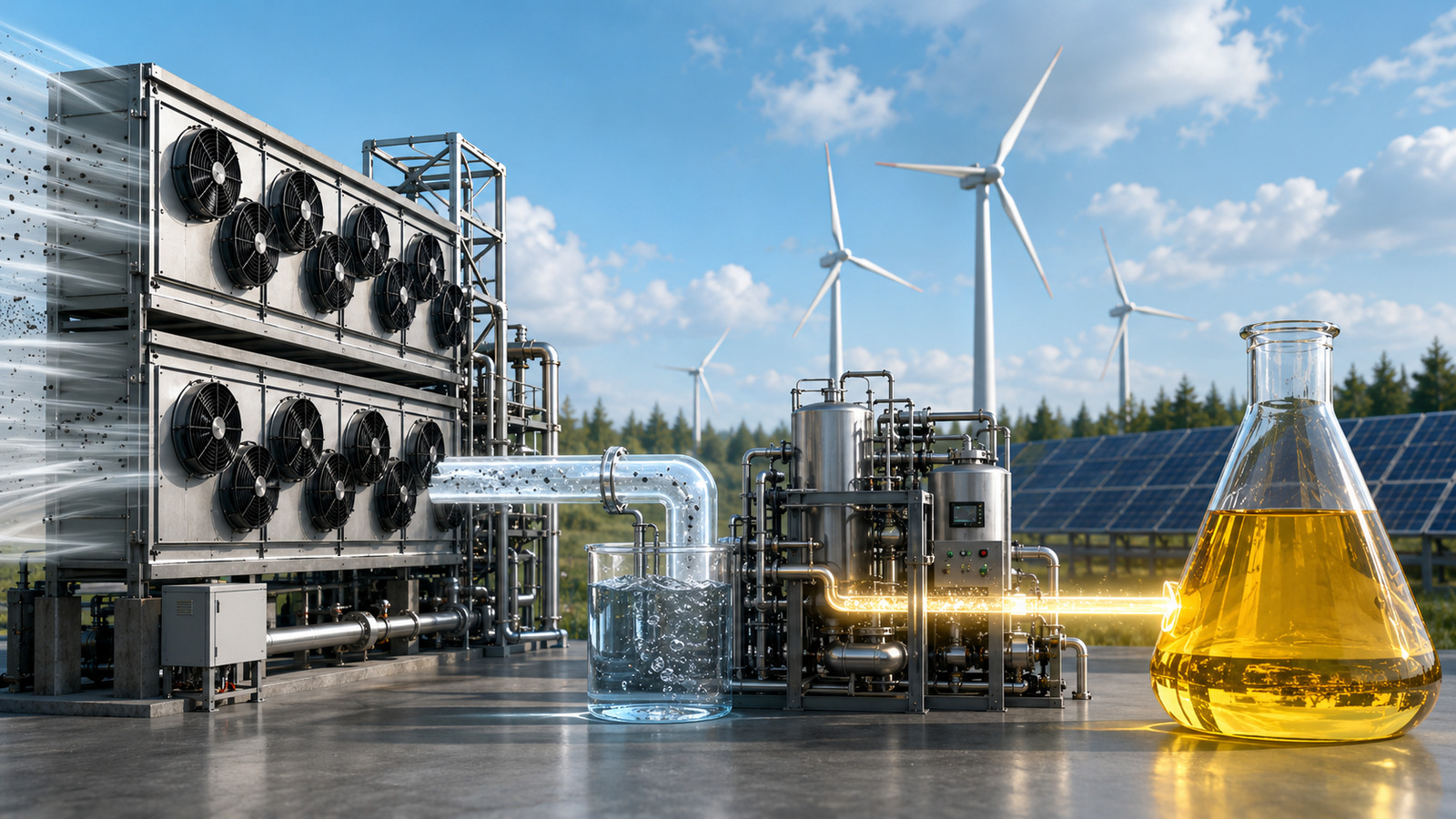
Swedes manage to create synthetic fuel with CO₂, water, and renewable energy, compatible with current engines, but face a huge problem: the energy expenditure is still double the return.
-
Brazil begins to transform wheat, residues, sweet potatoes, and soy molasses into ethanol, in a new phase of biofuels that seeks to utilize leftovers from the field and industry to fuel flex-fuel cars.

-
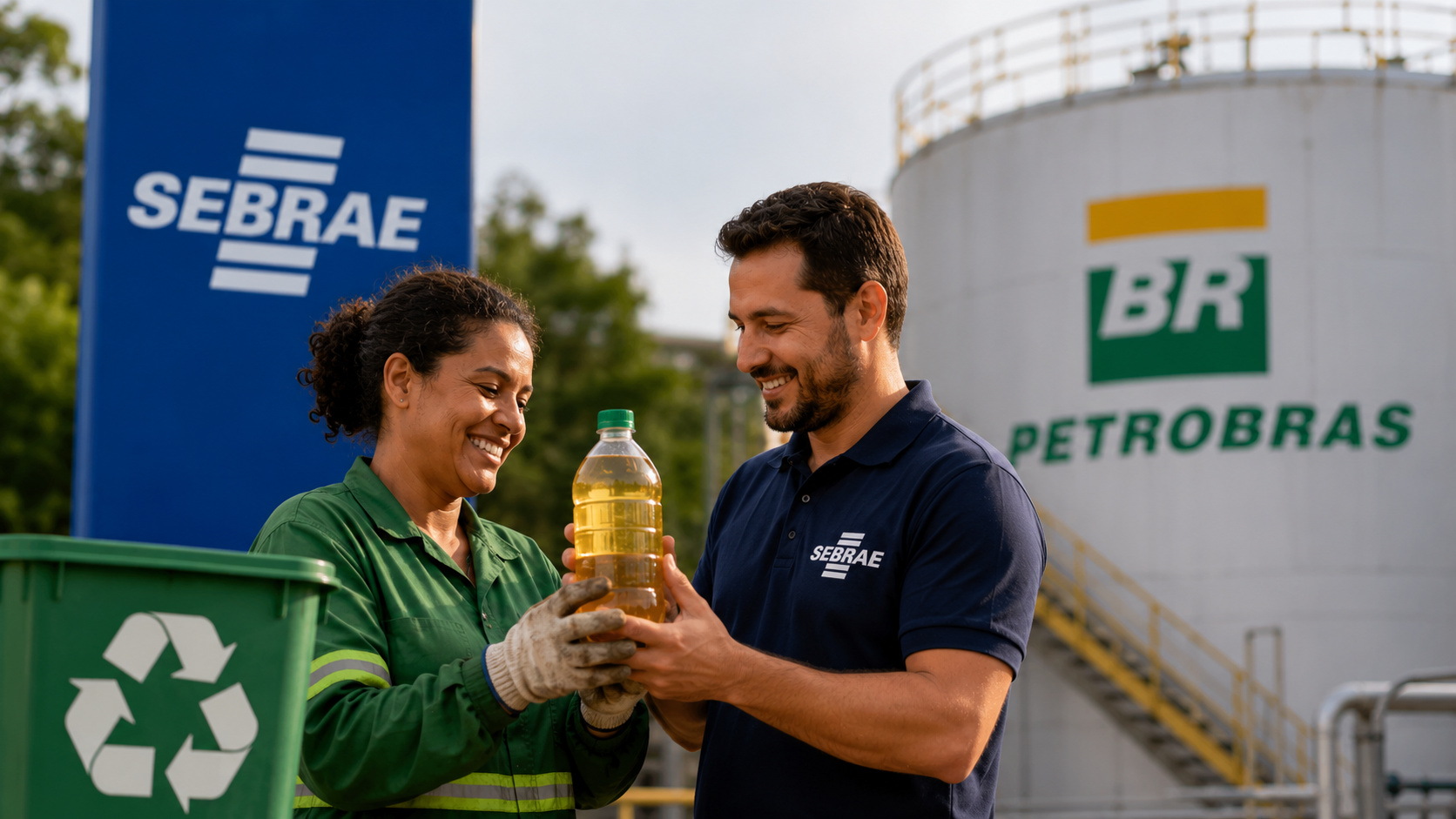
Sebrae and Petrobras join forces in Ceará to include waste pickers in the circular economy and strengthen the biofuel chain, creating new income opportunities and expanding the sustainable use of waste with a direct impact on regional development.



RenovaCalc and the International Alignment of Aviation Biofuels
The improvement of RenovaCalc represents a milestone for the sustainable fuels sector, especially aviation fuels. Developed by Embrapa Meio Ambiente with support from Finep and Fundação Faped.
The tool now includes the HEFA (Hydroprocessed Esters and Fatty Acids) module, which calculates the carbon intensity of fuels derived from vegetable oils and residual fats.
According to researcher Marília Folegatti, the expansion of raw materials, such as the incorporation of palm oil, previously absent, makes the analyses more representative of Brazilian agriculture.
This update will be validated by ANP by 2026, consolidating a methodology compatible with the CORSIA program of the International Civil Aviation Organization (ICAO).
Professor Edgar Silveira from the University of Brasília (UnB) emphasizes that this process reflects an unprecedented integration between academia, government, and the productive sector.
He explains that the goal is to harmonize the Brazilian scientific base with international standards while maintaining the particularities of the national energy matrix.
This interinstitutional effort strengthens the credibility of Brazilian biofuels in the global market, enhancing the international recognition of RenovaBio.
Environmental Certification and Regulatory Convergence with CORSIA
The advancement of RenovaCalc increases the reliability of sustainable fuels certified in Brazil.
The comparison between the system’s results and the CORSIA reference values shows strong convergence, although there are still adjustments to be made, mainly concerning raw material eligibility rules and land-use change criteria.
For Embrapa analyst Priscila Sabaini, this compatibility is essential to ensure real benefits in reducing greenhouse gases.
Giulia Lamas adds that the alignment prevents collateral impacts such as deforestation and pressure on agricultural areas designated for food.
In practice, RenovaCalc defines the volume of Decarbonization Credits (CBIOs) that each producer can issue.
This mechanism transforms environmental performance into economic value, stimulating more sustainable practices.
By incorporating the HEFA module, Brazil also paves the way to integrate into global sustainable aviation chains, allowing that nationally certified biofuels meet the demands of the international air market.
Sustainable Fuels: Green Export and Energy Transition Based on Innovation
The enhancement of RenovaCalc reinforces Brazil’s leading role in sustainable fuels production, expanding export opportunities and consolidating its position in clean energy chains.
Convergence with CORSIA may allow the country to export biofuels recognized by international sustainability and traceability standards.
The researchers involved, including Thiago Gonzales, Gabriela Pompeu, and Rosana Guiducci, emphasize that the tool’s update benefits not only the aviation sector but also other segments such as ethanol, biodiesel, and biogas.
Methodological harmonization and scientific rigor make RenovaCalc a reference for developing countries seeking to integrate into global carbon accounting systems.
With this advancement, Brazil strengthens its leadership in innovation applied to renewable energy, demonstrating that it is possible to unite economic competitiveness, transparency, and environmental sustainability.
The initiative contributes to a robust and traceable energy transition, positioning the country strategically in the low-carbon economy driven by sustainable fuels.



Be the first to react!