






 Portuguese
  Spanish
  3 min of reading


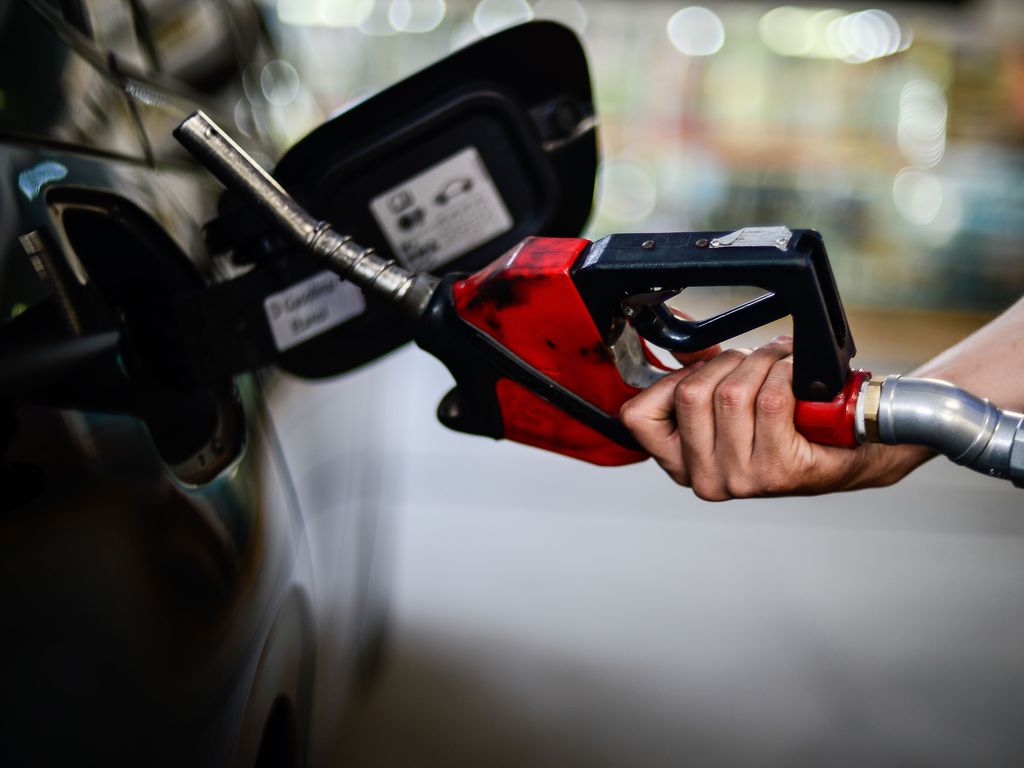
Commission Will Discuss on Next Wednesday, June 1, the Increase in Fuel Prices and the Methodology Used by Petrobras to Set Prices
On next Wednesday, June 1, the Finance and Taxation Commission of the Chamber of Deputies will hold a debate on the increase in fuel prices in Brazil. In addition to discussing fuel, the methodology used by Petrobras to raise prices is also on the agenda. The debate comes after a request from Deputy Luis Miranda of the Republicans-DF.
Deputy Luis Miranda highlights the ongoing increases in gasoline prices in the country. Additionally, the deputy also reminded that the National Agency of Petroleum, Natural Gas and Biofuels (ANP) recorded the highest average price since the beginning of the historical series. “Some states report fuel prices at R$ 8.00, as in the Northern region, according to a report aired on Rede Brasil. It is outrageous, a clear disrespect to the consumer who pays their taxes on time,” said Luis Miranda.
See the complete list of guests for the debate in the Chamber of Deputies
-
Central Bank changes rule that lasted decades and allows dollar and euro accounts in Brazil for exporters and companies with foreign capital, eliminating the need for currency exchange in some transfers starting in October 2026.

-
The Central Bank ends the R$ 500 limit on Pix by approximation, and account holders will be able to use the general Pix limit to pay any amount by tapping their phone on the terminal starting in October 2026.
-
A collective political will that allows for the creation of a cross-party and state agenda, focusing on concrete actions such as reducing the Custo Brasil; commitment to fiscal balance; feasible goals that enhance professional qualification and the adoption of a myriad of incentives aimed at innovation.

-
PIX from BRICS becomes reality: BRICS Pay advances to enable international payments without the dollar; system inspired by Pix and based on blockchain could move up to 20% of global trade by 2030, while bloc countries already account for 40% of the world economy.




– the president of the Union of Retail Trade of Fuels and Lubricants of the Federal District, Paulo Roberto Correa Tavares;
– the legal director of the United Federation of Oil Workers, Mario Dal Zoot;
– the political advisor of the Institute of Socioeconomic Studies, Livi Gerbasi.
Those interested in following and participating in the debate can do so online.
Fuel Prices Keep the Federal Government Awake at Night
The high price of fuel is a problem that the federal government is trying to alleviate by the end of the year, when President Jair Bolsonaro’s term ends. The government’s plan is to try to approve as many measures as possible that will reduce the price of gasoline and diesel for consumers by the year’s end. In addition, a proposal that provides more transparency on how Petrobras sets gasoline prices is also being reviewed.
Last week, the Chamber of Deputies approved a bill that limits ICMS to 17% on fuels, electricity, telecommunications, and public transportation. “The most important thing is to give a response today to the Brazilian population, which can no longer bear this high cost of living, this anguish of seeing the family budget eroded every week precisely by the price of two significant items: fuel and energy,” said Danilo Freite, the bill’s author.
Limiting ICMS Causes Controversy
On the other hand, the approval of the bill that limits the ICMS is not well viewed by states and municipalities. According to the president of the National Committee of State and Federal District Finance Secretaries (Comsefaz), states and municipalities could lose up to R$ 83 billion a year in revenue. Because of this, states promise to propose an alternative bill.
“We will present an alternative bill to President Rodrigo Pacheco. One of the proposals under discussion is the application of the moving average of the last 60 months for diesel prices to calculate the ICMS base,” said Délcio Padilha, president of Comsefaz.




Be the first to react!