






 Portuguese
  Spanish




Do You Want to Know How China is Able to Build Buildings and Infrastructure at Record Speeds? Let’s Uncover the Secrets Behind This Impressive Efficiency.
China builds buildings and infrastructure at a pace that seems impossible. Imagine a 57-story building erected in just 19 days or a hospital built in 10 days. How do they achieve this? Let’s explore how China utilizes technology, innovation, and a unique approach to accomplish these incredible feats.
From the construction of the Great Wall to today, China continues to amaze the world with its ability to erect gigantic structures quickly. The key to this speed starts with planning and land acquisition. There, the government is the sole owner of urban land, eliminating many obstacles right from the start. When the government decides to construct new infrastructure, it already owns the necessary land, saving a significant amount of time.
Construction Projects in China Can Start Almost Immediately After the Decision to Build


The politically controlled system by the Communist Party allows bidding processes and licensing approvals to be extremely quick, often completed in just a few hours. This means that construction projects can begin almost immediately after the decision to build, drastically accelerating the entire process.
-
City Hall spends almost R$ 2 million on a wooden bridge only 2.5 meters wide to prevent the isolation of 5,000 people, but information about lifespan, load, and maintenance does not appear in public disclosures.

-
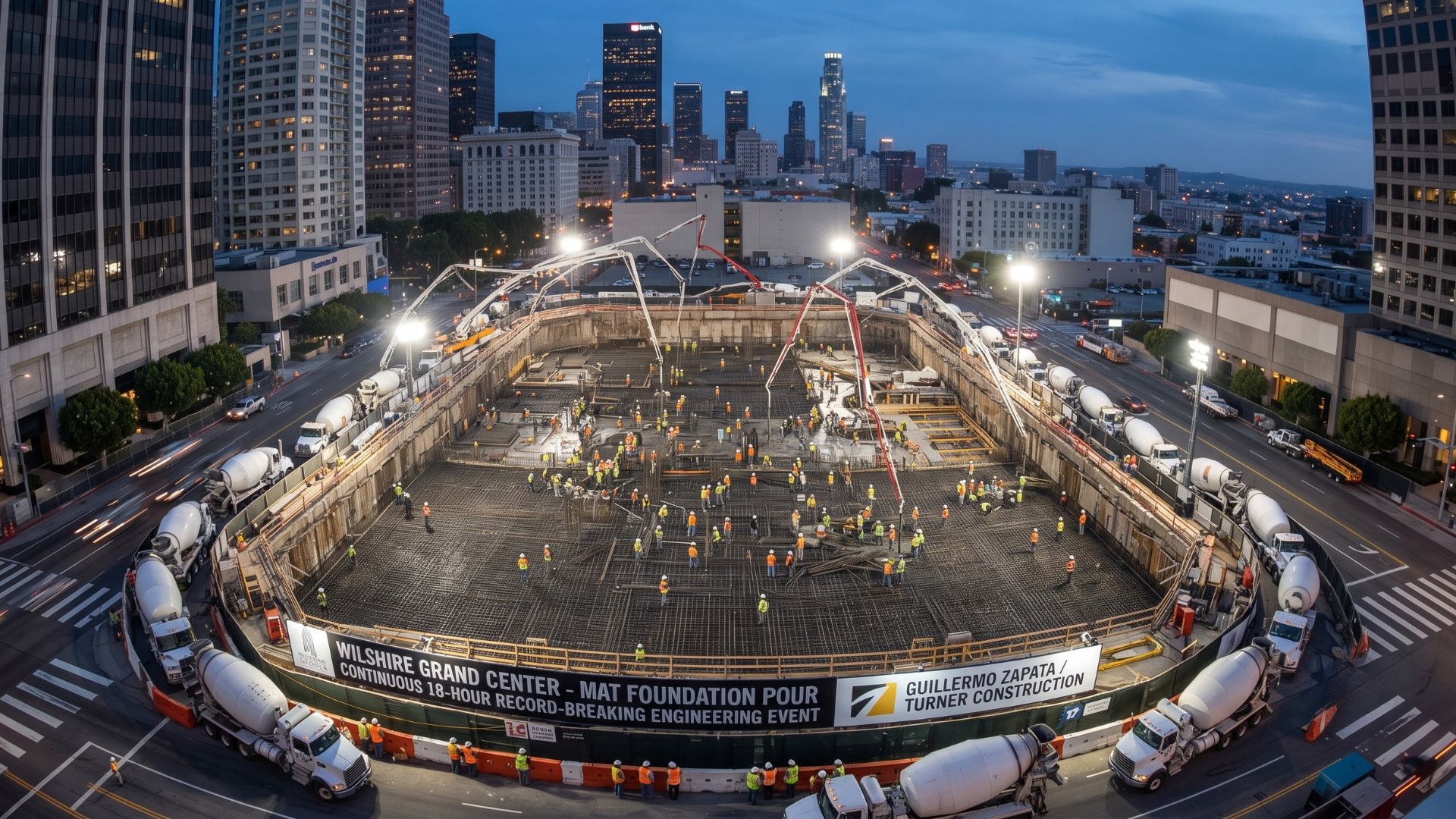
More than 2,100 trucks transported 16,200 cubic meters of concrete without interruption to create the foundation of the tallest skyscraper in the western United States and break a world record.

-
The man who started in construction with his own house founded a company in 1957, went through a banking crisis in 1987, and ended up connected to 16,500 houses in Houston.

-
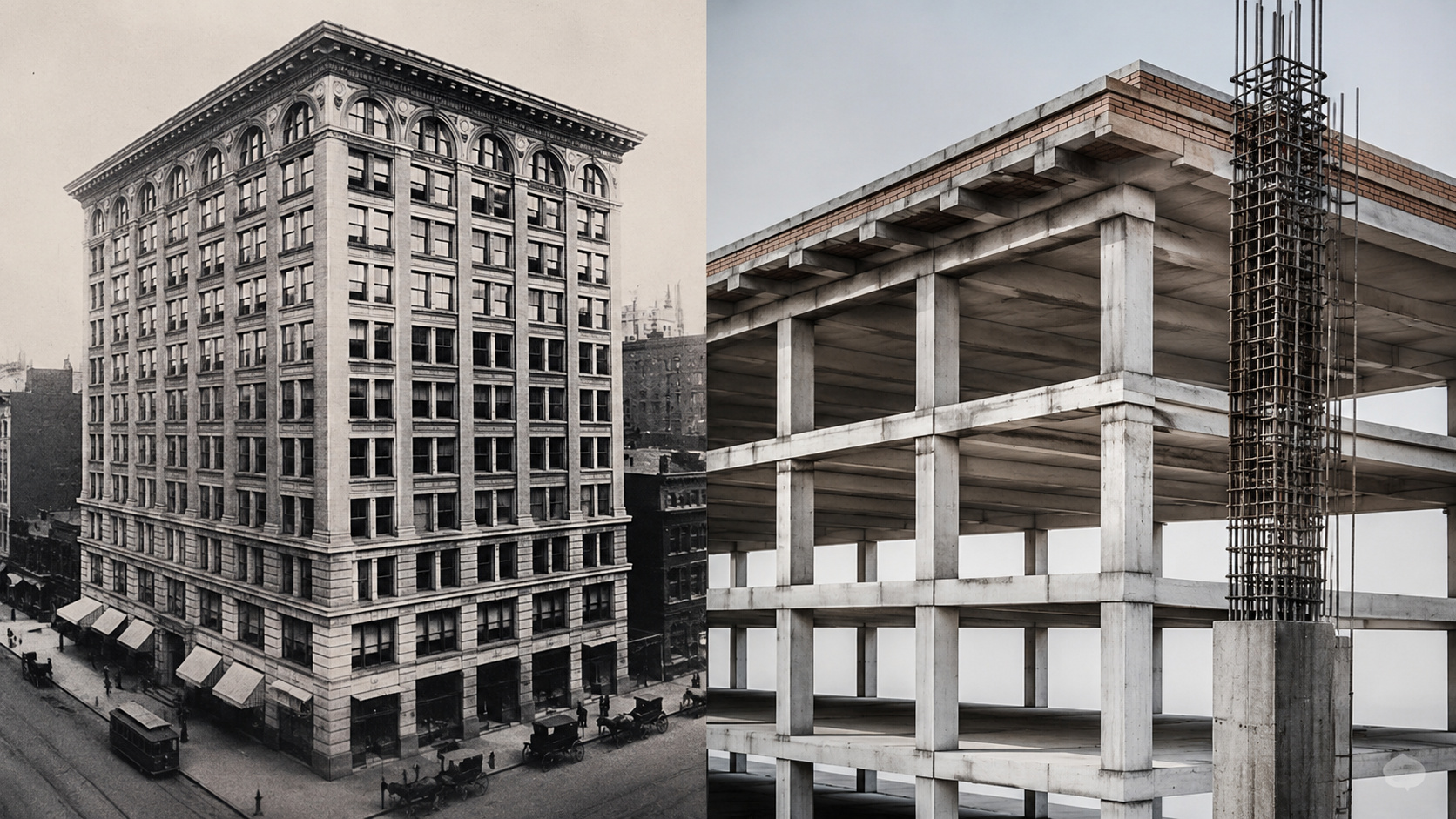
Builders challenged experts, erected a 16-story building using only reinforced concrete when the known limit was six floors, and proved that skyscrapers would never be the same again.


The centralization of government control over land and the efficiency of bureaucratic processes are significant advantages that China possesses. These features not only speed up the start of construction but also ensure that ambitious projects can be executed without significant delays.
Advanced Technology
Technology also plays a crucial role. Custom-developed equipment and advanced technology allow tasks to be performed at a breakneck pace. One example is the SLJ 932 machine, essential for bridge construction, which advances supported by the pillars, bringing an entire section of the deck with each move and reducing construction time by up to 60%.
Another innovation is the SIMP 500 machine, capable of laying 2 km of tracks per day, with precision and efficiency, using only seven workers. These technological advances are just the tip of the iceberg.
Work System and the Formation of Specialized Teams
Efficiency is not only due to technology but also to the work system and the formation of specialized teams. Engineering teams are prepared to start construction with schematic designs representing about 30% of the total project execution, adjusting and implementing the final details as construction progresses.
Continuous and specialized training is a common practice, ensuring that the workforce is always prepared to face the challenges of fast-paced construction. The work culture focused on productivity, with long hours and intense dedication, also contributes to the rapid advancement of construction projects.
The Construction of Large-Scale Infrastructure in Record Time is One of the Hallmarks
The construction of large-scale infrastructure in record time is one of the hallmarks of Chinese construction. Powerful machines and innovative construction techniques turn the impossible into reality. Standardization and modular construction allow entire buildings to be assembled in record time, such as a 57-story building in 19 days or a hospital in 10 days.
China is an example of how efficient planning, advanced technology, and a well-trained workforce can transform the construction sector. So, what do you think? Do you believe that the political system and lack of bureaucracy in China are an advantage or a threat to workers’ rights?





Que bom
Seria com dinheiro da venda da VAchina, pra “combater ” a COchina19?