Portuguese
  Spanish


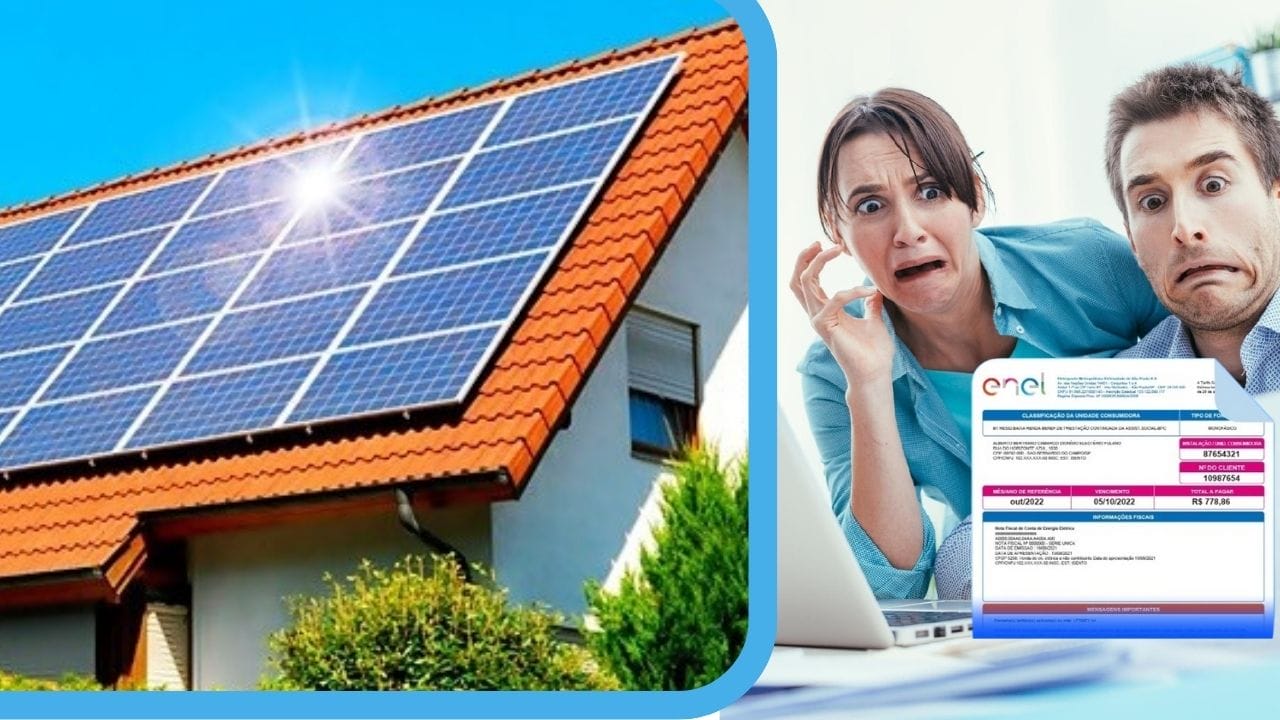

Discover How Many Solar Panels Are Needed to Stop Paying Your Electric Bill Using an Off-Grid Solar Energy System.
Off-grid solar energy has gained prominence as an effective solution for those seeking energy independence. With the ability to generate electricity for free, many wonder about the calculations needed to determine the number of solar panels sufficient to meet all the needs of a household, without relying on the electric grid and, consequently, eliminating the electricity bill.
The first step in calculating the number of solar panels involves understanding the monthly consumption of the household. It is essential to analyze the electricity bill to identify the monthly consumption over the past 12 months, focusing on the month of highest usage. This approach is vital for off-grid systems, where batteries store the generated energy. For homes disconnected from the grid, the consumption of individual appliances is estimated.
The Importance of Solar Irradiation


Another crucial data point is the solar irradiation index of the location, which varies according to geography. By using tools such as the CRESESB website or other tools, it is possible to obtain this information by entering the latitude and longitude of the installation area.
-
Brazilian scientists are simultaneously advancing two research projects on clean hydrogen and driving solutions that could transform the energy matrix, enhance industrial competitiveness, and accelerate large-scale emission reduction targets.

-
Advancement in renewable energy: A R$ 150 million project launched by Petrobras and Finep aims to create state-of-the-art electrolyzers for green hydrogen, strengthening national research and preparing Brazil to compete in a billion-dollar energy market.
-
Solar energy can increase property value by up to 10% and become a selling point.
-
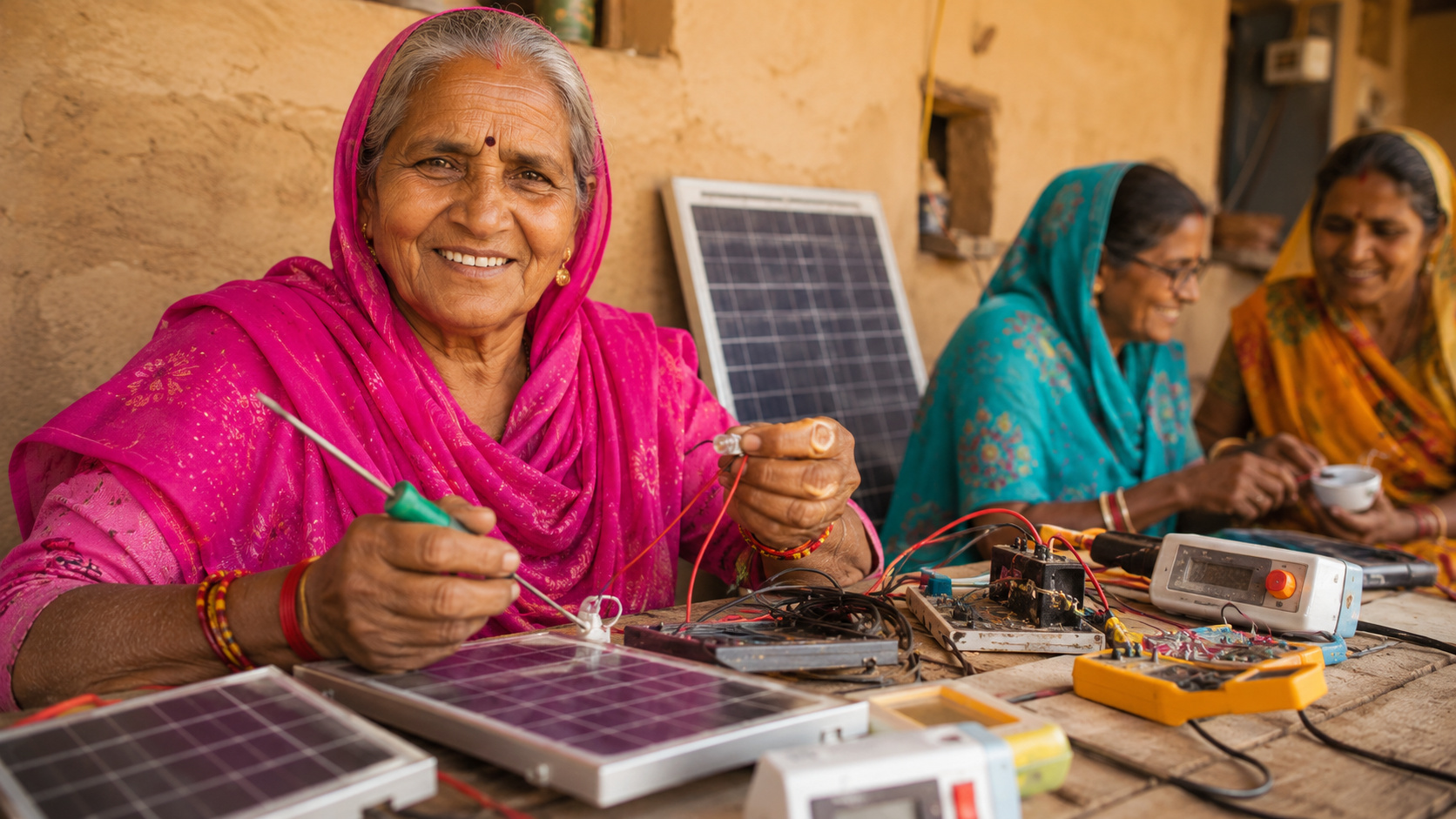
Illiterate or semi-literate grandmothers were trained to repair solar systems, open rural workshops, and light up homes that still depended on kerosene.


The Calculation Process for the Number of Solar Panels
It is important to consider losses in the inverter and battery bank. For example, a consumption of 200 kW/h monthly requires adjustments for losses, resulting in a higher number after applying efficiency factors. The monthly consumption is then converted into daily consumption by dividing the adjusted monthly total by the number of days in the month.
The Choice of Solar Panels
Finally, the total power required from the solar panels is determined by dividing the daily consumption by the hours of full sunlight and adjusting for the efficiency of the panels and cabling. With the total power calculated, the type of solar panel is chosen, ensuring that the sum of the power of all panels meets the calculated requirement.
Through these calculations, it is possible to determine the exact number of solar panels needed for a household to become energy self-sufficient. In the example cited, a consumption of 200 kW/h monthly would require approximately five solar panels of 560 Watt peak for an efficient off-grid system.
Installing an off-grid solar energy system represents a significant initial investment, but it translates into long-term savings and contributes to sustainability. Share your thoughts in the comments about this energy transition and whether you consider it feasible to install an off-grid system in your home. Let’s move towards energy independence together!