






 Portuguese
  Spanish


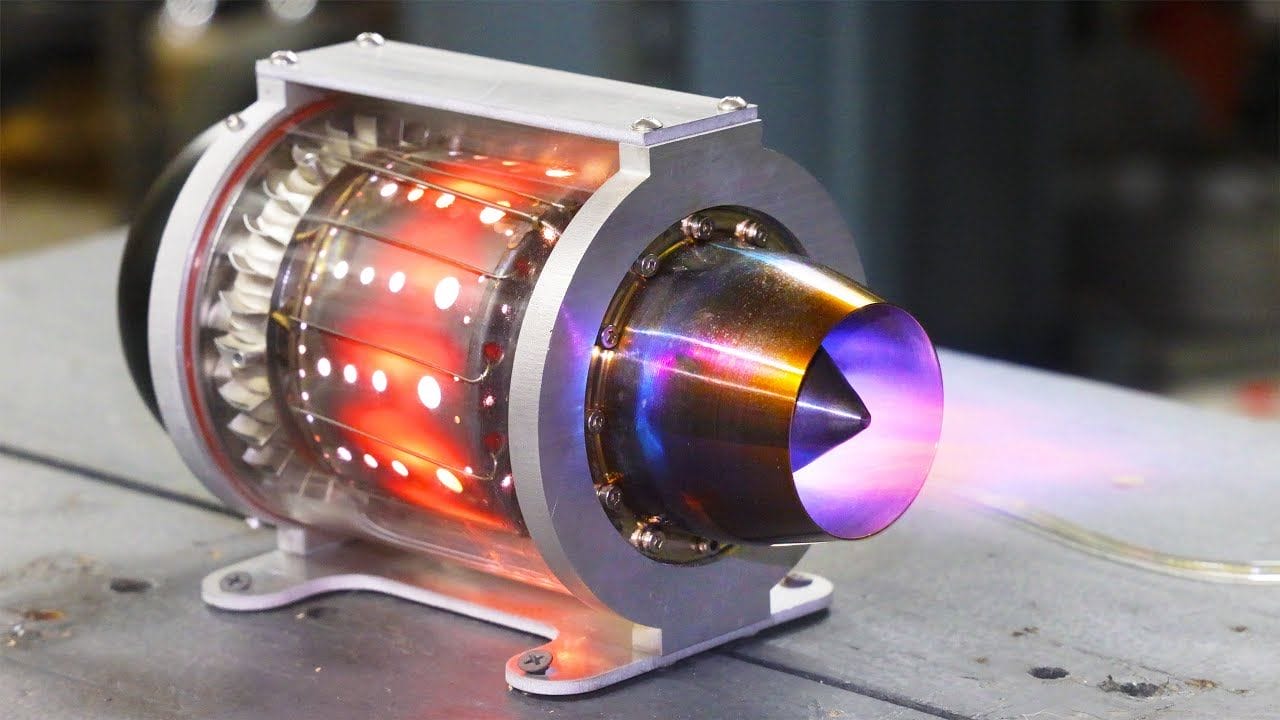


The Jet Engine, Despite Being Revolutionary and Efficient in Aircraft, Did Not Find Success in the World of Automobiles. This Episode Explores the Mechanics of the Jet Engine, Its History, and the Reasons Why This Technological Innovation Did Not Adapt Well to Land Vehicles.
The jet engine, or jet motor, gained popularity after World War II, primarily in aircraft, due to its power and efficiency. However, its application in land vehicles, such as automobiles, posed several challenges. Initially, the concept of the jet engine dates back to the first century AD, with the invention of the aeolipile by Hero of Alexandria. In the 20th century, Norwegian engineer Ægidius Elling built the first functional turbine, and subsequently, Frank Whittle and Hans von Ohain independently developed the mechanics of the jet engine as we know it today.
Despite the potential, the application of the jet engine in cars faced several obstacles. A Rover, for example, experimented with the “Jet One” in 1950, but encountered issues such as high fuel consumption and low torque at low revs.
In the U.S., Chrysler tested the “Turbine,” but also faced similar challenges, such as slow acceleration and noisy operation. These characteristics made jet engines impractical for everyday use in land vehicles.
-
2027 Toyota Corolla Cross Unveiled: New Design, Enhanced Fuel Efficiency, Reduced Maintenance Costs, Advanced Technology, Connected Services, and Up to 10-Year Warranty

-
Fiat Cronos Precision 2018: Affordable Sedan with Spacious Trunk and Reliable Maintenance
-
Volkswagen to Cut Production by 1 Million Cars by 2030, Reducing Jobs and Platforms, Focusing on More Profitable Models

-
Toyota Launches First 100% Electric Car in Brazil: bZ4X with 343 HP, All-Wheel Drive, 361 km Range, Priced at $419,990 BRL, Limited to 99 Units




The Main Problems Faced by the Jet Engine in Vehicles Include


Jet engines are known for their high fuel consumption, making them economically unviable for most consumers. These engines do not provide the necessary power at low speeds, which is crucial for urban driving and heavy traffic.
The construction of a jet engine requires sophisticated materials and technologies, significantly increasing production costs. The noise level generated by a jet engine is significantly higher than that of conventional engines, which would be a nuisance in an urban environment.
While the jet engine proved to be a revolution for aviation, completely transforming the industry, its use in automobiles is limited to experiments and prototypes. The characteristics that make jet engines ideal for aircraft—such as high operating speed and efficiency at high altitudes—are counterproductive in an automotive scenario. Thus, despite innovative attempts, the jet engine has not proven practical or viable for use in automobiles, remaining an interesting but limited chapter in the history of land transport.
Success of the Internal Combustion Engine in Automobiles in Contrast to the Jet Engine
The internal combustion engine, unlike the jet engine, has adapted perfectly to the context of automobiles for several fundamental reasons. Firstly, internal combustion engines, such as gasoline or diesel engines, are more fuel-efficient compared to jet engines, especially in varied driving conditions and at low speeds typical of urban traffic.
They offer better torque at low revs, essential for acceleration and maneuvers in urban and road environments. Another significant advantage of the internal combustion engine is its economic viability.
Production costs are relatively lower, making them accessible for a wide range of consumers. Moreover, these engines are compact and flexible enough to be adapted in different sizes and types of vehicles, from small passenger cars to large trucks.








