Portuguese
  Spanish


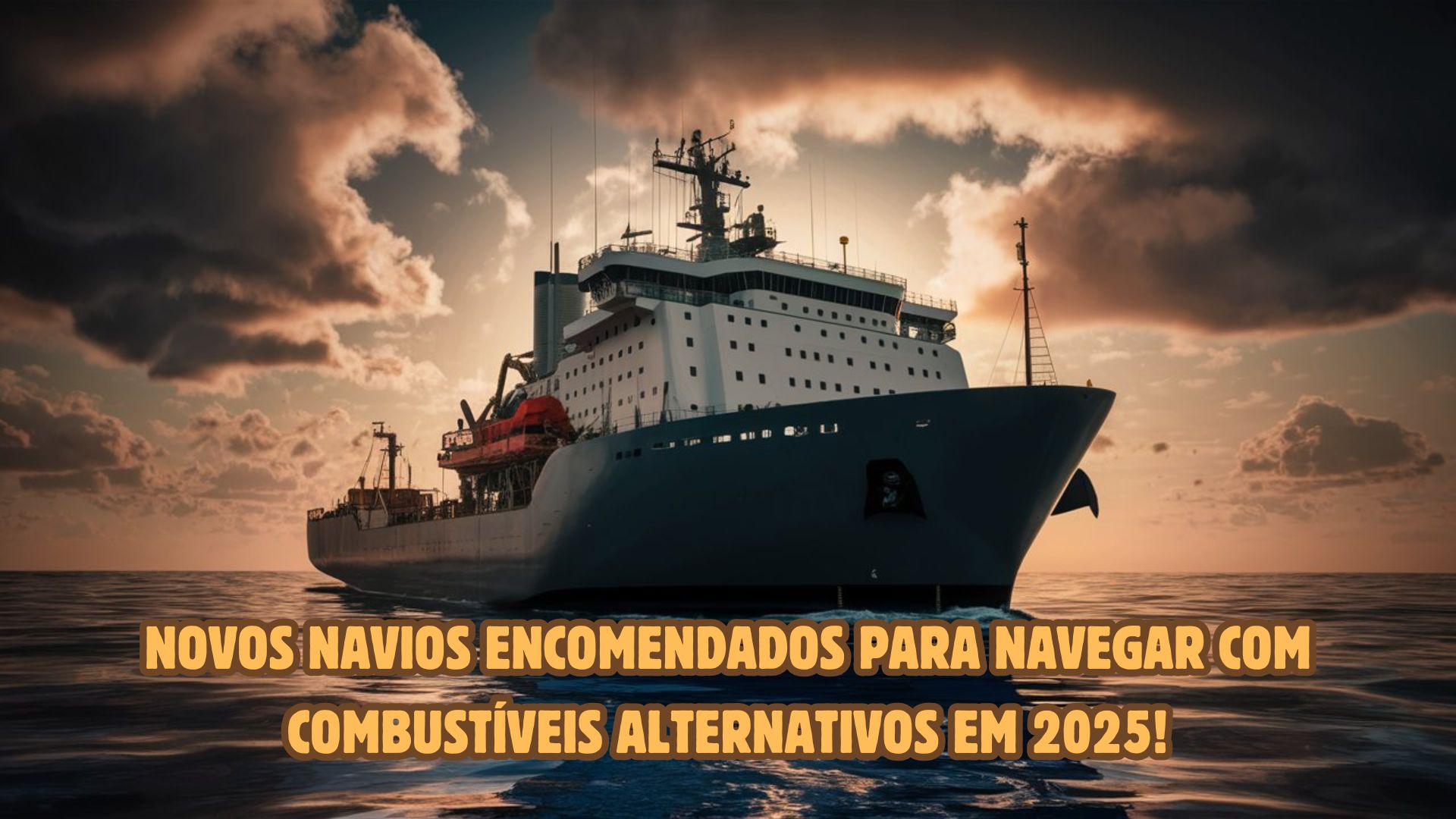

Alternative Fuels Are Transforming The Shipping Industry, Reducing Emissions And Driving A More Sustainable Future For The Seas And The Planet. Check It Out:
A Green Revolution In The Oceans Begins Now
The shipping industry is undoubtedly experiencing a historic transformation that began as early as 2024. More than 50% of the ships ordered last year will be powered by alternative fuels. This demonstrates how this shift is redefining maritime transport and responding to the demands for more sustainable practices.
Why Is This Happening Now?
The IMO environmental regulations, along with sustainability pressure, are driving the adoption of alternative fuels. Furthermore, technologies such as Liquefied Natural Gas (LNG), methanol, and ammonia are becoming more accessible. At the same time, consumers demand cleaner supply chains, and companies are quickly responding to these demands to meet these new global expectations.

Numbers That Show The Transformation
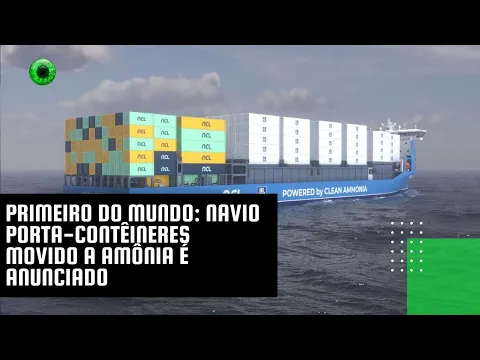
In 2024, more than 600 ships were ordered to operate with alternative fuels, consolidating the trend. In addition, methanol leads, with 47 orders recorded in the first months. In total, over 1,700 sustainable vessels are already in operation or under construction, highlighting the sector’s progress towards sustainability by the year 2025.
-
The U.S. Navy Conducts Submarine Tests in Idaho Lake to Detect Underwater Noises Hidden by the Ocean

-
Nuclear Submarine USS Alexandria Retired After 35 Years, Having Completed Over 1 Million Miles in Missions

-
MODEC Introduces New Hull Design for FPSO Gato do Mato to Produce Up to 120,000 Barrels of Oil Per Day in Brazil’s Pre-Salt Region
-
This Massive 12-Meter, 21-Ton Underwater Drone Can Operate Autonomously for Up to Five Days


Companies Leading The Change
Maersk, for example, has invested in 20 dual-fuel container ships that will enter operation by 2030. Meanwhile, MSC is also making strides with 10 LNG-powered ships that are adaptable for methanol and ammonia. These initiatives reinforce these giants’ commitment to sustainability and innovation in the sector.
What Makes Alternative Fuels A Smart Choice?
Alternative fuels are a strategic option for various reasons. LNG reduces CO² emissions by up to 20% compared to traditional fuels. Additionally, methanol can decrease emissions by 95% when produced sustainably. Ammonia, in turn, presents zero CO² emissions and stands out as a promising solution for the future.
What Are The Benefits?
The adoption of alternative fuels provides significant benefits. It allows for a drastic reduction in emissions, helps comply with environmental regulations, and strengthens reputation among consumers. Moreover, in the long run, this transition offers significant savings in the operational costs of vessels.
But What About The Challenges?
Despite the potential, alternative fuels face barriers that need to be overcome. High initial costs, limited infrastructure in ports, and safety challenges are some of the main obstacles. However, with more research, tax incentives, and technological advancements, these difficulties can undoubtedly be resolved in the near future.
What Can Accelerate This Transition?
There are several measures that can boost the transition to alternative fuels. Tax incentives are essential for reducing initial costs and encouraging investment. Public-private partnerships are also crucial for developing the necessary infrastructure. Additionally, technological innovations can make these fuels more accessible and efficient.
Impact On Consumers And Logistics Chains
Cleaner logistics can bring positive impacts for both consumers and supply chains. This transition can reduce operational costs, strengthen sustainable chains, and increase consumer trust in brands. Furthermore, it significantly contributes to combating climate change and promoting a more responsible future.
85% Of Ships Will Be Dual-Fuel By 2030
MAN Energy Solutions predicts that, in less than a decade, 85% of ships will use alternative fuels. This estimate not only reinforces the industry’s commitment but also highlights the essential role of technology in enabling sustainable solutions for global maritime transport.
A Green And Promising Future
In summary, 2024 marked a turning point in the shipping industry. The adoption of alternative fuels is not just an inevitable trend but also an urgent necessity to reduce emissions. Ultimately, this transformation will provide a cleaner and more sustainable future for the seas, benefiting the planet and future generations, with results that can already be seen in the newly started year (2025).