Portuguese
  Spanish


Understand How Oil and Gas Regulation Works, Its Historical Evolution and the Main Legal and Environmental Aspects to Operate Safely and Strategically in This Essential Sector.
The regulation of oil and gas is an essential topic for understanding one of the most strategic industries in the world.
Indeed, this sector drives entire economies, influences political decisions, and directly impacts the environment.
Therefore, understanding the regulatory framework that involves oil and natural gas becomes a fundamental step for those who wish to work in the area.
-
OPEC+ Boosts Oil Supply by 188,000 Barrels per Day in July 2026, Leading to Price Drop from $112 to $89 per Barrel in Under Two Months

-
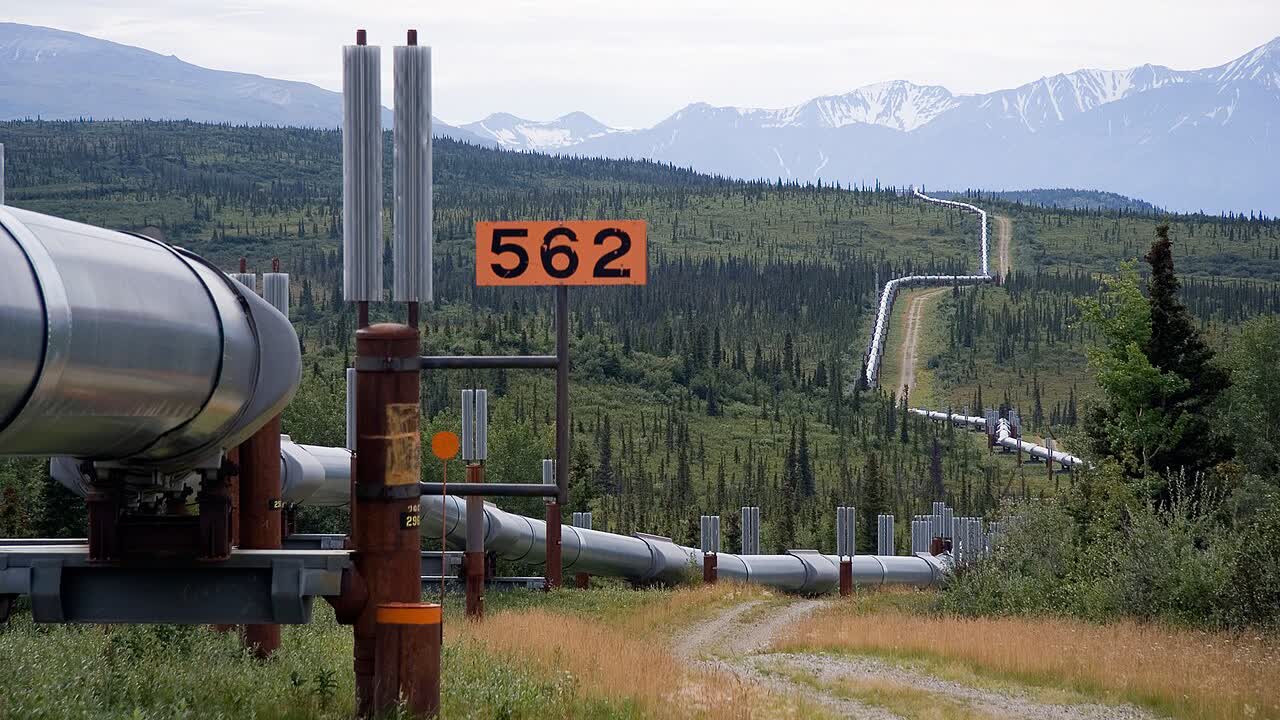
TotalEnergies Signs 20-Year Deal to Purchase 2 Million Tons of LNG from Alaska, Boosting Project Viability
-
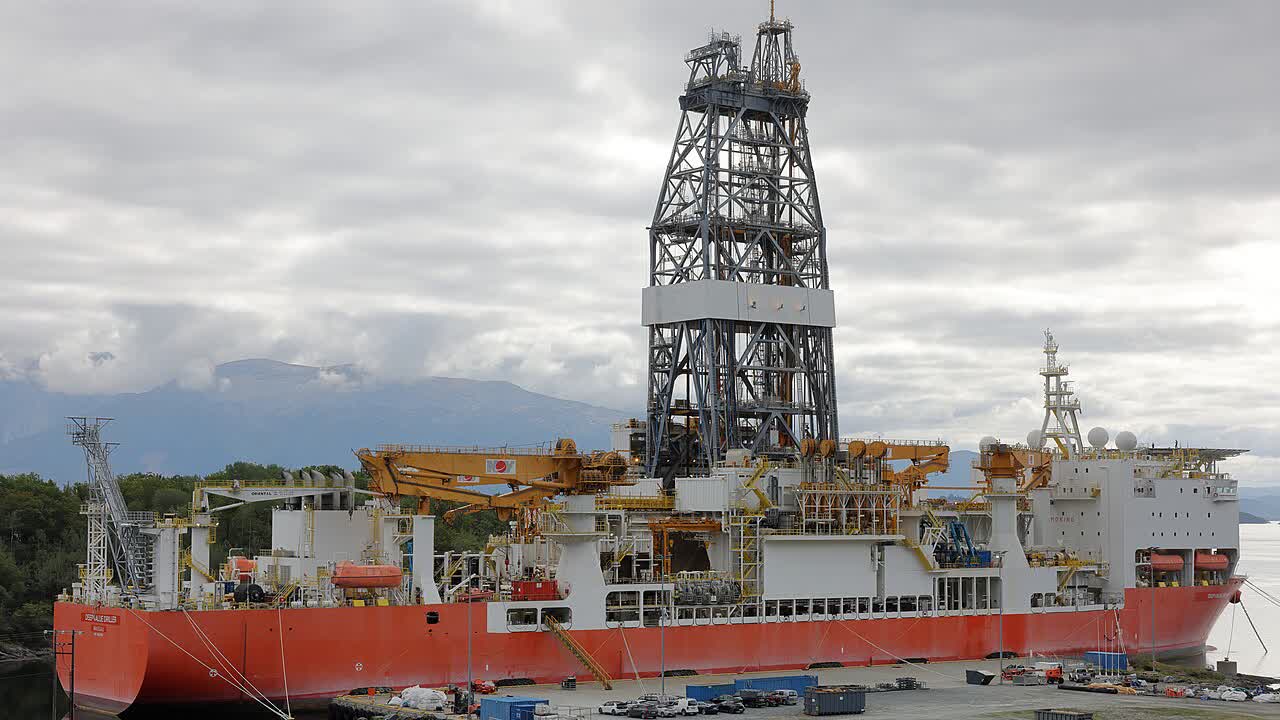
Turkey Deploys Çağrı Bey Drilling Ship to Explore New Oil Frontier Off Somalia’s Coast
-
Golden Pass LNG Ships First Liquefied Gas Cargo from the U.S., Completing $10 Billion QatarEnergy and ExxonMobil Investment

This detailed guide provides a clear and accessible overview of the history, fundamentals, and key aspects of regulation in the oil and gas sector.
The commercial exploration of oil began in the 19th century, specifically in 1859, with the discovery of the first successful well in the United States.
According to the historical report by the International Energy Agency (IEA), this milestone represented the beginning of the modern oil industry, which rapidly expanded and generated significant economic interest.
However, at that time, the lack of regulation caused serious problems, such as resource wastage, ownership disputes, and irreversible environmental impacts.
As documented by the U.S. Department of Energy (DOE), the need for a clear legal framework became evident to ensure orderly and sustainable exploration.
In light of this, countries around the world began to develop specific legislation and establish regulatory agencies.
The Organization of the Petroleum Exporting Countries (OPEC), founded in 1960, is an important example of this international coordination movement to balance oil production and prices in the global market.
Throughout the 20th century, the focus of regulation evolved. Initially centered on ownership and economic exploration, it began to incorporate environmental and social aspects.
The National Agency of Petroleum, Natural Gas and Biofuels (ANP) of Brazil, created in 1997, exemplifies this evolution:
By instituting a modern regulatory model that includes environmental issues, operational safety, and corporate governance.
The Role of the State and Regulatory Agencies in the Oil and Gas Sector
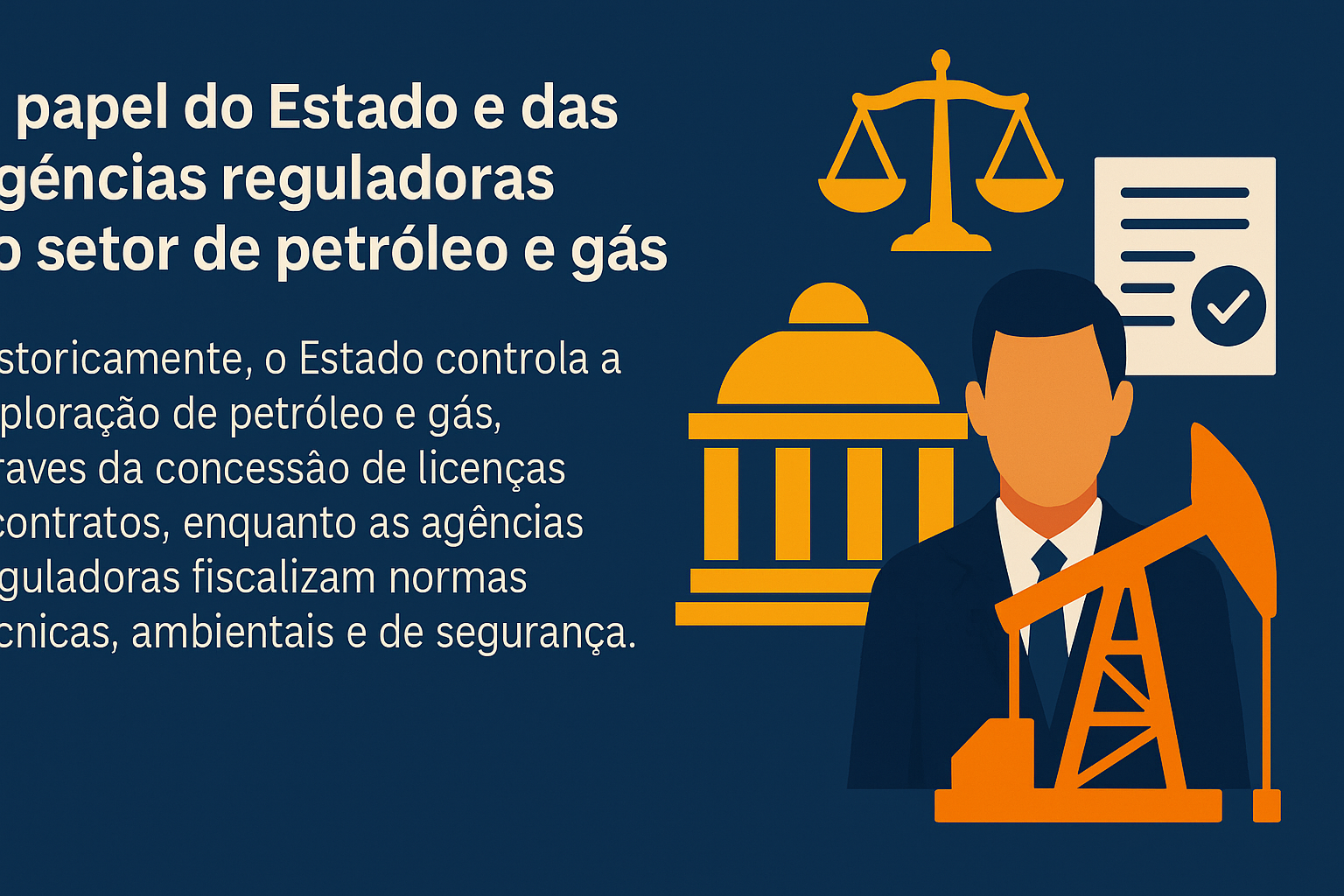
Historically, the State has a central role in the regulation of oil and gas.
Starting in the 20th century, many countries defined that natural resources belong to the nation, regardless of the ownership of the land where they are located.
As explained by the ANP, this principle justifies the need for the government to control exploration by granting licenses and contracts to companies wishing to operate in the sector.
Concession, production-sharing, and service contracts define different responsibilities and risk-sharing between the State and the companies.
According to the Ministry of Mines and Energy of Brazil, the choice of contractual model reflects strategic objectives, such as attracting investments, ensuring national sovereignty, and promoting local economic development.
Additionally, regulatory agencies, such as the ANP itself and the National Commission of Nuclear Energy (CNEN), play a role in oversight, ensuring compliance with technical, environmental, and safety standards.
These institutions act as intermediaries between the State, businesses, and civil society.
The independence and transparency of these agencies are vital to ensure a balanced and reliable sector.
As highlighted in the IEA annual report for 2023, countries with strong regulatory agencies exhibit greater stability in the sector and greater attraction of international investments.
The regulatory landscape also heavily depends on the prevailing energy policy.
For example, the OPEC has regulated the global oil supply since its inception to control prices and ensure market stability, as noted in its historical report for 2020.
Sustainability and Environmental Protection in Oil and Gas Regulation
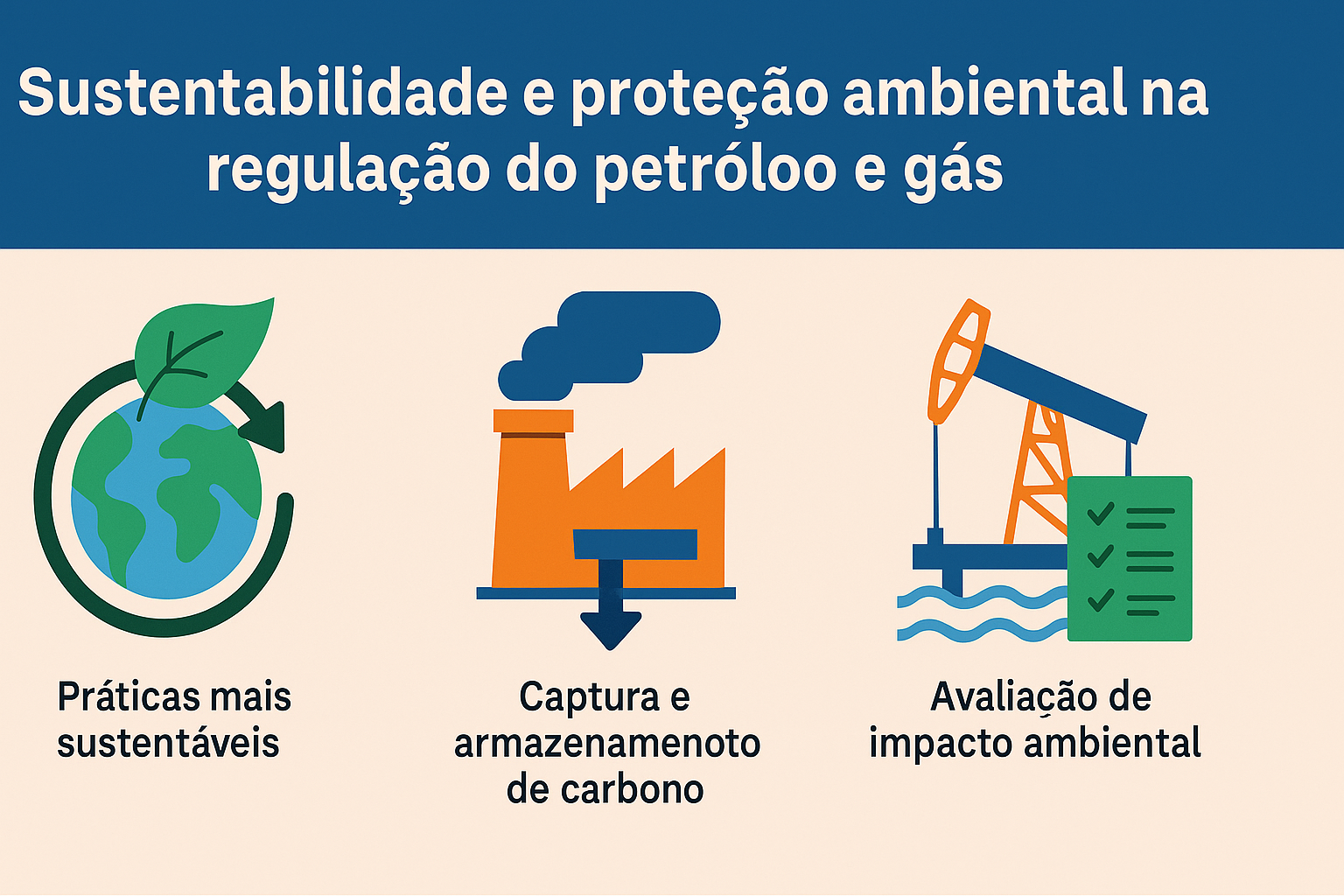
In recent years, the environmental aspect has gained enormous relevance in the regulation of the sector.
The Intergovernmental Panel on Climate Change (IPCC), in its 2022 report, emphasizes that the oil and gas sector is one of the largest contributors to global greenhouse gas emissions, accounting for about 75% of the total CO₂ emitted from burning fossil fuels.
As a result, several countries have updated their regulations to require more sustainable practices.
According to the Ministry of the Environment of Brazil, the new rules include technologies for carbon capture and storage, in addition to rigorous processes for safely decommissioning old facilities.
Environmental protection also requires detailed impact studies for large projects, especially in sensitive areas, such as the Campos Basin, an important Brazilian production region.
The ANP requires companies to present mitigation plans and rapid responses for spills or accidents, as stipulated in the agency’s environmental regulations for 2023.
Furthermore, the involvement of independent bodies and civil society has increased, ensuring greater transparency and social control over the sector’s activities.
Internationally, agreements such as the Paris Agreement, signed in 2015, directly influence national policies, reinforcing commitments to reduce emissions and promote renewable sources.
The IEA highlights that this global pressure transforms regulation into a dynamic field that must keep pace with climate change and emerging technologies.
Master the Regulation to Act Responsibly in the Energy Sector
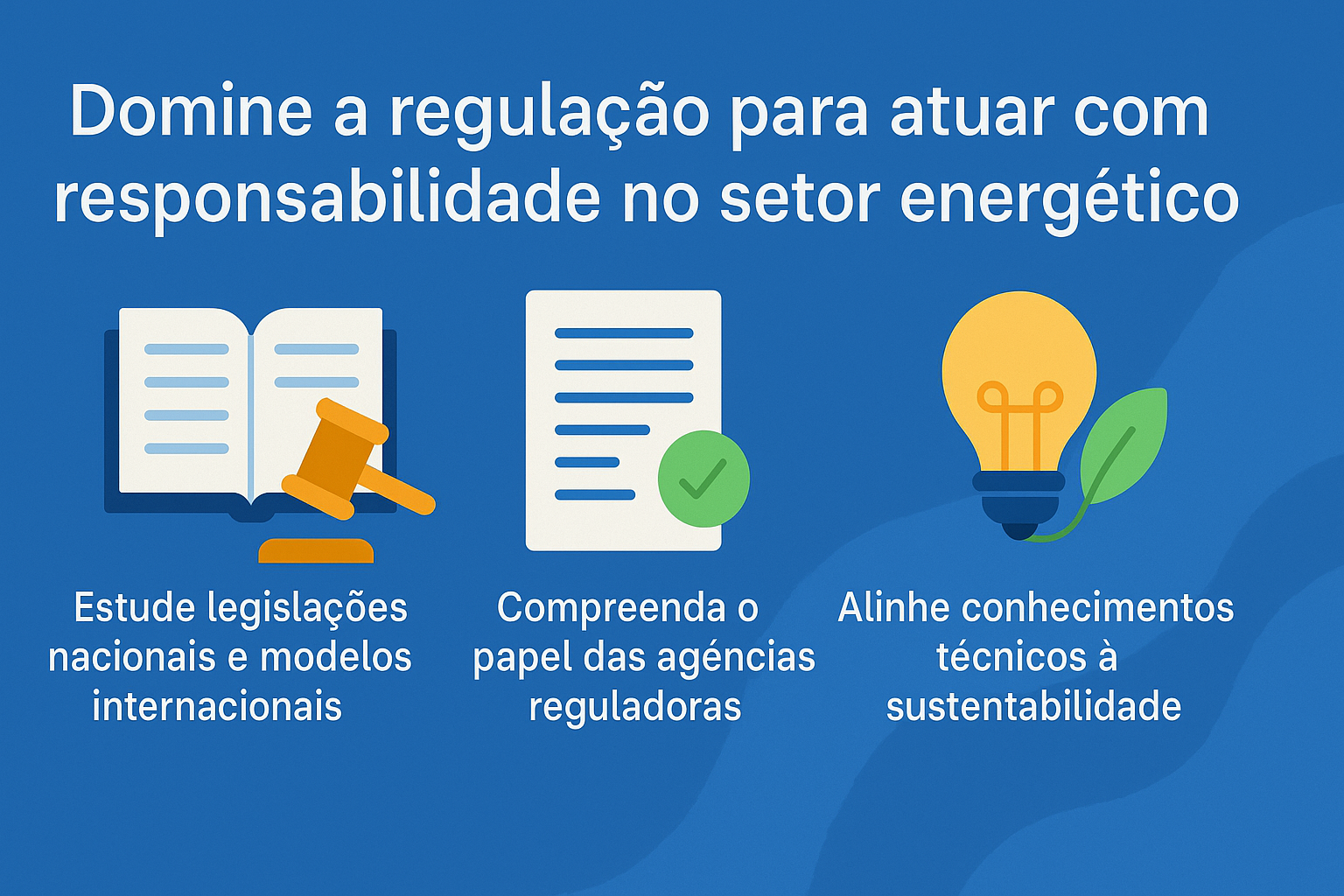
Understanding the regulation of oil and gas as an ever-evolving process is essential for those wishing to operate in this sector.
Legislation and contractual models change according to economic, environmental, and political needs.
To delve deeper, it is recommended to study national legislation in detail, such as Law No. 9.478/1997, which:
Establishes Brazilian energy policy, as well as international models promoted by entities such as OPEC and IEA.
It is also essential to understand the role of regulatory agencies, their licensing processes, oversight, and environmental control.
According to the ANP, professionals prepared to handle these technical and legal demands will find it easier to operate responsibly and ethically.
Moreover, aligning technical knowledge with concerns for sustainability and transparency contributes to the development of a more balanced energy sector.
Thus, mastering regulation means being prepared to make decisions that impact the economy, the environment, and society as a whole.
The regulation of oil and gas involves much more than technical rules: they are strategic decisions that affect the future of energy and the planet.
In this way, by understanding its complexity, you will be able to contribute to innovative, sustainable, and fair solutions that are essential for a vital and constantly transforming sector.