Portuguese
  Spanish



The ICMS Charge Ceiling Is an Emergency and Temporary Measure to Contain Constant Fuel Increases
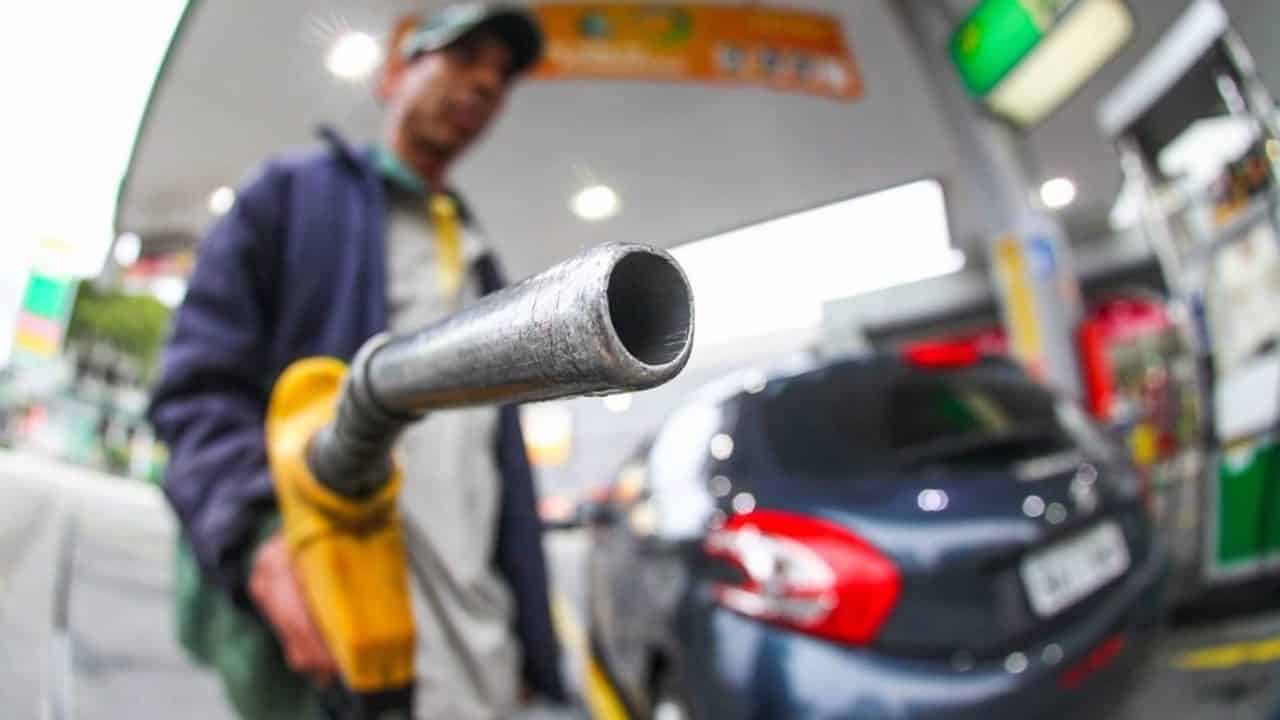
The price of gasoline at refineries increased from R$ 3.86 to R$ 4.06 per liter, recording a rise of 5.18%. Meanwhile, the price of diesel rose from R$ 4.91 to R$ 5.61 per liter, which equates to an adjustment of 14.26%. These figures were announced by Petrobras last Friday (17).
The rise in fuel prices is expected to further drive inflation, which is already at 11.73% over the past 12 months. As Brazil’s commerce logistics are heavily tied to road transportation and nearly everything consumed comes from truck freight, the increase in fuel prices will trigger a chain reaction in the prices of products.
“Brazil is a country highly dependent on road transport to supply consumption chains; any fuel price adjustment directly impacts freight costs, affecting product prices,” says Richard Clayton, businessman and president of Trinta Porcento.
-
Brazil’s BNDES Funded Metro and Steel Plant Projects in Venezuela with Brazilian Support

-
Abandoned Building in Brazil to Become Biotechnology Unit with $10 Million Investment, Bridging Science, Industry, and Public Health
-
Company Offering “Stones to Diamonds” Scheme Sells Ruined Italian Homes to Brazilians for 1 Euro, Disappears with Promised Renovations, Leaving Buyers in Debt to Italian Tax Authorities Until 2028 Without Property

-
Plastic Packaging Drives Santa Catarina Industry to 230% Growth, Aiming for R$ 500 Million by 2030 Amid Sector Crisis, with New Gearless Line Expanding in Southern Brazil to Compete in South America



For Richard, the constant increase in product prices reduces the income of Brazilians. “It makes it difficult to consume more products and affects the merchants selling those products as well,” he comments.
Pressure on Petrobras
In recent years, the state-owned company has faced harsh criticism from the President of the Republic, Jair Bolsonaro (PL). The president recently stated that the company’s profit “is something that no one can understand” and suggested the establishment of a Parliamentary Inquiry Commission (CPI) to investigate directors and board members.
Arthur Lira (PP-AL), president of the Chamber of Deputies, has demanded the immediate dismissal of the former company president, José Mauro Ferreira Coelho.
The deputy’s request was fulfilled: the state-owned company announced the dismissal of then-president José Mauro on the 20th. “The appointment of an interim president will now be examined by Petrobras’s Board of Directors,” the company said in a statement. The former president is the third in charge of the company during the “Bolsonaro Era.”
Price Increases
According to the Brazilian Institute of Economics of the Getulio Vargas Foundation (FGV Ibre), the rise in fuel prices will have an impact of 0.14 percentage points on the Consumer Price Index (IPCA), to be diluted in June and July.
The IPCA is an index that serves to measure price variations of a basket of goods and services consumed by the country’s population, indicating month-to-month changes.
“In this month’s IPCA, only half of this increase should be priced in. This year’s inflation, in my estimation, will be 9.2%, already considering the effects of this fuel price adjustment”, noted André Braz, coordinator of the institution’s price indices.
To Consumers
According to analyses by Petrobras, the consumer price of gasoline could rise, on average, from R$ 2.81 to R$ 2.96 for each liter sold at the pump — a variation of R$ 0.15 per liter. In the case of diesel, the state-owned company’s share could increase from R$ 4.42 to R$ 5.05 for each liter sold at fuel stations, with an increase of at least R$ 0.63 per liter.
Although the increase is imminent, the determination of a “charge ceiling” of 17% on the ICMS for fuels, already approved by the Chamber of Deputies, could alleviate prices by up to 9%, according to specialists.
“The ICMS charge ceiling is an emergency and temporary measure to contain constant fuel increases. The government is seeking a way to ensure price stability for fuel, and for that, it is determining the ICMS ceiling. However, this ceiling is not enough to cover state revenues,” analyzes Richard.
For the businessman, the consecutive increases are increasingly alarming consumers. Banks and institutions consulted in a Projeções Broadcast survey estimate that the Central Bank will raise the Selic Rate (the country’s main interest rate) to 13.75% per year at the end of the monetary tightening cycle. A week ago, the estimate was 13.25%.
“Depending on the method used, the government runs the risk of significantly increasing its debts, bringing economic risks to Brazil, which, for investors, sounds bad and diminishes interest in investing in the country,” concludes Richard.
Source: Trinta Porcento