






 Portuguese
  Spanish


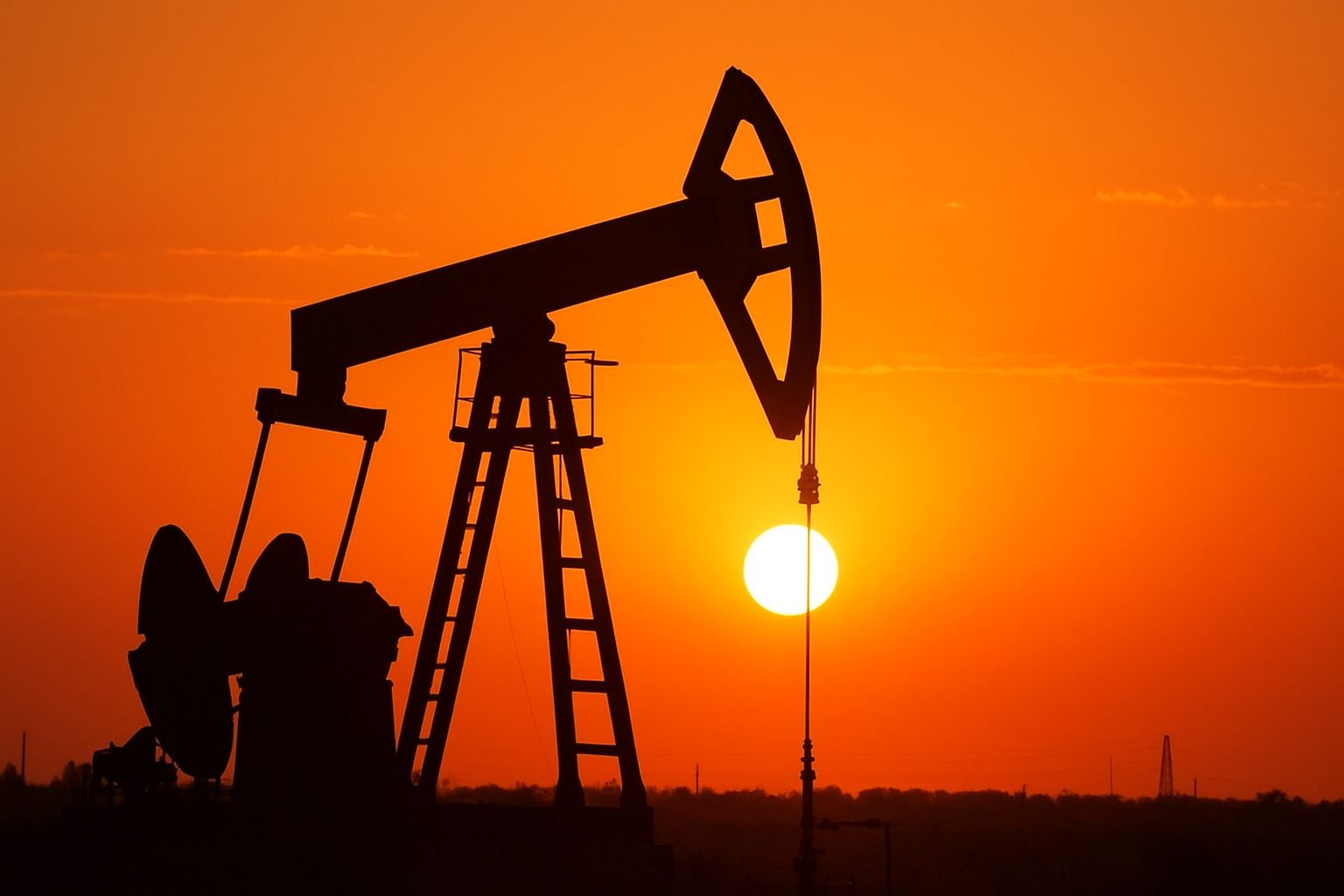


The influence of oil on the Brazilian economy gained even more prominence in the third quarter, when the country avoided a contraction thanks to the performance of the commodities sector. Although various segments faced a slowdown, oil continued to drive entire production chains and sustained national activity with an intensity that reinforces its historical role. According to InfoMoney, the rise in prices, coupled with the growth of exports and the expansion of production, directly contributed to preventing the GDP from registering a decline.
The behavior of the oil market did not emerge in isolation. In fact, it reflects a process that spans decades. The global dependence on this resource has shaped national strategies, forced industrial adaptations, and influenced public policies. In the Brazilian case, this movement intensified after the pre-salt discoveries, which changed the country’s position in the global landscape. Thus, even when other sectors retreat, oil tends to show resilience. Therefore, it consistently appears as a factor of macroeconomic balance.
The Role of Oil in Economic Sustenance
In addition to oil, other sectors such as minerals and agriculture also contributed to the positive outcome. However, oil stood out because it combined volume, price, and external demand. This combination strengthens internal revenues and generates direct impacts on investments, royalties, and tax collection. According to the federal government, the oil sector remains one of the largest contributors to generating surpluses in the trade balance.
-
Petrobras to Double Natural Gas Supply in Northeastern Brazil with New Investment

-
Petrobras Approves $1.2 Billion Refinery in Brazil to Produce Aviation Fuel and Diesel from Plants
-
Petrobras Secures $2.2 Billion Contract to Build and Operate Four Support Vessels for Brazil’s Offshore Oil Fields
-
Oil production grows in Rio, but reserve replacement raises a warning sign


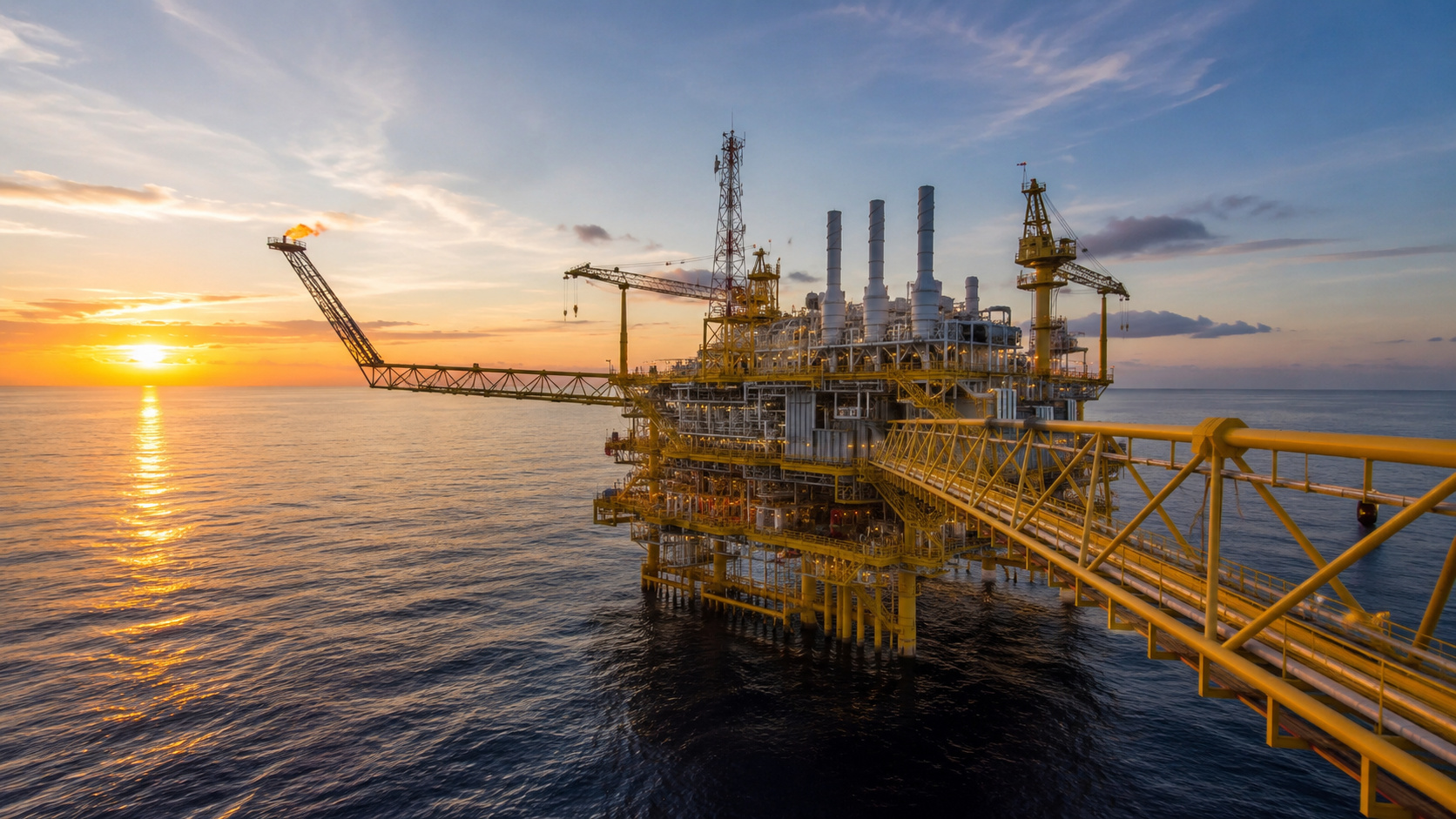
Even as the country advances in energy diversification, oil remains a strategic asset. It funds social programs, stimulates infrastructure projects, and drives technological chains linked to energy, transportation, and heavy industry. Therefore, the economic sustenance recorded in the quarter confirms a historical trend.
The Historical Strength of Commodities
To understand the current impact, it is important to observe the trajectory of oil in Brazil. Since Petrobras began broader research in the 20th century, the country has gone through cycles of dependence, growth, and modernization. Starting in 2007, when the pre-salt was announced, there was a profound shift. The reserves expanded future projections and attracted international investments. Consequently, Brazil assumed a prominent position in the global market. Moreover, as international prices influence exports, any fluctuation creates an immediate effect on GDP.
According to the Brazilian Institute of Geography and Statistics, the mineral extraction sector has a direct impact on the formation of the gross domestic product. When oil prices rise, there is growth in activities associated with logistics, refining, and transportation. Thus, the economy responds broadly.
Oil as a Crisis Buffer
Over the past decades, several episodes have demonstrated this buffering function. During periods of global instability, such as financial crises or geopolitical tensions, the demand for oil may fluctuate, but Brazil has maintained a high production capacity. This means that, even in adverse scenarios, the country can preserve significant levels of exports.
Additionally, oil influences producing regions such as Rio de Janeiro and Espírito Santo, which directly depend on royalties. When production increases, municipalities and state governments can expand investments. Therefore, oil creates a cycle of local and national stability.
The Link Between Global Market and Internal Growth
The GDP for the third quarter also reflects an international context marked by uncertainties. Tensions in the Middle East, OPEC production adjustments, and global demand revisions have shaped price behavior. However, despite volatility, oil remained valued enough to sustain Brazilian exports. According to the International Energy Agency, the world will still depend significantly on this resource in the coming decades, even with renewable advancements.
This scenario favors countries with significant production capacity, such as Brazil. Thus, oil exports continue to grow and positively influence GDP. Additionally, the appreciation contributes to the Ibovespa. Again, according to InfoMoney, the index has already registered an appreciation of 36% in 2025 and continues to be driven by companies linked to oil.
The Expansion of National Production
While global demand fluctuates, Brazil is constantly advancing in the exploration of new fields. The platforms installed in the pre-salt have increased daily volumes and solidified the country among the largest producers in the world. According to the National Oil Agency, production surpassed historical marks throughout 2024 and 2025. Consequently, there were direct impacts on exports, tax revenue, and private investments.
This progress is also explained by the high productivity of Brazilian wells. As they produce larger volumes in less time, even small expansions generate significant effects. Therefore, the upward trajectory reinforces the role of oil as an economic engine.
Oil and the Future of the Brazilian Economy
Although the energy transition progresses, oil will remain essential for national economic balance for many years. It funds technologies, supports municipalities, and sustains productive chains. Thus, even with incentives for clean energy, Brazil will still rely on this resource to maintain its growth.
According to the National Oil Agency’s website, the sector continues to be monitored by policies of safety, productivity, and sustainability. This ensures that its operations align with environmental goals and international commitments. Therefore, even as the world seeks to reduce emissions, oil will continue to be necessary during the transition.
Oil as a Symbol of Structural Stability
The third quarter showed that, while several sectors suffer from fluctuations, oil responds firmly. When all activities are summed up, this resource acts as a central axis, balancing declines and boosting gains. Additionally, the rise in commodities improves economic expectations and reinforces investor confidence.
For this reason, oil remains one of the key elements in building the Brazilian economy. It connects the past, present, and future. And, even in the face of global changes, it will continue to play a strategic role that shapes decisions, supports sectors, and sustains indicators that influence the entire society.


