






 Portuguese
  Spanish
  2 min of reading
  0 comments


From North To South Of The Country, Foreign Packaging, Especially From Asia, Has Been Found On Brazilian Beaches, Affecting Ecosystems, Tourism, And Protected Areas Such As Fernando De Noronha And Ilha Do Mel
A report from BBC Brazil, from the beginning of the year, showed that packaging from other countries has become a constant presence on Brazil’s beaches, drawing attention from environmentalists and local residents.
A recent BBC video, recorded in Rio Grande do Norte, showed a beach covered in trash brought from Asia, which generated significant repercussions.
After the news broke, readers from various states reported similar situations in their regions.
-
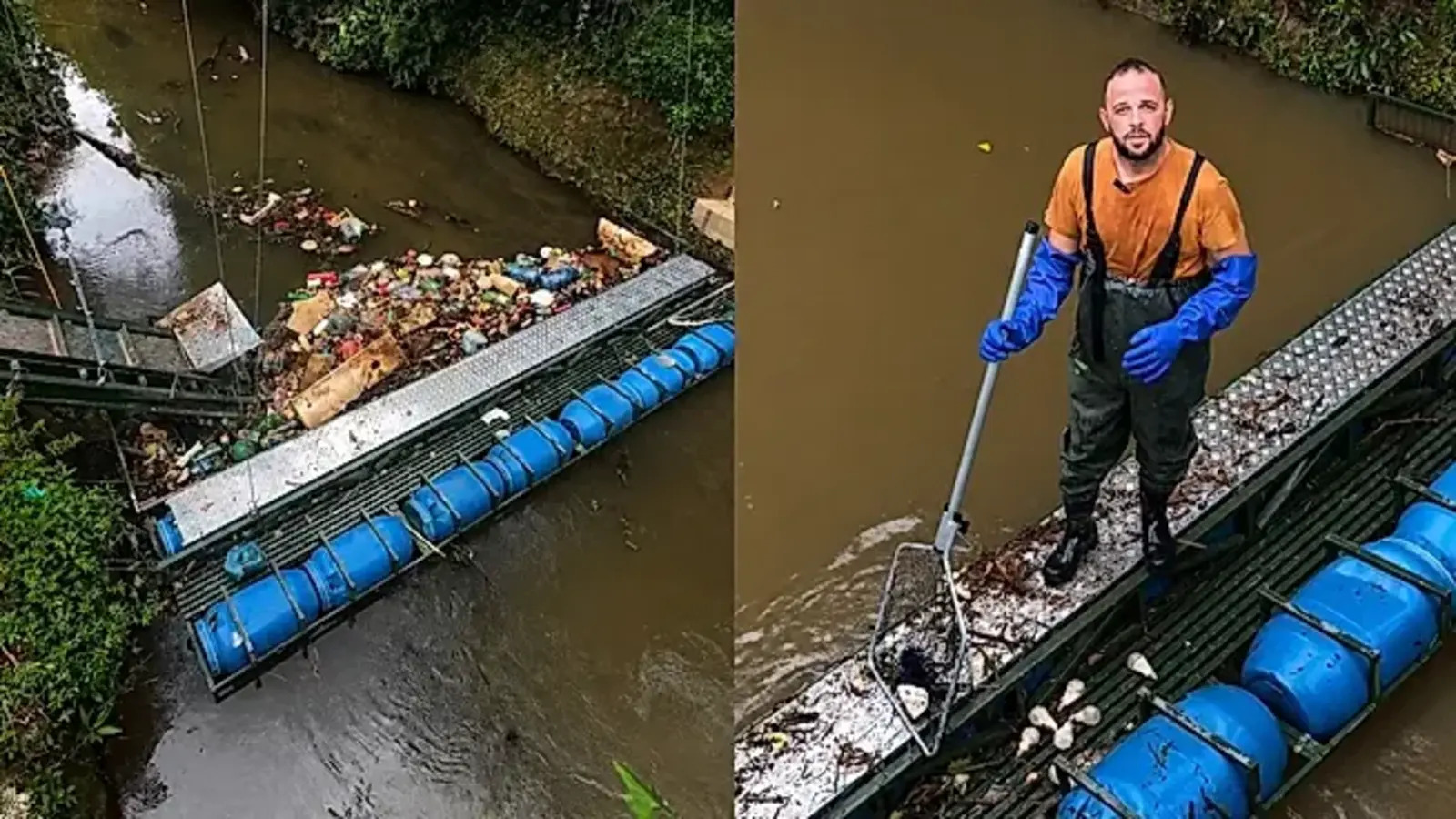
Brazilian promises his children to save a river, creates an eco-barrier in his backyard, has already removed more than 40 tons of trash from the water, and even inspires the idea in other states of the country.

-
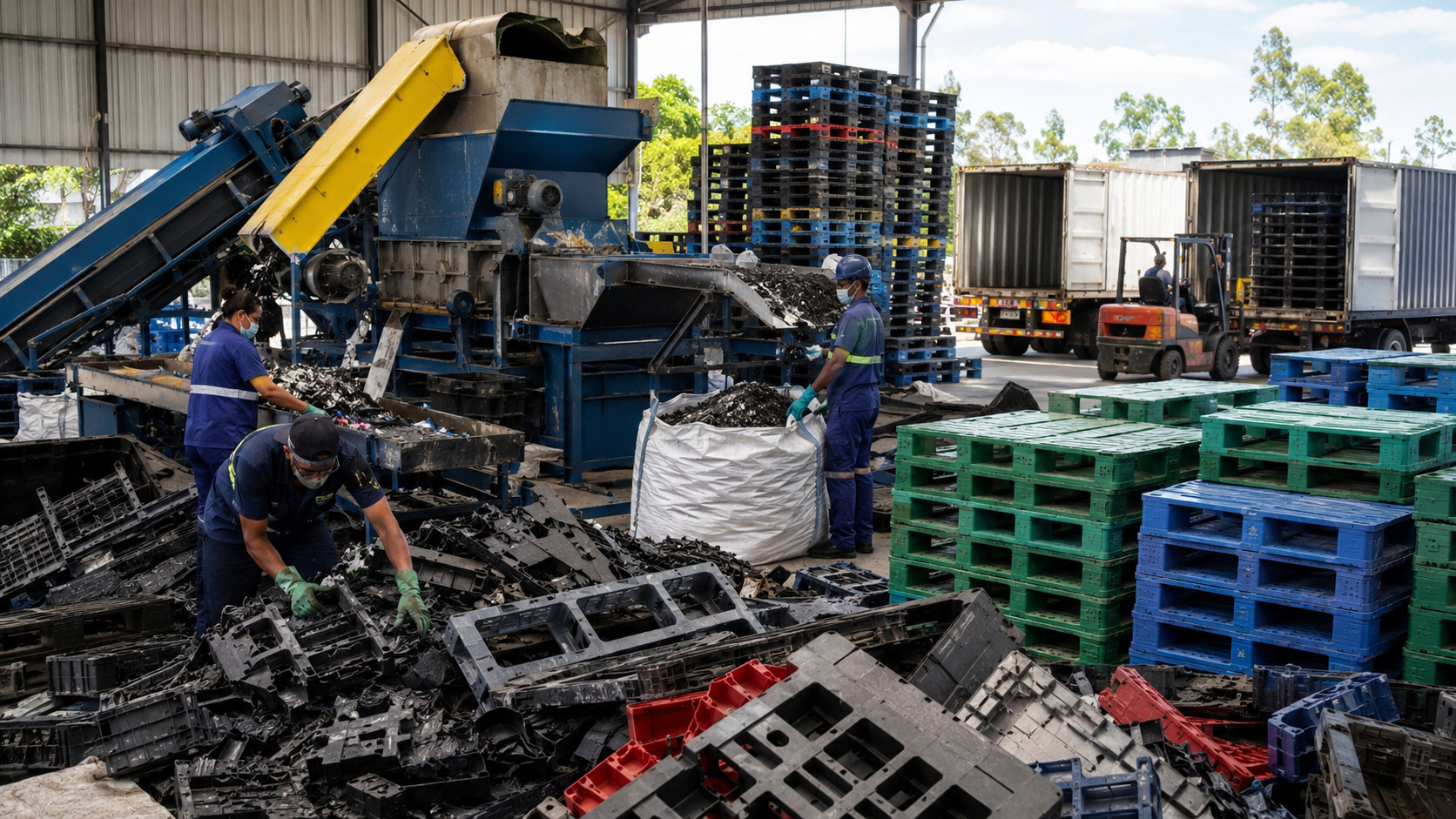
How a Brazilian company created a system that transforms broken pallets of any brand into new assets, recycles 80 tons of plastic per month, and found a profitable solution to a problem that challenges industries across the country.

-
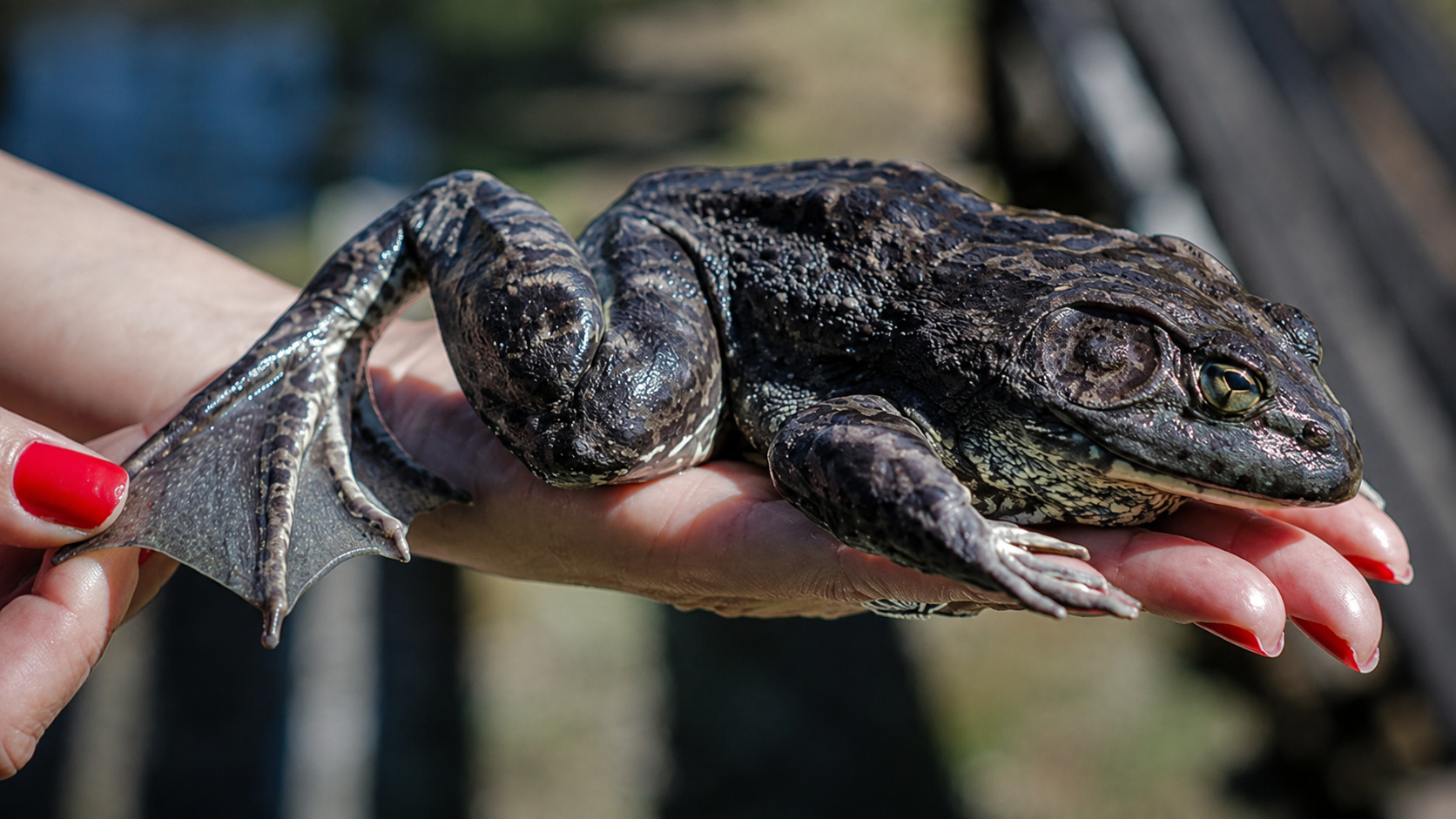
Invasive bullfrog capable of devouring other amphibians and laying up to 20,000 eggs is found in Florianópolis, raising an alert about the threat to native fauna.
-
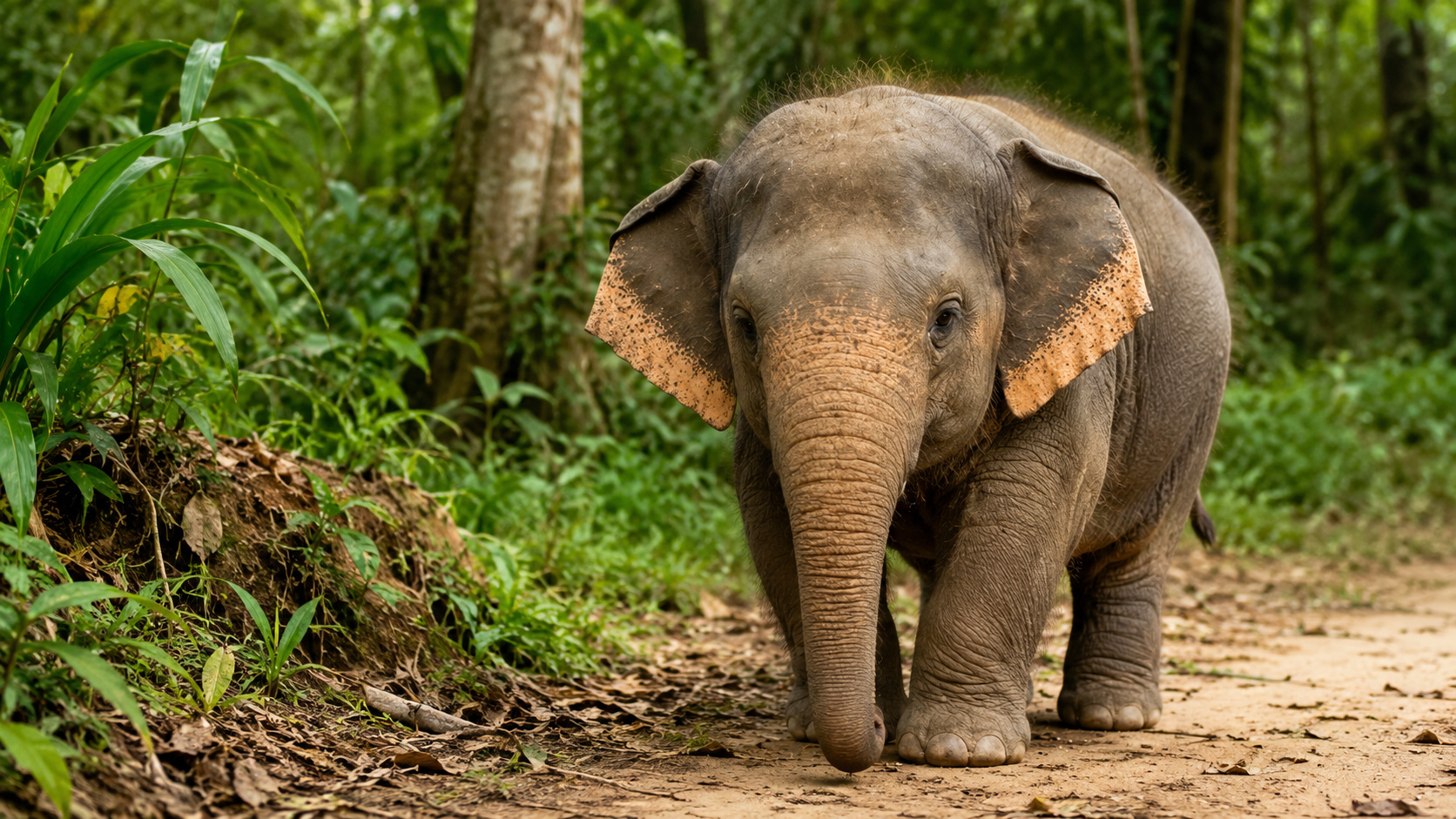
It looks like a baby, but it’s an adult: meet the Bornean pygmy elephant, the smallest elephant in the world threatened by habitat loss.
The messages received led BBC to create a map highlighting the municipalities where the problem was identified.
Reports In Almost The Whole Brazilian Coast
The reports cover 15 of the 17 states with a coastline, revealing the extent of the problem.
From Algodoal in Pará to Chuí in Rio Grande do Sul, foreign packaging has appeared in different places.
Even areas designated for environmental protection have been affected. Archipelagos and islands known for their ecological importance, such as Fernando de Noronha (PE), Ilha do Cardoso (SP), and Ilha do Mel (PR), have reported cases of pollution.
Moreover, residents have reported an increase in the number of bottles, plastics, and other waste labeled in Asian languages.
The situation worries local authorities because it affects marine ecosystems and tourism.
The Origin And Route Of The Waste
Among the objects found most frequently is the Chinese mineral water bottle Nongfu Spring.
The owner of the brand was once the richest man in China, which reinforces the notoriety of the company involved.
According to Alexander Turra, a professor at the Oceanographic Institute of USP, the problem is linked to global maritime trade.
He explains that many ships dump waste directly into the ocean to avoid port costs.
As a result, ocean currents end up transporting this waste long distances until it reaches the Brazilian coast.
An Increasing Challenge
The phenomenon reveals the international dimension of marine pollution. In addition to the environmental impact, it highlights the need for stricter enforcement and global agreements to reduce the illegal disposal of waste at sea.
With information from BBC.






Be the first to react!