






 Portuguese
  Spanish


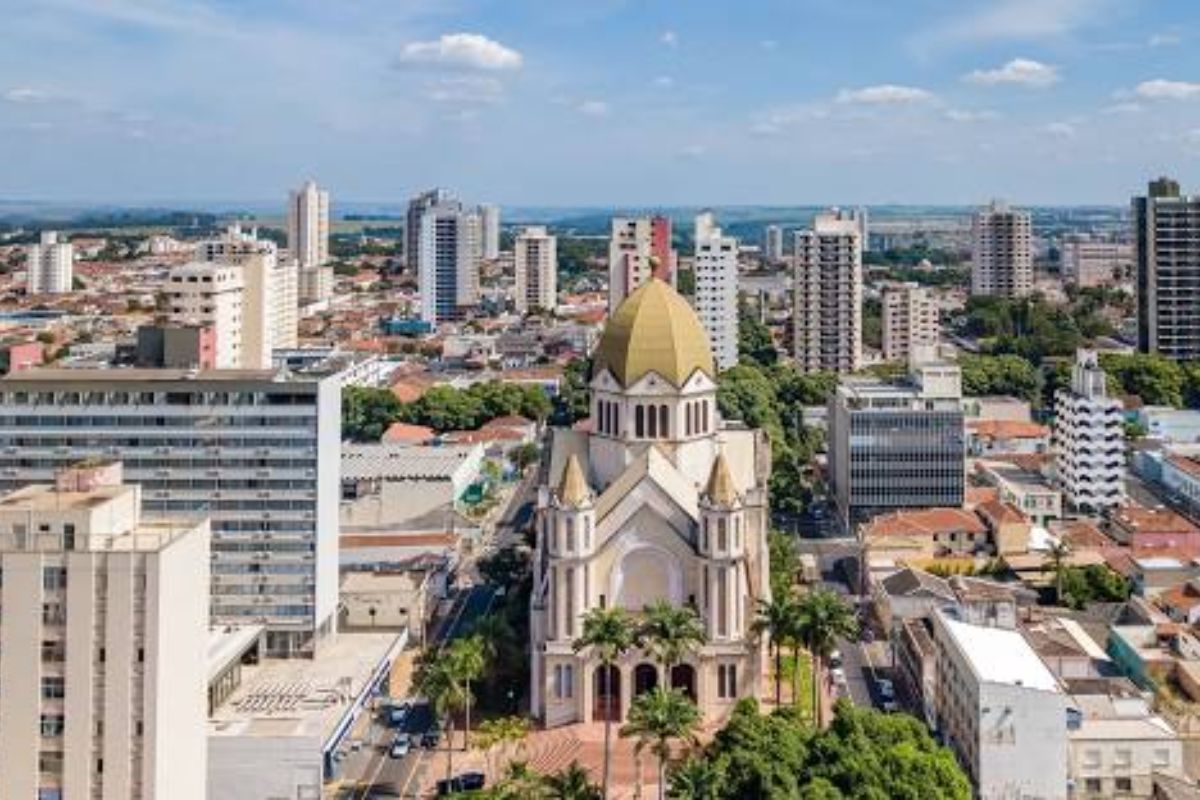


With Controlled Growth, Strategic Zoning, Anticipated Mobility, and Infrastructure Arriving Before Buildings, the City Swapped Improvisation for Organization and Became a Showcase in Brazil
For decades, Araraquara was seen as just another medium-sized city in the interior of São Paulo. Today, the scenario has changed: the municipality is cited as an example of well-executed urban planning, with direct effects on land organization, mobility, and the quality of life of its population.
The turning point did not come from a single project or a “miracle solution.” It was born from accumulated decisions, with clear rules, administrative continuity, and a simple logic that many cities ignore: plan before occupying, so as not to chase after losses when chaos is already in place.
Controlled Growth: How the City Avoided Random Expansion
The major differentiator was betting early on controlled growth. Instead of allowing the city to spread out haphazardly, the public authorities defined rules on where and how expansion could take place.
-
Bruno Guimarães, 28, Misses Crucial Penalty Against Norway in World Cup After Replacing Vinicius Jr.

-
Inspired by a school lesson on Africa’s water crisis, a young boy raised money through chores to fund a well that transformed a Ugandan community.

-
Brazilian Construction Worker Moves to France, Earns Up to €2,500 Monthly with Home Renovations, Gains Social Media Attention

-
US Navy Sinks USS Oriskany with 230 kg of C-4, Creating World’s Largest Artificial Reef in 37 Minutes





This reduces the improvisation that often marks urban growth. When a city grows without direction, disconnected neighborhoods emerge, services become distant, and costs increase to “fix” what was already occupied haphazardly. In Araraquara, the logic was to reverse this order and make the territory respond to a planned design.
Urban Zoning as Strategy, Not Bureaucracy
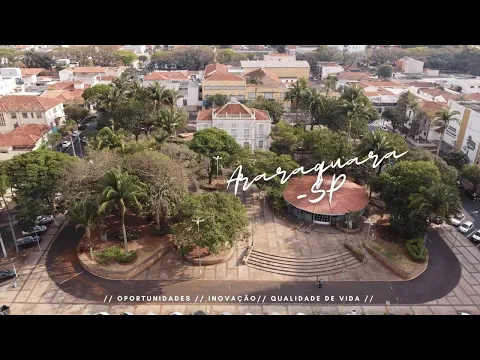

In Araraquara, urban zoning was not limited to paper. It became a real planning tool, organizing the functions of the city logically.
The rational separation between residential, commercial, and industrial areas helped to avoid common conflicts, protected environmental areas, and allowed new neighborhoods to emerge with a minimal structure already in mind. When zoning works as a strategy, the city gains predictability and reduces disputes over land use.
Mobility Designed Before Traffic Became a Problem
Unlike places that only react when congestion explodes, Araraquara worked proactively. Urban mobility was designed to distribute flows and avoid central bottlenecks, reducing pressure on the same usual corridors.
Moreover, the city invested in structured public transportation, bike lanes, and shorter distances between homes, work, and services. This set helps to decrease excessive dependence on cars, improves circulation, and makes daily life more efficient.
Infrastructure Arriving Before Buildings
Another decisive point was ensuring that infrastructure arrived before or alongside occupation. Water, sewage, energy, and road networks were planned in an integrated manner with urban growth, preventing the city from having to rush later to provide basic services to already crowded neighborhoods.
This logic reduces future costs, minimizes emergency solutions, and improves service maintenance. In the long run, it strengthens a more sustainable urban development model, with less patchwork and more efficiency.
- What Could Happen If Scale 6×1 Comes to an End? CNI Study Calculates Impact of Up to R$ 95.8 Billion in the States, Changes in Workweek from 44 to 40 Hours, and Direct Reflections on Millions of Formal Jobs in Brazil
- In 2026, Companies and Governments Adopt Circular Economy, Redesign Products to Reduce Waste, Keep Materials in Use Longer, and Turn “Disposing” into Cost and Regulatory Risk
- Chilean Company Puts R$ 27 Billion on the Table to Transform Brazil with a Mega Factory That Will Generate 12,000 Jobs, Produce 2.5 Million Tons of Pulp Per Year, and Enable a New Port Terminal of R$ 1.5 Billion for Export in RS
- Brazilian City Where 40 °C Is Routine Has Asphalt Almost Melting and Residents Reinventing Themselves with a Feels-Like Temperature Above 45 °C, 100% Air-Conditioned Buses, Humidity Below 20%, and Works Starting at 4 AM
- Man Turns Desert into Farm in 3 Months with 4 to 6 Inches of Rain Per Year and 60 Organic Crops per Hectare Under 40°C Using Deep Beds of 60 cm and Amazonian Biochar
Why Araraquara Became a Showcase for Sustainable Quality of Life
Recognition comes from a sum of consistent technical choices. The city prioritized quality of life, territorial balance, and a long-term vision, resisting pressure for chaotic growth.
Araraquara shows that urban planning in Brazil does not depend solely on size or extraordinary budgets. It depends on firm decisions and continuity in execution, with a central rule that underpins everything: plan before occupying so that the city can grow without descending into chaos.
In your opinion, what was the most decisive point for a city to succeed: firm zoning, anticipated mobility, or infrastructure arriving first?





