





 Portuguese
  English
  Spanish
  3 min of reading
  0 comments


The Theft of a Simple Bucket in 1325 Was the Spark for a Bloody War Between Bologna and Modena. The Episode, Marked by Secular Political Rivalries, Left Thousands Dead and Went Down in History as the Bucket War
Throughout European history, there are many episodes of imperial ambitions, territorial conquests, and power disputes between dynasties. However, few cases are as unusual as the so-called Bucket War, a bloody conflict between Bologna and Modena in 1325 that left around 2,000 dead. It all began with the theft of a simple wooden bucket, which became a symbol of pride and humiliation.
More than just an anecdote, this episode reveals how political and religious hatred accumulated over centuries could explode over any provocation — even for a trivial object like a bucket of water.
An Ancient Rivalry
Bologna and Modena already detested each other long before the theft. Their animosity had deep roots in the divisions of the Holy Roman Empire: the Bolognese were Guelphs, defenders of the Papacy, while the Modenese aligned with the Ghibellines, supporters of the Emperor.
-
Luxury pet market gains momentum in Paris with cafes where dogs eat croissants, gourmet desserts, and display-worthy biscuits.

-
The 2026 World Cup has barely started, and the sticker album has already become a craze with 980 stickers, 48 teams, and a cost that is alarming.
-
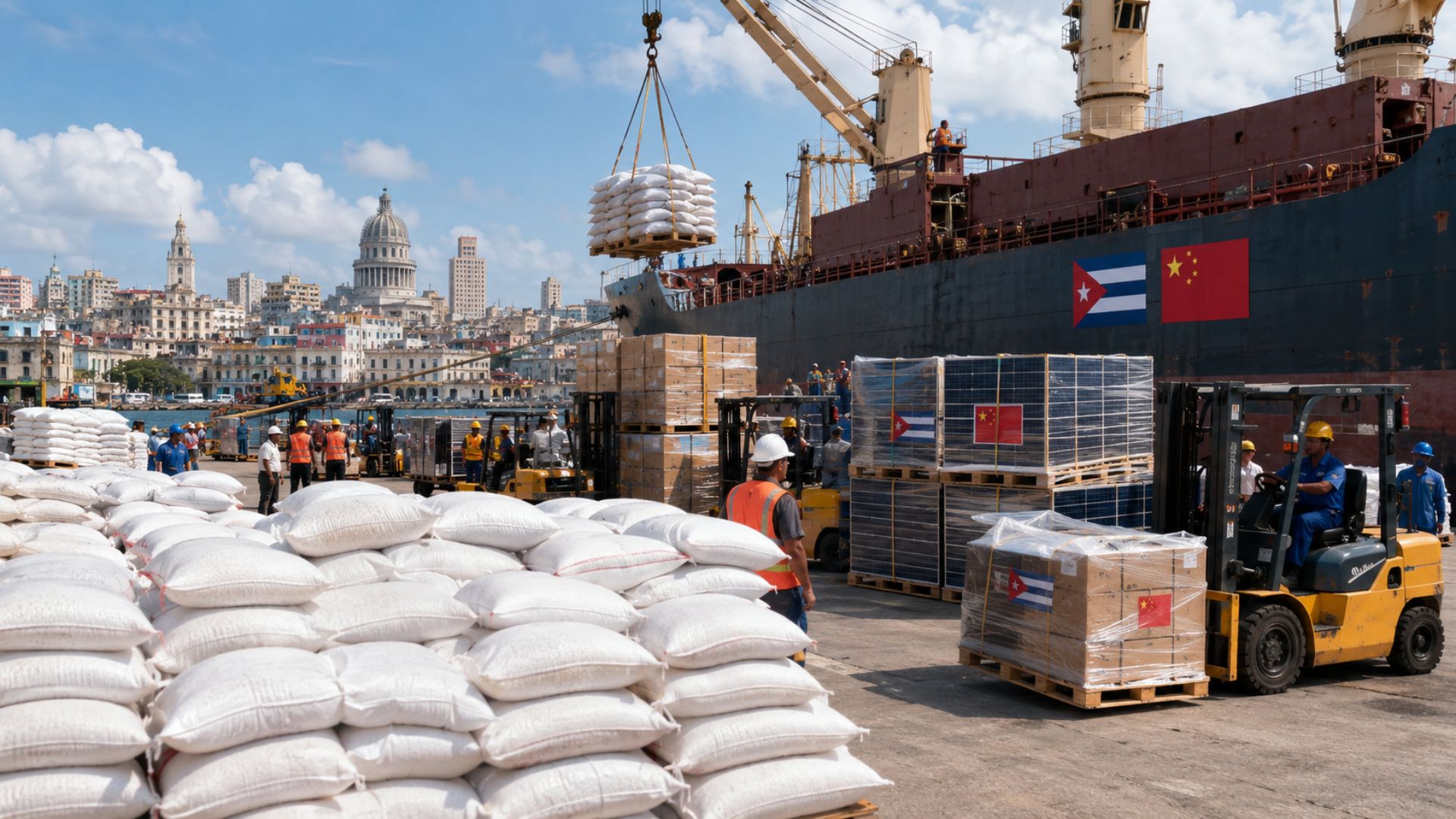
Amid the United States’ economic blockade, China delivers 15,000 tons of rice to Cuba as part of a 60,000-ton donation personally approved by Xi Jinping. The package includes 80 million dollars and solar panels for hospitals.

-
For around 200 reais, anyone can buy a kit and have a chip implanted between their fingers to replace cards, keys, badges, and even medical information in case of a hospital emergency.



For more than three centuries, both cities nurtured grudges, conspiracies, and skirmishes, always waiting for a spark to reignite the flame of violence.
The wooden bucket was merely the trigger for a historical hostility marked by politics and religion.
The Theft That Ignited the Flame
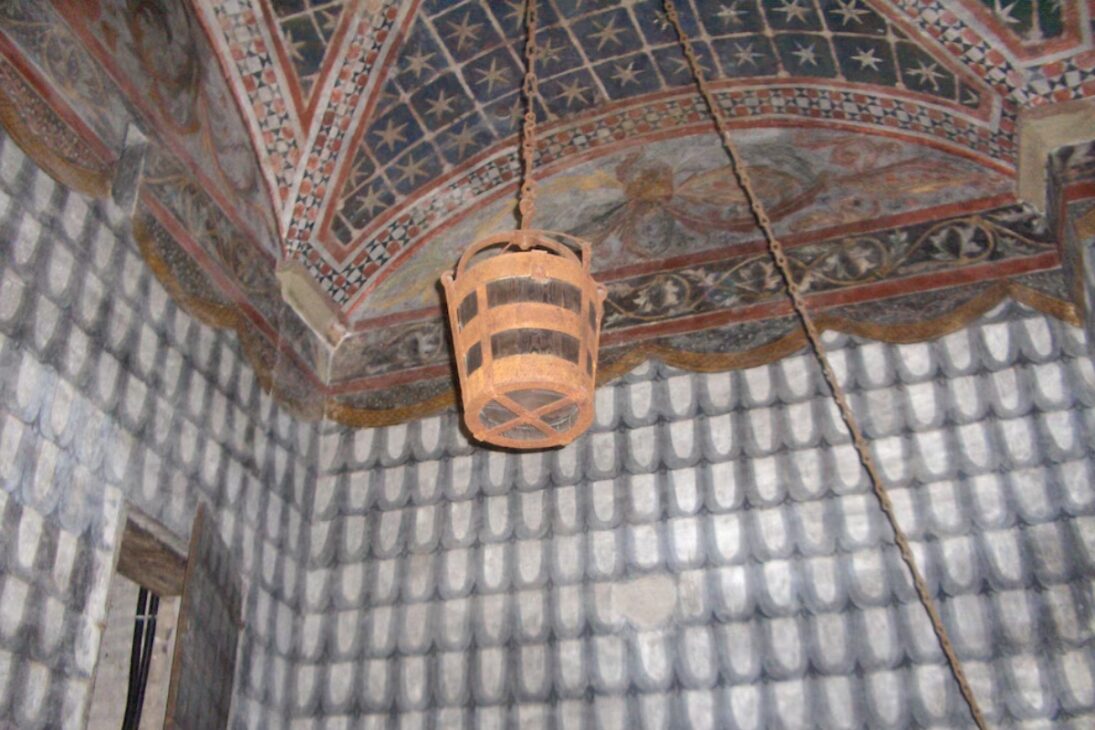
The chronicle of diplomat Giovanni Villani, written in the 14th century, recounts how a group of soldiers from Modena decided to infiltrate Bologna at night. There, they stole the oak bucket from the main well, located near the Porta di San Felice.
It was not a valuable loot, but rather a calculated gesture to humiliate the enemy.
The audacity was followed by mockery: the Modenese not only admitted the theft but also publicly bragged about it, provoking Bologna’s wrath. The Bolognese authorities demanded the immediate return of the object, but Modena refused amidst laughter.
What could have remained a simple provocation turned into an intolerable offense to Bolognese pride.
The War for a Bucket
Within days, military preparations became inevitable. Bologna mobilized a force of around 30,000 men, largely composed of mercenaries under the command of a condottiero, an expert in fighting for payment rather than loyalty.
Modena, with only 7,000 fighters, gathered feudal forces, urban militias, archers, and knights. Although numerically inferior, the army was better organized and cohesive.
The clash occurred in November 1325. According to historical records, the battle was fierce and ended with the crushing defeat of Bologna, whose men were pursued to the city gates.
In the end, around 2,000 people lost their lives in the name of a bucket of water.
The Trophy of Victory
The Modenese victory did not go unheard. The wooden bucket was displayed as a banner, held upside down as a sign of contempt, and placed in the Palazzo Comunale of Modena, where a glass urn still preserves a replica today.
Over time, the object ceased to be merely a source of mockery and became a tourist and historical symbol of the city.
Between Farce and Tragedy
The episode was soon immortalized in literature. The poet Alessandro Tassoni turned it into satire in his work La secchia rapita (“The Stolen Bucket”), which later also inspired a comic opera with music by Antonio Salieri.
Thus, the absurd dispute entered collective memory, blending irony, tragedy, and myth.
But historians remember: the bucket was just an excuse. That same year, Bologna had already attacked Modenese territories, pillaging villages and fields. The theft of the bucket was merely the spark that ignited a powder keg full of accumulated hatred.
An Absurd but Revealing Episode
The Bucket War remains one of the most unusual and bloody examples of how pride, rivalry, and political divisions can drag entire cities into violence.
What began as a provocation ended in a carnage that still impresses with the absurdity of its origin.







-

-

2 people reacted to this.