Portuguese
  Spanish




In A World Where Vehicle Robustness Is Crucial, The Crankshafts Of The Amarok 2.0 Biturbo Diesel, Hilux 3.0 Turbo, And Ram 5.9 Or 6.7 Face Intense Comparisons. Automotive Industry Experts, Júlio Frison And Carlos Faccini, Reveal Significant Differences That Directly Influence The Durability And Performance Of These Popular Pickup Models.
In An Analysis, The Comparison Of The Crankshafts Of These Three Vehicles Reveals Much About Their Capabilities And Limitations. The Amarok 2.0, Known For Its Powerful Engine And Durability Issues After 100,000 Km, Contrasts With The Hilux 3.0, Whose Reputation For Reliability And Resistance To Failures Is Remarkable. The Ram, With A Similar Crankshaft In Its 5.9 And 6.7 Models, Presents A Challenge In Terms Of Resistance, But Shares Certain Vulnerabilities With The Amarok.
Júlio Frison, With Experience In Over 3,000 Engine Interventions Per Month, And Carlos Faccini, A Notable Figure In The Workshops Of Rio, Shine A Light On The Reality Faced In The Rebuilds. They Discuss How The Choice Of Crankshaft Can Affect Engine Longevity And The Frequency Of Necessary Maintenance, Highlighting That Not All Crankshafts Are Created Equal.
Crankshaft Of The Amarok 2.0 Biturbo Diesel Has Less Resistance


The Crankshaft Of The Amarok 2.0 Biturbo Diesel Has Less Resistance Compared To The Other Two Models, Which Is A Point Of Attention. Usually, These Crankshafts Begin To Exhibit Failures After Reaching Approximately 100,000 Km. This Premature Wear Not Only Requires Frequent Maintenance But Also Involves High Costs Due To The Difficulty Of Finding Replacement Parts.
-
2019 Kia Sportage EX: A Spacious and Cost-Effective SUV with 2.0 Flex Engine and Panoramic Roof

-
Fiat Strada Becomes Top Seller in June, Surpassing Onix, Polo, Hilux, and T-Cross with 107 HP Engine and 732 km Range.

-
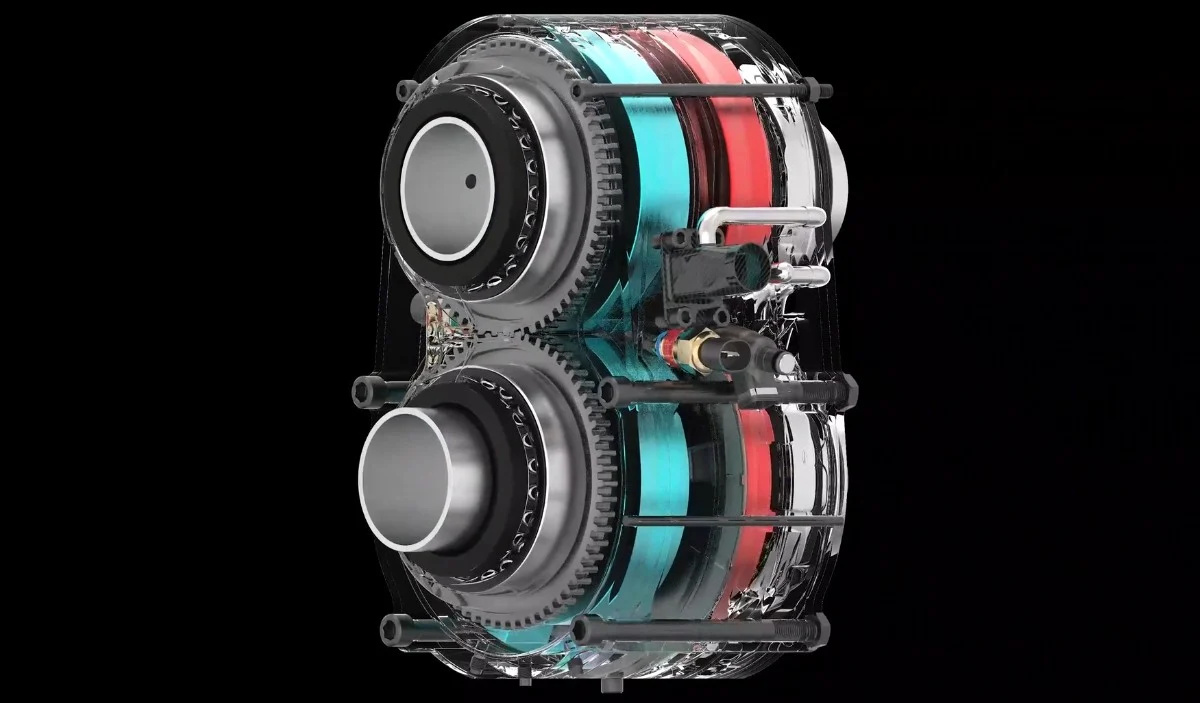
Suitcase-sized hydrogen engine spins at 25,000 rpm, nearly doubling the efficiency of conventional cars and replacing exhaust smoke with water vapor

-
1983 Chevrolet Runs Over 100,000 km Without Gasoline, Powered by Wood Chips, Reaches 125 km/h in Airport Test



Crankshaft Of The Hilux 3.0 Turbo Is Known For Its Exceptional Robustness
On The Other Hand, The Crankshaft Of The Hilux 3.0 Turbo Is Known For Its Exceptional Robustness. The Rarity Of Problems Related To This Component Significantly Contributes To The Hilux’s Fame Of Durability. This Results In Lower Maintenance Costs, As It Rarely Requires Significant Repairs.
Crankshaft Of The Ram, Available In The 5.9 And 6.7 Models, Offers Intermediate Durability
Between These Two Extremes, The Crankshaft Of The Ram, Available In The 5.9 And 6.7 Models, Offers Intermediate Durability. Although It Is More Resistant Than The Amarok’s, It Does Not Reach The Resistance Standard Of The Hilux. Ram Owners Can Expect A Maintenance Frequency And Costs That Are In Between The Two Other Models.
According To Júlio Frison And Carlos Faccini, Understanding The Specifications Of The Crankshaft Is Essential To Predict Future Maintenance Frequency And Costs. While The Hilux Leads With Its Superior Reliability, The Amarok Requires A Greater Investment In Maintenance, And The Ram Positions Itself As A Middle Ground Option.
When Evaluating Which Pickup Truck To Buy, Looking Beyond Price And Design To Key Components Such As The Crankshaft Can Reveal Much About What To Expect In Terms Of Long-Term Performance. Choosing The Model With The Most Robust Component May Mean Fewer Visits To The Workshop And Significant Savings On Maintenance.