Portuguese
  Spanish


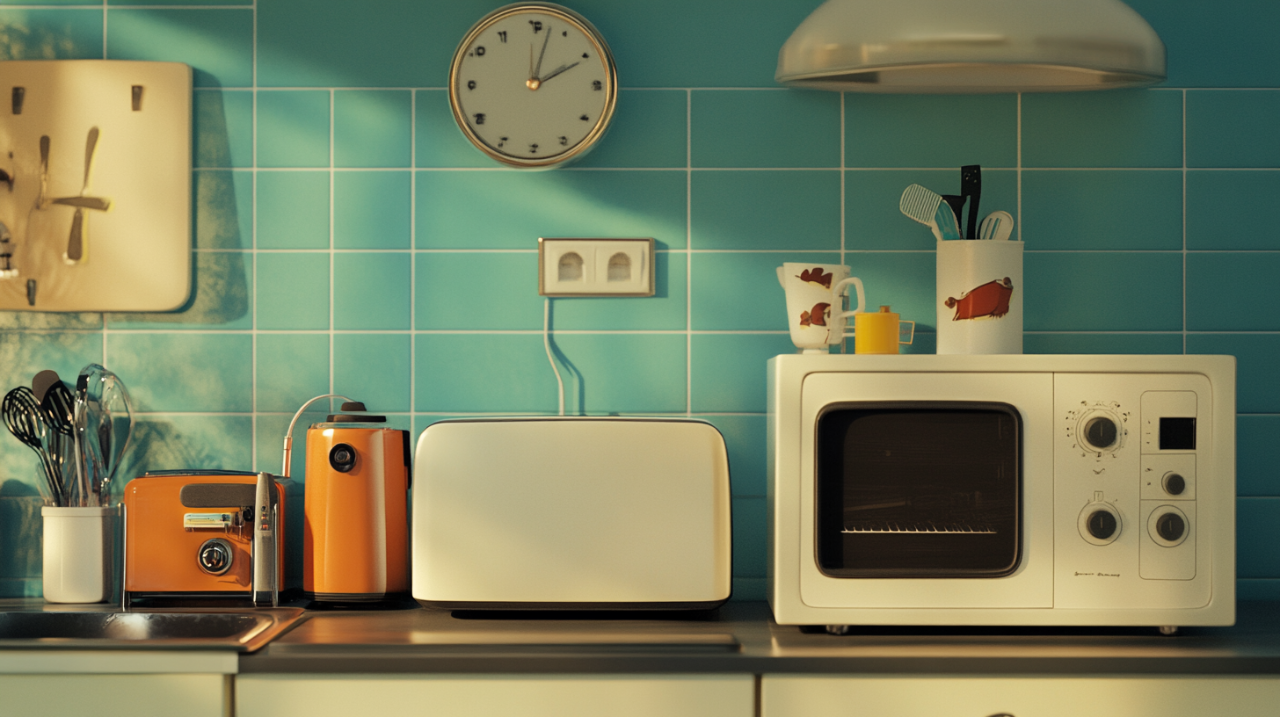


Learn Effective Strategies To Reduce Electricity Consumption At Home And Promote A More Sustainable And Economic Environment
Saving electricity is an increasingly relevant concern in many households, especially in Brazil, where tariffs can significantly impact the household budget, according to the site concursosnobrasil.
One of the most practical and effective solutions to reduce the electricity bill is to unplug certain appliances when they are not in use.
This is because many devices continue to consume energy in standby mode, accumulating an invisible yet real expenditure over time.
-
Nigerian Startup Converts Discarded Laptop Batteries and Broken TV Screens into Solar Lanterns for Off-Grid Areas

-
Young Innovators from Brazil Develop BioLuz: Generating Electricity from Plant Roots and Soil Microorganisms Using PET Bottles, Copper, and Zinc

-
Compact and Retro: Transparent Pocket Camera Weighs 65 Grams, Records in 4 Formats, and Costs 199 Yuan
-
Bioengineer Develops Microscope That Magnifies Objects Up to 2,000 Times Using Just a Folded Sheet of Paper, a Tiny Lens, and Less Than $1, Bringing Lab Science Anywhere for Less Than the Cost of a Candy




Appliances That Consume Energy Even When Off
Television: The television, present in almost every household, is one of the main villains of energy consumption. Even when it’s turned off, if plugged in, it continues to consume energy to maintain its standby functions, such as the remote control sensor.
To avoid this waste, unplug it when not in use.
Additionally, consider using a power strip with an off button, which makes it easy to disconnect multiple devices at the same time, such as video game consoles and sound systems.
Microwave: This is an essential appliance in many kitchens, known for its efficiency in heating food.
However, the digital display and clock continuously consume energy. Unplugging it after use can lead to noticeable savings on your electricity bill.
Furthermore, this practice helps extend the lifespan of the appliance by preventing constant wear on the electronic components.
Air Conditioner: The air conditioner is one of the largest consumers of energy in homes, especially in warm climate regions.
To save, it is crucial to turn it off completely and unplug it when not in use.
Investing in more efficient models, with high energy efficiency ratings, and using features such as timers and energy-saving modes can also help reduce costs.
Computer: Computers and laptops are devices that consume a significant amount of energy, especially if left in standby or hibernation mode.
Completely shutting them down and unplugging them when not in use can lead to substantial long-term savings.
Moreover, it’s important to remember to turn off monitors, printers, and other peripherals that may be connected.
Cell Phone and Laptop Chargers: Often forgotten in the outlet, chargers continue to consume energy even without devices connected.
This consumption, known as “phantom load”, can be avoided simply by unplugging them after use.
This not only saves energy, but also helps extend the life of the chargers by preventing unnecessary overloads and heating.
Additional Strategies To Reduce Energy Consumption
In addition to unplugging the mentioned devices, there are other practices that can be implemented to maximize energy savings:
Utilizing Natural Light: Whenever possible, keep curtains and windows open to use natural light during the day, avoiding the use of artificial lights.
This not only reduces energy consumption but also enhances well-being by promoting a more pleasant and naturally lit environment.
Replacing Bulbs: Replace incandescent or fluorescent bulbs with LED bulbs, which are significantly more efficient and have a longer lifespan.
Although the initial investment may be higher, the long-term savings make it worthwhile.
Conscious Usage Habits: Develop the habit of turning off lights when leaving a room, even if it’s just for a few minutes.
This simple practice can lead to considerable savings over time.
Conscious Purchase of Appliances: When buying new appliances, choose models that have the energy efficiency label, designed to consume less energy without compromising performance.
Efficient Use of Water Heaters: Reduce shower time and avoid very hot water temperatures.
Consider installing solar heaters, which can significantly reduce electricity consumption.
Fridge and Freezer Maintenance: Avoid keeping the refrigerator door open for long periods, as this forces the appliance to work harder to maintain internal temperature, increasing energy consumption.
Periodically check the sealing rubber to ensure it is sealing properly.
Washing Clothes: Accumulate a suitable amount of clothes before using the washer and dryer.
Whenever possible, use the sun to dry clothes, avoiding the constant use of these appliances.
The Environmental Impact Of Conscious Energy Consumption
Besides your personal finances, saving electricity has a significant impact on the environment.
Reducing energy consumption decreases the demand for non-renewable energy sources, such as coal and oil, which are major contributors to greenhouse gas emissions.
By adopting conscious consumption practices, you contribute to reducing the carbon footprint and help mitigate the effects of climate change.
Encourage Family And Friends To Adopt Sustainable Habits
Changing habits shouldn’t be an individual effort. Encourage your family and friends to adopt sustainable energy consumption practices.
Share information on how small actions can lead to significant savings and a positive environmental impact.
Organize energy-saving challenges at home or in the community and celebrate collective achievements, creating a larger movement towards a more sustainable future.
By implementing these tips, you will not only reduce your electricity bill, but also contribute to environmental preservation by adopting sustainable practices that reduce electricity consumption.
By becoming aware of consumption habits and making small changes, it is possible to achieve significant savings and promote a more sustainable lifestyle.