Portuguese
  Spanish


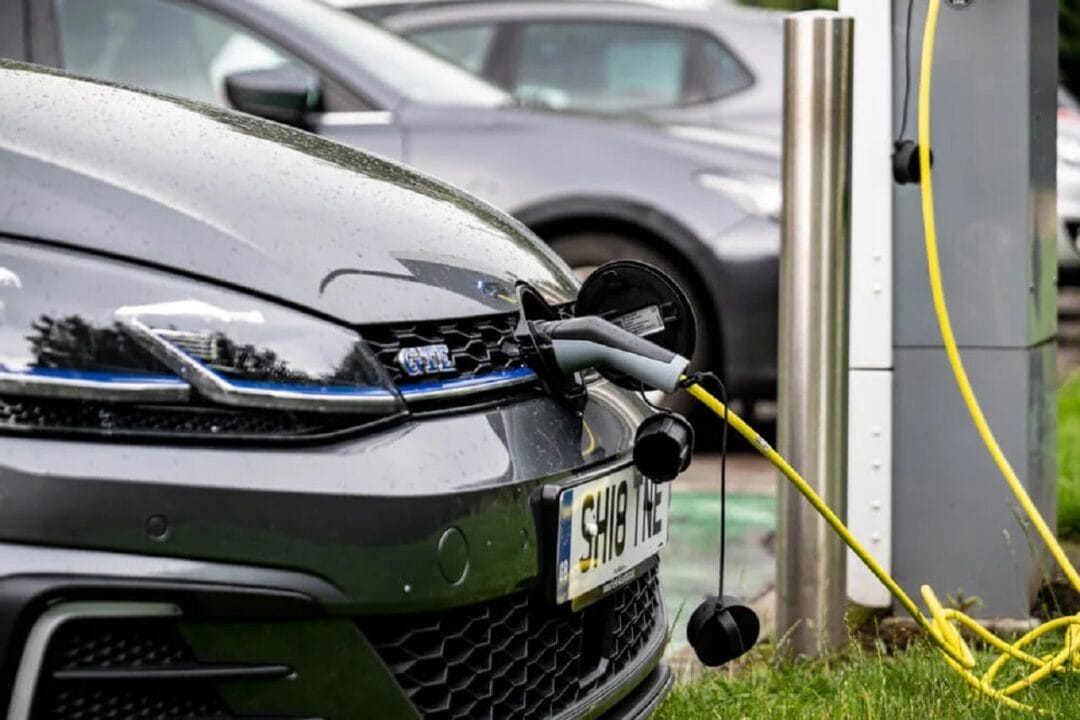

Company Stands Out in Germany for Converting Combustion Cars to Electric in Just 8 Hours, Offering Up to 300 km of Range in Converted Vehicles.
With the growing popularity of electric cars in the market, there is still a significant challenge in terms of cost, making them unaffordable for many consumers. To meet those seeking a more economical alternative to purchasing zero-emission models, the German startup e-Revolt is introducing an innovative solution: conversion kits that transform combustion cars into electric ones at more accessible prices.
Conversion of Combustion Car Costs R$ 64 Thousand
More important than the price is the speed promised by the company. It takes just 8 hours for installation, much less than the weeks or months required by other companies. To achieve such a rapid conversion process for combustion cars, e-Revolt has adopted its own production line solutions and components.
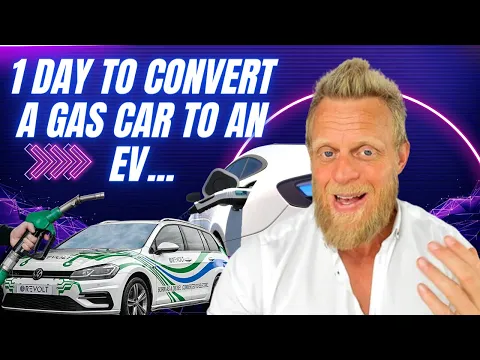

The new structure of the motor and batteries is supported on the model’s own chassis. A new electronic control module is also installed, alongside a control screen for the propulsion systems and the charging plug. The work requires a minimum of eight hours, but it can take up to a day.
-
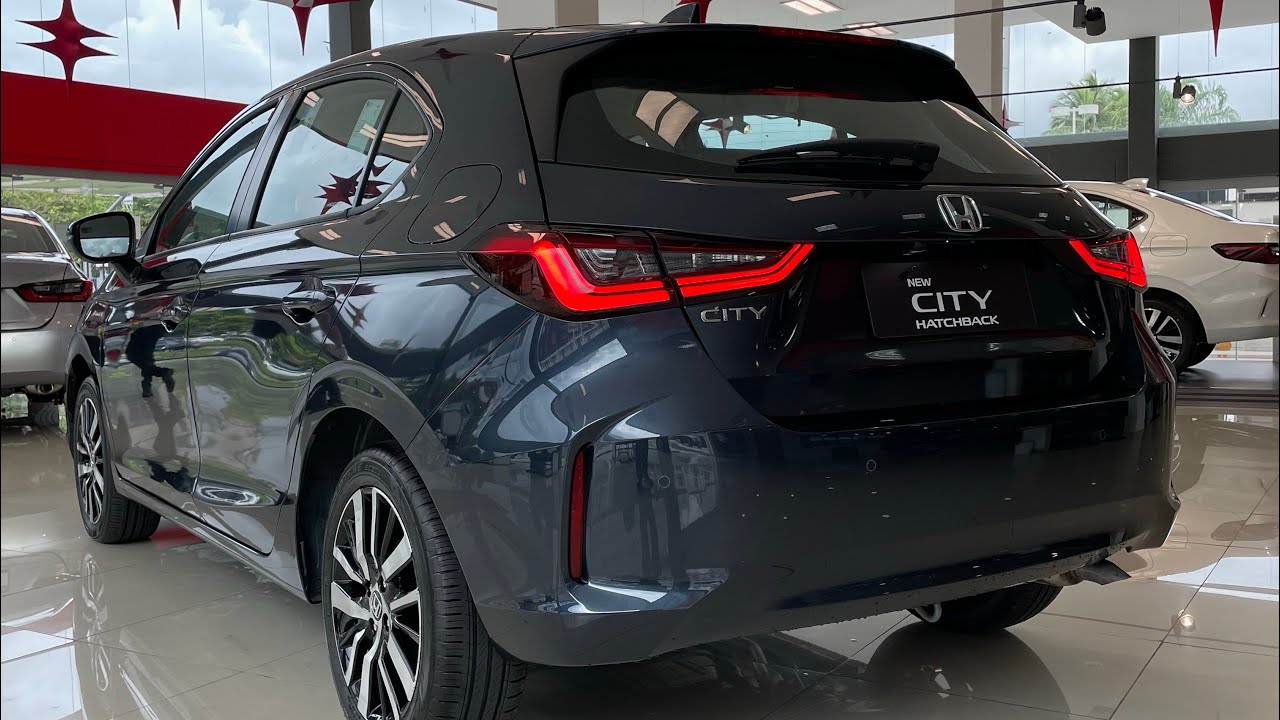
Hatch with sedan space and 1.0 car consumption: equipped with a 1.5 engine with 126 hp, CVT transmission with seven simulated gears, and consumption of up to 17.4 km/l, this used Honda delivers technology, comfort, and reliability; meet the 2022 Honda City Hatch Touring.

-
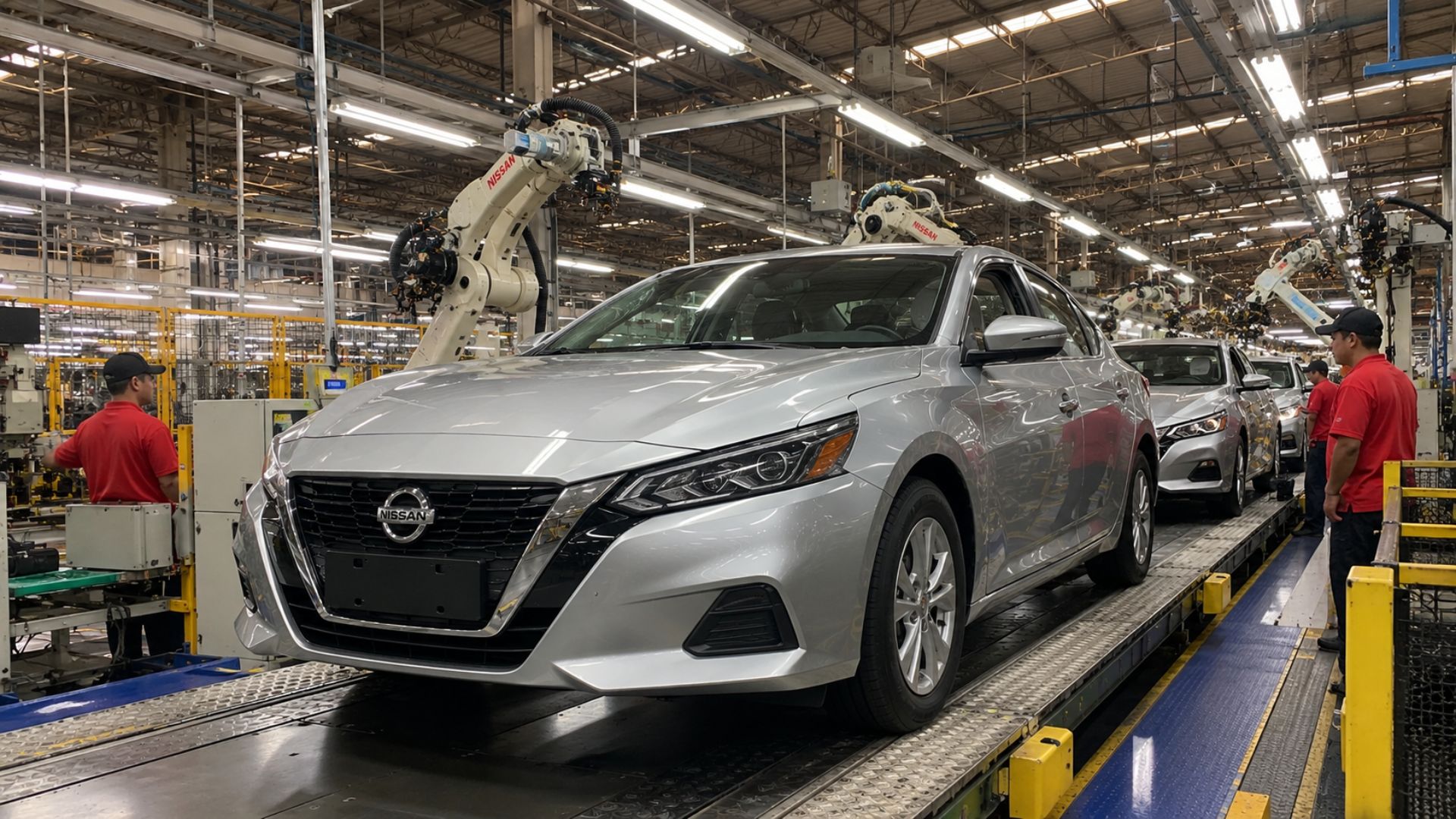
End of an era in Brazil: beloved sedan by Brazilians is discontinued despite having a 2.0 engine with 151 hp, CVT transmission, 466-liter trunk, and up to 650 km of range.

-
New Law Proposal in Brazil Could Heavily Penalize Drivers: Dangerous Overtaking May Become a Serious Offense with Fines Increased Tenfold and a 12-Month License Suspension; Update on 2026 Progress

-
Electric Revolution: Watts W125 Motorcycle Offers 160 km Range, 90 km/h Speed, and Affordable Price Starting at $3,000


Still, this is much less than the average required by competitors. The service to transform ordinary vehicles into electric cars costs between 12 and 15 thousand euros, which in direct conversion is equivalent to R$ 64 thousand and R$ 85 thousand, respectively.
With an estimated manufacturing start by 2025, combustion car conversion kits will be offered for 42 different models. Having the same platform facilitates the work for some cars. The first model to undergo the process is the Volkswagen Golf 7, produced from 2012 to 2019. e-Revolt claims it can perform the service on other vehicles, as the solutions are modular.
Range of Electric Cars Can Reach 300 km
For now, the company has not released performance or engine data, limiting itself to providing information on range. The range of converted combustion cars can be between 250 and 300 km. The company also highlights that around 80% of the cars used are repurposed, a trend that reinforces the concept of circular economy, as it does not require the purchase of something new, just the reuse of a vehicle that has already been built.
A study released by the Association of German Engineers (VDI) for vehicle and traffic technology shows that an electric model has 26% less pollution than a combustion counterpart; however, its “debt” is only paid off after 90,000 km. Only after that does the zero-emission advantage begin to apply.
Other Initiatives to Promote the Advancement of Electric Cars
In addition to this German company that performs the conversion of combustion cars to electric, the government of France has developed a unique initiative aimed at popularizing electric vehicles in the country. This is a program to subsidize rental costs.
The initiative is available for people earning less than the minimum wage in the country. Some French automakers have already joined the program and are offering vehicles at prices starting from 40 euros per month, equivalent to R$ 214.
No down payment is required, and deliveries will begin on January 1 of next year. This is a lower amount than what was announced by President Emmanuel Macron in October of last year when the plan was revealed. The original goal was to offer payments of 100 euros per month for low-income drivers, an amount equivalent to R$ 535 per month.