Portuguese
  Spanish


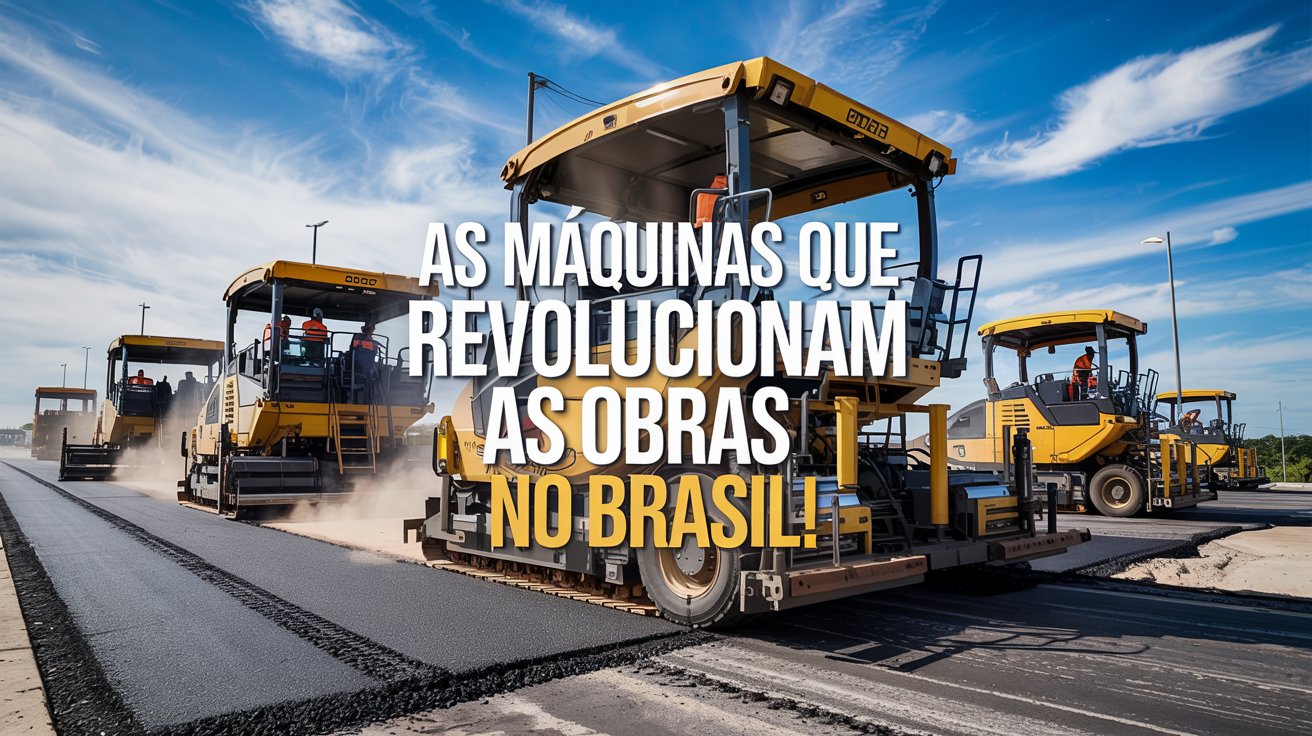

Heavy And Technological Machines Transform The Paving Process In Brazil, Guaranteeing Greater Efficiency, Less Rework And Higher Quality In Works. Innovative Equipment Acts In Every Stage, Promoting Lasting And More Sustainable Results For National Civil Engineering.
In Brazil, the transformation of paving works is becoming increasingly technological and precise, thanks to robust and specialized machines that raise the standard of civil engineering.
According to updated data from May 2025, these powerful and multifunctional machines are responsible for speeding up deadlines, reducing errors, and lowering costs, ensuring more durable results on roads, airports, and urban streets.
The paving process is not just about applying asphalt: it depends on a series of complex stages that involve technical analysis, soil preparation, correct application of materials, and efficient compaction.
-
18-Year-Old Student Designs Modular Microhouse from Fiberglass and PET to Combat Homelessness in Brazil, Plans to Live in Prototype for a Year to Demonstrate Quick Assembly

-
The Frenchman Who Brought the World Cup to Life: Overcoming Resistance and Crossing the Atlantic with the Trophy to Create Football’s Biggest Tournament

-
Archaeologists Reexamine 4,500-Year-Old Tombs in Ancient Mesopotamia, Suggesting Some Early Kings May Have Been Powerful Women
-
The North Face Co-Founder Donates Vast South American Lands to Create National Parks in Patagonia, Turning Private Wealth into Environmental Legacy



According to specialists in civil engineering, the proper choice of equipment is crucial to avoid rework, waste, and delays, common issues that compromise the final quality of the works.
Among the 11 essential machines for paving, those that act from land preparation to final finishing stand out, all equipped with technologies that optimize work and ensure uniformity and resistance of the applied layers.
What Makes The Paving Process So Efficient?
The secret lies in respecting five main phases: detailed planning, which involves soil study, traffic, and drainage; base preparation through leveling and compaction; controlled application of asphalt mixtures and aggregates; precise leveling adjustments; and finally, compression to ensure the pavement’s stability and durability.
Each stage depends on the operation of specific equipment, which together form a productive chain essential for the success of the works.
The Machines That Transform The Pavement In Brazil
1. Compactor
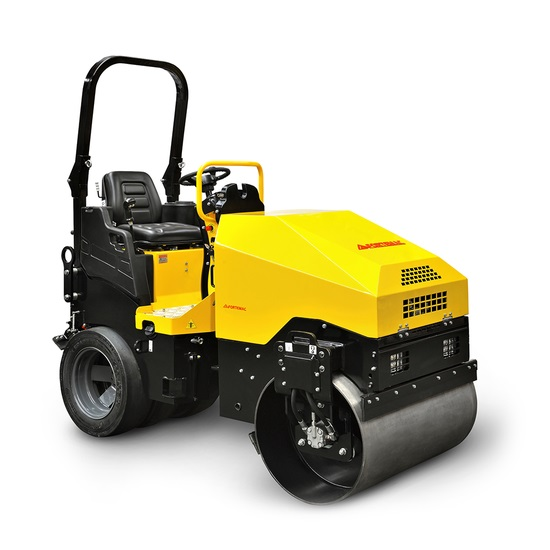
This is the equipment that guarantees the necessary density of soil, asphalt, or concrete.
With several versions — such as the smooth roller, ideal for leveled surfaces, and the sheep’s foot roller, used in clayey soils — it prevents cracks and sinkholes, providing solid bases for the subsequent layers.
2. Paver
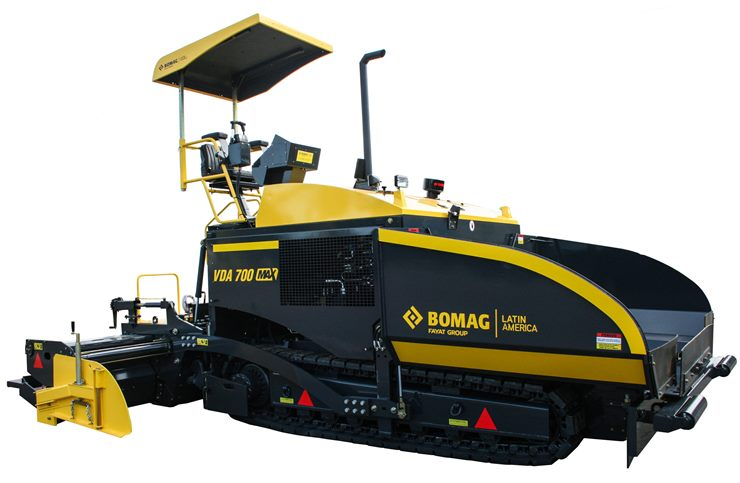
Known as an asphalt paver, this machine levels, applies, and pre-compacts the asphalt concrete with precision.
Modern equipment features an automatic leveling system and heating to maintain the temperature of the asphalt mix, essential factors to ensure the uniformity of highways, airports, and large parking lots.
3. Asphalt Milling Machine
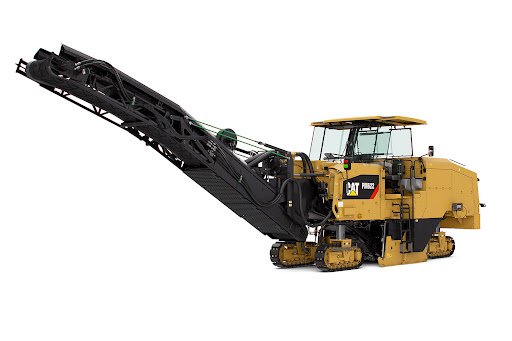
Responsible for removing the damaged layer of pavement, the milling machine uses a rotating drum with cutting teeth that scrape the old asphalt, preparing the ground for the application of a new layer.
Furthermore, this material can be crushed and recycled, making the process more sustainable.
4. Loader
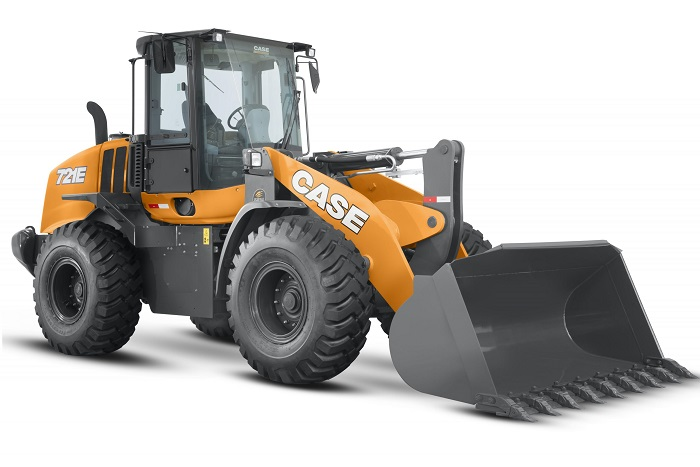
This versatile machine operates in several phases, from transporting sand and debris to feeding other equipment, cleaning the site, and moving heavy loads, being essential for the logistics of the works.
5. Hydraulic Excavator
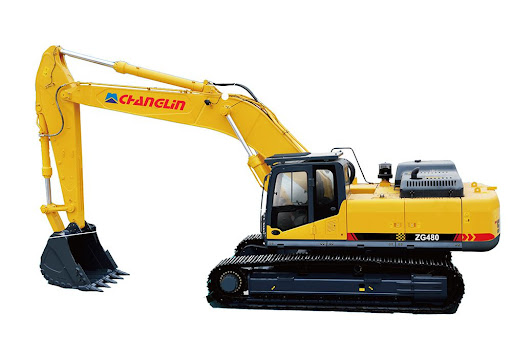
Multifunctional and essential for land preparation, the excavator performs excavations of trenches and drainage channels, removing obstacles that could compromise soil stability and water drainage efficiency, protecting against erosion.
6. Grader
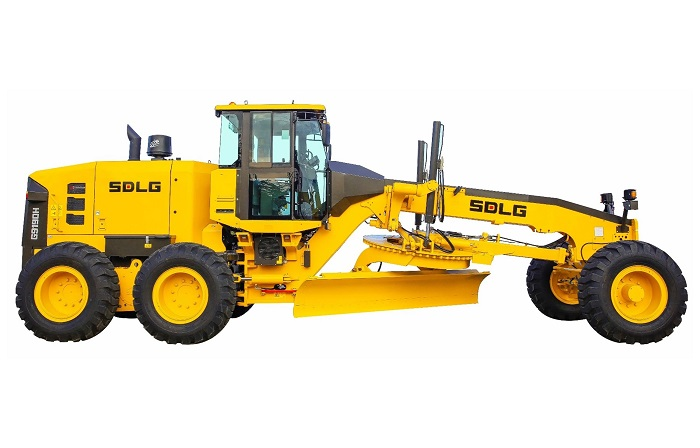
Nicknamed “the perfect level for asphalt,” the grader is responsible for leveling and aligning the ground before paving.
Its adjustable blade corrects irregularities and prepares a homogeneous base, essential for ensuring the quality of the upper layers.
7. Tank Truck (Distributor)
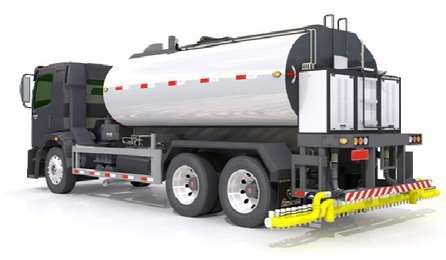
Essential in the application of asphalt emulsions, the tank truck heats and distributes the bituminous binder over the ground, promoting the adherence of the layers and preventing infiltrations that could compromise the durability of the pavement.
8. Aggregate Distributor
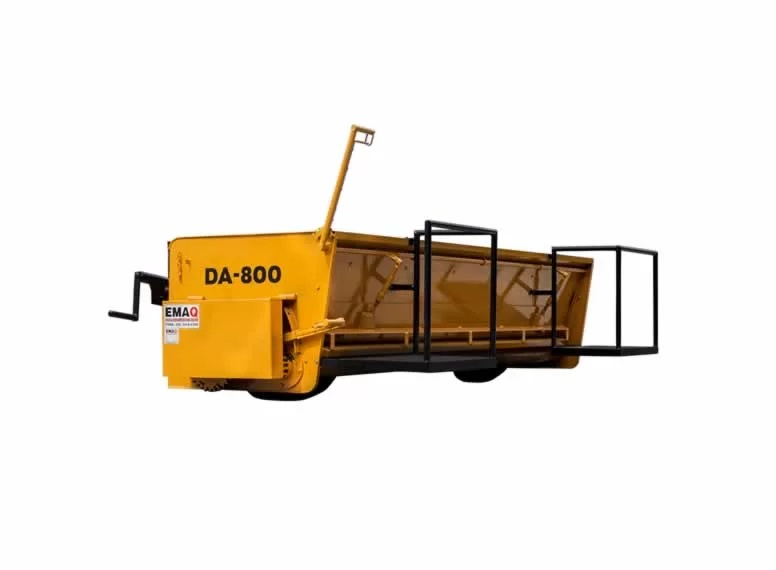
This equipment evenly spreads stones and aggregates over the base, creating a stable layer that supports vehicle weight and facilitates drainage, a crucial step to avoid deformations and ensure the longevity of the road.
9. Asphalt Recycler
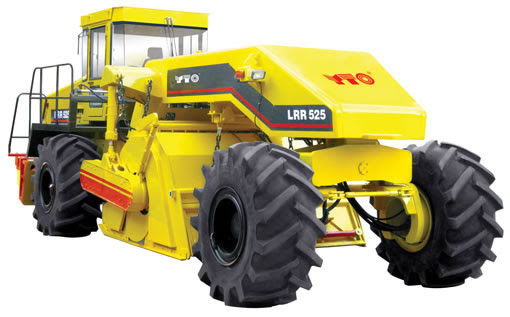
Similar to the milling machine, the recycler goes further: it crushes the old asphalt, adds additives, and prepares the material for reuse, contributing significantly to the sustainability and economy of the works by reducing waste and the consumption of new raw material.
10. Caterpillar Tractor
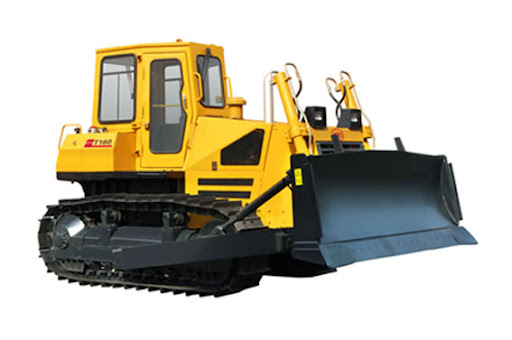
Equipped with robust blades, this tractor performs large earth movements, leveling the terrain and correcting unevenness to create an ideal base that will support the subsequent layers of paving.
11. Mini Loader
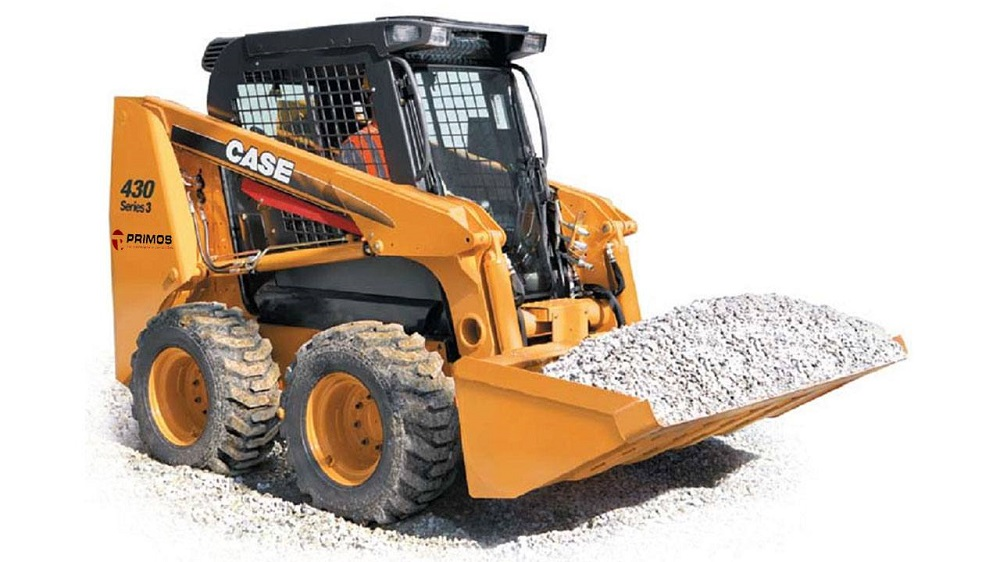
Compact and agile, the mini loader provides support in reduced spaces, performing small loads, cleaning with hydraulic broom, and assisting in the maintenance and finishing of the work, being an indispensable ally in difficult-to-access environments.
These innovations in paving reflect the advancement of civil engineering in Brazil, which increasingly seeks intelligent, sustainable works with high technical standards, responding to the growing demand for robust and reliable infrastructure.
Did you already know the impact of these machines on civil engineering? Which one do you think has the greatest potential to transform works in Brazil? Share your opinion!